
Balancing Facial Features with Structural Fat Grafting
Facial volume loss contributes to an aged or asymmetrical appearance. Structural fat grafting offers a natural, long-lasting solution by using the patient's own fat to restore volume and facial harmony.
The procedure is minimally invasive and biocompatible, providing results that can last for years. This article explores the science, technique, benefits, and considerations of using structural fat grafting to achieve a balanced, natural-looking rejuvenation.
Understanding Structural Fat Grafting for Facial Balance
Structural fat grafting, also known as fat transfer or lipofilling, is a technique that uses your own adipose tissue to restore lost volume and correct asymmetry. Because the grafted fat is taken from your body rather than a synthetic filler, it integrates naturally with your facial architecture and carries no risk of rejection. For patients seeking a balanced, lasting result without changing their essential appearance, this approach offers a biologically compatible alternative to injectable fillers.
Facial Fat Grafting. A procedure that harvests fat from donor sites like the abdomen or thighs, purifies it, and repositions it into hollowed or sunken areas of the face. This process restores volume where age-related resorption has created shadowing or loss of contour. According to Stanford Medicine, the technique relies on the body's own tissue to create a smooth, natural result.
Microfat Grafting. A refined version of fat grafting that uses smaller cannulas to deliver a more precise injection. This allows the surgeon to target delicate regions like the nasolabial folds, tear troughs, and perioral area with greater control, minimizing trauma and reducing downtime. The result is a softer, more subtle enhancement that pairs well with other facial procedures.
One of the primary advantages of structural fat grafting is its longevity. Unlike non-surgical fillers that typically dissolve within 12 to 18 months, transplanted fat establishes a blood supply and can persist for years once it integrates. This durability makes it a preferred option for patients who want to address volume loss without committing to repeated treatments or seeking a permanent solution that feels unnatural.
How Fat Grafting Complements Other Procedures
Fat grafting rarely works in isolation. When combined with a facelift and brow lift, it restores the youthful fullness that lifting alone cannot, creating a cohesive, balanced profile. Similarly, grafted fat can soften the visible effects of surgery by blending transition zones between untouched and lifted tissues. This synergistic approach ensures that the final outcome looks refreshed rather than pulled or overdone.
For those who prefer to explore facial rejuvenation without surgery, fat grafting can also be staged with other non-invasive procedures. The versatility of fat transfer means it can be tailored to each patient's specific anatomy, whether the goal is to add volume to the cheeks, refine the chin, or correct asymmetries that become more noticeable with age.
Safety and Realistic Expectations
As with any surgical procedure, understanding the risks and recovery is essential. A systematic review of facial fat grafting published in the PMC highlights that while complications are rare, they can include temporary swelling, bruising, or over- and under-correction. Choosing a surgeon experienced in fat transfer techniques minimizes these risks. The surgeon's skill in both harvesting and placement determines how much of the fat survives, which directly influences the longevity of your results.
A thorough consultation with your surgeon should include a discussion of your aesthetic goals and an examination of your facial structure. Using advanced tools like 3D imaging during facial consultations helps you visualize how subtle contour changes will look before any procedure begins. This clarity ensures you and your surgeon share the same vision of balance and naturalness.
Choosing the Right Surgeon
Fat grafting demands a unique combination of technical skill and artistic eye. The best outcomes come from a surgeon who understands facial anatomy and has experience placing fat in the precise planes where it will survive best. When researching your options, look for a board-certified facial plastic surgeon who offers a personalized treatment plan tailored to your features. For those considering this procedure, the combination of surgical expertise and a commitment to natural results will determine whether the fat transfer enhances your natural beauty or leaves you looking overdone.
The Science: How Fat Survives and Lasts
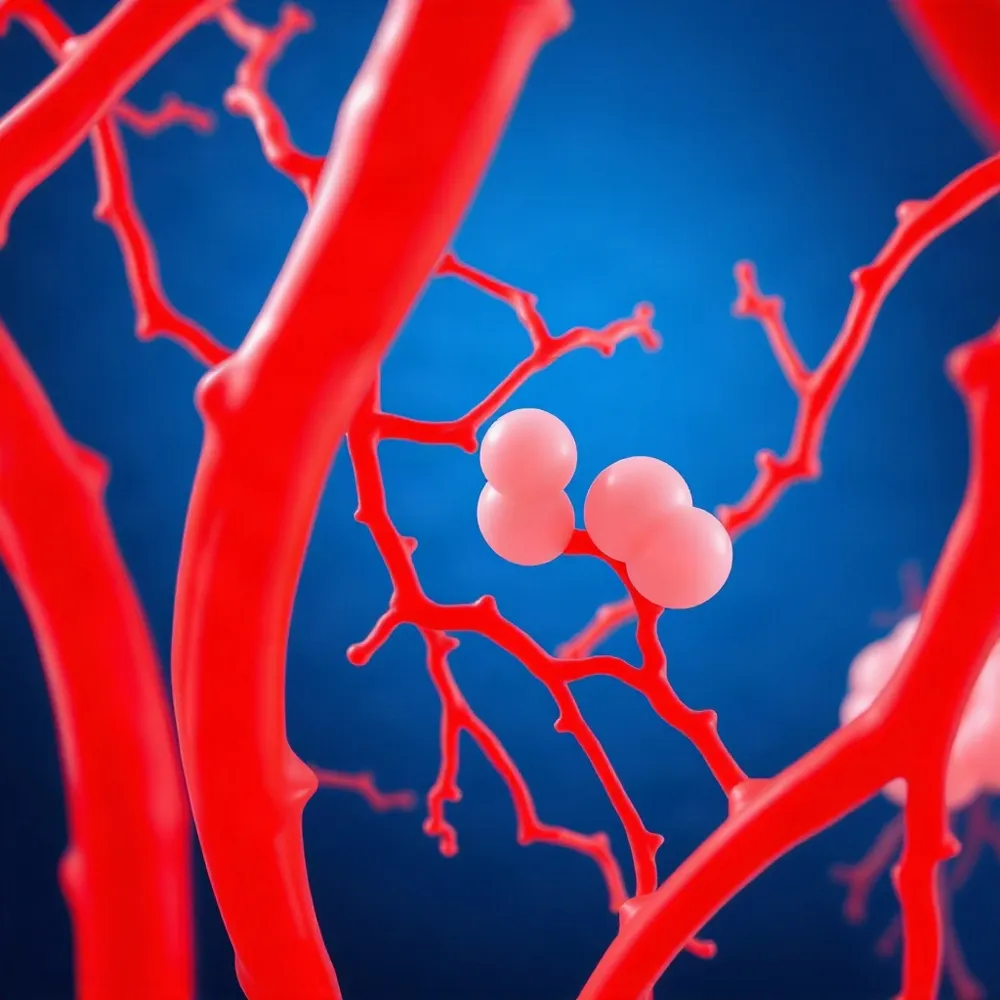 Structural fat grafting, sometimes called autologous fat grafting, uses your own harvested fat to restore volume and correct contour irregularities. Because the fat is taken from your body, it offers a natural way to address age-related volume loss without synthetic fillers. That said, the procedure's success depends heavily on how well the transferred fat survives in its new location, which is why understanding the biological principles behind graft survival matters.
The Science: How Fat Survives and Lasts
Fat tissue does not have its own blood supply once it is harvested. It must rely on oxygen and nutrients diffusing from the surrounding recipient bed until new blood vessels form, a process known as neovascularization. This dependency on oxygenation led to a critical framework called the Eto Three-Zone Survival Theory, which explains why some grafted fat lives while other parts do not. According to the theory, a graft can be divided into three zones based on oxygen availability.
Survival Zone. The outermost layer, closest to the recipient tissue. This zone receives ample oxygen and nutrients directly from the surrounding blood supply, so it has the highest chance of surviving and integrating with the host tissue.
Regenerative Zone. The intermediate layer, where oxygen and nutrients are partially available. Cells here may survive initially but are at risk of becoming ischemic. They act as a source of growth factors and regenerative signals, helping to support the overall structure.
Necrotic Zone. The central core, where oxygen and nutrient diffusion is insufficient. Without adequate support, fat cells in this zone are unlikely to survive and may undergo necrosis. The body eventually absorbs this tissue, leaving behind a portion of the graft volume.
This framework has direct clinical implications. A surgeon's goal is to maximize the survival zone by placing small, controlled amounts of fat in well-vascularized areas. Overfilling can create a larger necrotic core, leading to unpredictable results. For a detailed look at how this science plays out in practice, our Facial Rejuvenation Without Changing Your Natural Appearance resource covers how microfat grafting addresses volume loss while preserving your individual character.
The three-zone model also explains why the longevity of fat grafting depends on technique and experience. A 2024 review in Modern Aesthetics emphasized that a simple, atraumatic approach, using small aliquots and meticulous handling, yields more consistent results than aggressive manipulation. The goal is to preserve the delicate fat cells and allow the recipient site to support them during the crucial first week.
Why This Doesn't Make Fat Grafting Permanent
The notion that a fat graft is either entirely permanent or entirely absorbed oversimplifies the process. In reality, the final outcome is a balance between the surviving fat and the tissue that is replaced by scar or resorbed. The Eto theory clarifies that survival is not binary; it exists on a spectrum. A graft's fate depends on the volume placed, the recipient area's blood supply, and the surgeon's technique.
This is why the longevity of fat grafting can vary significantly between patients and between treatment areas. For example, a small graft placed in the well-vascularized periorbital region has a higher chance of reaching the survival zone than a large graft deposited in a poorly vascularized scar bed. A 2021 systematic review in Plastic and Reconstructive Surgery found that fat graft survival rates range from 40% to 90%, with higher rates when the surgeon uses refined techniques and places the graft in multiple layers.
The practical consequence is that most patients require more than one session to achieve their desired fullness. The first session establishes the foundation, and follow-up treatments address residual volume loss. This approach aligns with the concept of comparing longevity of nonsurgical fillers vs surgical augmentation, where the permanence of fat grafting is relative rather than absolute. Unlike synthetic permanent fillers, fat grafting integrates naturally with your facial architecture, offering a long-term solution backed by the science.
The Patient Experience: What to Expect
Your first consultation will include a thorough assessment of your facial anatomy and volume distribution. Using advanced 3D imaging, we can visualize how subtle adjustments to contour will restore balance without looking overdone. This technology helps us plan precisely where to place the graft, so we can target the zones most likely to benefit from increased oxygenation.
During the procedure, we harvest fat from a donor site, typically the abdomen or thighs, and prepare it using a technique that preserves cell viability. The fat is then injected in tiny droplets into the recipient area. The quantity is conservative by design. Overfilling can create a necrotic core and lead to unpredictable results. We prefer to err on the side of underfilling, which allows the body to accommodate the graft and reduces the risk of contour irregularities.
The recovery is typically straightforward. Most patients experience some swelling and bruising, which subsides within one to two weeks. The grafted fat undergoes a settling period, and you will see a gradual improvement over several months as the tissue integrates. Our what to expect from a custom-tailored rhinoplasty plan resource outlines the typical midterm healing timeline that applies to other facial procedures as well, including fat grafting.
At the Aesthetic Surgery Center, Dr. Macdonald combines the principles of the Eto Three-Zone Survival Theory with a personalized approach to each patient. He discusses your goals, assesses your donor sites, and plans a treatment strategy that prioritizes natural results and patient comfort. This individualized care is what sets the practice apart from one-size-fits-all approaches and ensures that your fat grafting experience is as comfortable and effective as possible.
Outstanding Results: Before and After Experience
 For many people considering facial rejuvenation, the goal is not to look different but to look like a rested version of themselves. Structural fat grafting, also called fat transfer or lipofilling, uses your own fat cells to restore volume lost over time, which can reduce the appearance of hollows and sagging without giving a pulled or overdone result. According to the American Society of Plastic Surgeons, this technique leverages the body's own tissue to achieve a more natural outcome.
What Is Structural Fat Grafting?
Structural fat grafting is a surgical procedure where a surgeon harvests fat from areas like the abdomen, thighs, or buttocks, purifies it, and then injects it into targeted regions of the face. Unlike synthetic dermal fillers that use dissolvable products, fat grafting integrates with your natural facial tissues, offering a more long-lasting and biocompatible solution. A systematic review published in facial fat grafting research notes that the procedure can safely address volume loss while improving skin quality when performed by experienced hands.
The term "structural" refers not just to filling a line but to contributing to the overall framework of the face. Fat cells placed beneath the skin support the overlying tissue, helping to smooth creases and restore youthful curves. As Stanford Medicine describes, the approach can be adapted for various facial zones, from the temples to the cheeks and nasolabial folds, making it a versatile tool in facial rejuvenation.
How It Differs from a Traditional Facelift
A traditional facelift primarily addresses skin laxity and deeper tissue descent by surgically lifting and repositioning the underlying muscles and skin. Fat grafting, in contrast, focuses on restoring volume. These approaches are not mutually exclusive; many patients benefit from combining them. For instance, a combined facelift with a brow lift can address distinct planes of aging, but if your primary concern is hollowness or loss of facial fullness, fat grafting alone may offer significant improvement without the need for excisional surgery.
For patients seeking a less invasive alternative to a full facelift, fat grafting can be the appropriate middle ground. A consultation with imaging can help you visualize how volume restoration might alter your appearance while preserving your natural identity, a concept central to a personalized facial rejuvenation plan.
The Role of Fat Grafting in Facial Balancing
Facial balance is about the harmonious relationship between different features. When one area of the face lacks volume, another may appear overly prominent. Fat grafting can help restore that balance. For example, adding volume to the cheeks can reduce the appearance of a long or heavy midface, or injecting fat into the temples can soften a gaunt look. Nano fat grafting is a refined technique that uses finer particles to treat delicate areas like the lower eyelids, enhancing the overall harmony of the face.
Because the fat comes from your own body, the integration is gradual, and the results feel natural. An exploration of facial rejuvenation through fat grafting by the American Society of Plastic Surgeons highlights that successful outcomes depend more on artistic judgment and precise technique than on the volume of fat injected. Overcorrection or undercorrection can upset the balance, which is why a personalized approach is essential.
Recovery. Most patients experience swelling and bruising for 1 to 2 weeks, which aligns with the typical recovery after a facial fat transfer. You can usually return to normal activities within a few days, though more strenuous exercise should wait a couple weeks.
Longevity. Many of the transferred fat cells survive permanently, offering longer-lasting results compared to temporary fillers. This is a stark contrast to non-surgical fillers, which typically degrade within months.
Swelling and bruising are common after fat grafting, but they are temporary. As noted in our article on facial fat transfer recovery, these effects typically peak within a few days and subside over one to two weeks. Following your surgeon's aftercare instructions for head elevation and avoiding pressure on the treated areas can help optimize results.
Before your procedure, your surgeon should assess your facial anatomy and aesthetic goals. Fat grafting can also complement other procedures, such as a facelift or eyelid surgery, to address all aspects of aging. A comprehensive plan that includes fat grafting can deliver a more rounded and natural outcome.
| Aspect | Fat Grafting | Facelift |
|---|---|---|
| Primary goal | Restore volume | Lift and tighten skin |
| Incision | None, just injection sites | Generally larger incisions |
| Recovery | 1-2 weeks (swelling) | 1-2 weeks to 4 weeks+ (bruising) |
| Longevity | Permanent for some cells | Long-lasting, 5-10 years |
| Natural look | High | Moderate to high |
| Cost range | $$ | $$$ |
Recovery and Longevity of Results
Structural fat grafting, sometimes called fat transfer or lipofilling, is a procedure that uses your own body fat to restore volume, shape, and balance to the face. The process begins with gentle liposuction from areas like the abdomen or thighs, then the harvested fat is purified before being carefully injected into targeted facial regions. For a detailed overview of the science and technique, Read more on fat grafting basics.
Volume. Restores lost facial volume that comes with aging, reversing hollowness in the cheeks, temples, and under-eyes for a fuller, more youthful contour.
Contour. Creates smooth, natural lines and curves, addressing depressions or asymmetries without altering your inherent facial character.
Integration. Because the fat is your own tissue, it integrates harmoniously with your unique anatomy, ensuring results that look and feel authentic.
According to a systematic review published in 2021, facial fat grafting is considered a safe and effective technique for addressing age-related volume loss, though outcomes vary based on technique and patient factors. The procedure's minimally invasive nature typically involves only small incisions, making it an attractive option for those seeking natural enhancement without a full surgical facelift.
The Longevity Advantage
One of the most compelling aspects of structural fat grafting is its durability. Unlike temporary dermal fillers that require repeated treatments, grafted fat can provide permanent results, with a portion of the transferred fat cells establishing a lasting blood supply. On average, patients retain 60-80% of the grafted volume after the initial healing phase, though individual results vary based on metabolism, lifestyle, and surgical expertise.
For a concise comparison: synthetic fillers offer results lasting 6-18 months, while fat grafting offers a potential permanent solution. This longevity not only reduces the need for frequent touch-ups but also means a single procedure can deliver lasting aesthetic improvements, as highlighted in educational resources on facial fat transfer outcomes.
Patient Considerations
Downtime. Most patients return to work within one week, though visible bruising and swelling may persist for up to two weeks.
Comfort. The procedure uses local anesthesia or light sedation, minimizing discomfort during the process and enhancing patient comfort.
Personalization. Each treatment plan is tailored to your unique facial architecture and aesthetic goals, ensuring natural-looking results that complement your features.
A study from Stanford University emphasizes that fat grafting is particularly effective for restoring youthful volume without creating an overdone appearance, making it a preferred choice for patients seeking subtle, confident enhancement.
When considering facial fat grafting, it's important to choose a surgeon with specialized expertise. At Dr. Macdonald's practice, we combine advanced 3D imaging to plan each procedure precisely, ensuring that the fat placement enhances your natural features while delivering long-lasting, sustainable results. This personalized approach, as documented in our guide to sustainable outcomes, sets us apart from generic approaches.
| Aspect | Fillers | Fat Grafting |
|---|---|---|
| Lifespan | 6-18 months | Permanent (60-80% retention) |
| Procedure | Non-invasive (injections) | Minimally invasive (liposuction + injection) |
| Anesthesia | Topical local | Local with sedation |
| Results | Gradual, reversible | Natural, permanent enhancement |
| Downtime | Minimal (hours) | 5-7 days |
The Procedure: Step by Step
 Structural fat grafting is a specialized technique that sets itself apart from standard fat transfer or dermal fillers. Rather than simply adding volume, this method focuses on placing fat in a way that supports the facial architecture, restoring not just fullness but also the underlying frame that softens with age. The goal is to create a natural-looking result that preserves your individual character.
The Core Principles
Integration. Fat grafting uses your own living cells, which can integrate with existing tissue. A systematic review in the Aesthetic Surgery Journal discusses how this integration impacts long-term outcomes, highlighting the importance of technique.
Structural Support. Rather than staying on the surface, structural grafting places fat in deeper planes, where it can act as a scaffold. This is different from superficial filler injections, which may just sit on top.
Longevity. Because it uses your body's own material, the results are often more durable. A study in the Aesthetic Surgery Journal found that long-term fat retention can be significant when performed correctly.
This approach is fundamentally different from synthetic fillers. Research published in Aesthetic Surgery Journal indicates that fat grafting offers a natural alternative with long-term viability, as the grafted fat can behave like your own tissue.
For many, the decision comes down to understanding the permanence and the natural feel. Unlike fillers that may need frequent touch-ups, a well-performed fat graft can offer a more lasting solution, as noted in this exploration of facial rejuvenation through fat grafting.
Risks, Side Effects, and Candidate Criteria
Not everyone who wants a fuller face is an ideal candidate for structural fat grafting. The procedure works best for patients who have enough donor fat to harvest, generally from the abdomen, thighs, or flanks, and who are in good overall health without chronic conditions that impair healing. A thorough consultation is the first step, and part of that visit often includes a review of your facial anatomy using a 3D imaging system. The 3D model helps you and your surgeon visualize how subtle adjustments to contour can restore balance without looking overdone.
Age plays a role, but it is not a hard cutoff. Younger patients in their 30s and 40s typically use fat grafting to restore volume lost in the midface and cheeks, while patients in their 50s and beyond often combine fat grafting with a surgical lift to address both volume and skin laxity. Smokers, patients with uncontrolled diabetes, autoimmune disorders, or a history of bleeding problems are generally advised to delay or avoid the procedure, since healing is less predictable under those conditions. As with any facial fat grafting, a careful medical screening is essential to reduce complications.
The Most Important Candidate Criteria
Beyond general health, the decision hinges on whether you have realistic expectations and adequate donor sites. If you are very thin and have little available fat, you may not have enough volume to achieve a meaningful correction, and the surgeon may recommend an alternative approach. On the other hand, if you have localized fat deposits that you would rather remove, such as under the chin or in the lower abdomen, those same areas can double as donor sites, turning a problem area into a source of natural-looking volume.
A key part of the consultation is evaluating your facial proportions and skin quality. Patients who have lost significant volume due to weight loss, aging, or facial trauma are often excellent candidates, because the graft can restore a natural contour. The table below summarizes the typical criteria that a board-certified surgeon will assess before recommending structural fat grafting.
| Criterion | Ideal Candidate | Why It Matters |
|---|---|---|
| Age | 30s to 60s | Volume loss is common but healing capacity declines with age |
| Health status | Non-smoker, no chronic conditions | Reduces risk of graft loss and infection |
| Donor fat availability | Adequate fat in abdomen, thighs, or flanks | Enough volume to achieve desired result |
| Skin elasticity | Good skin tone with minimal sagging | Fat adds volume; skin must redrape smoothly |
| Expectations | Realistic about results and recovery | Prevents dissatisfaction and repeat procedures |
While many patients ask about non-surgical alternatives, comparing longevity between fillers and fat grafting shows a clear distinction. Fillers offer immediate, temporary volume, but they require maintenance and typically last 12 to 24 months. In contrast, structural fat grafting integrates with your tissue and can provide longer-lasting, more natural results when done by an experienced surgeon. For those who want a more permanent solution without repeated touch-ups, fat grafting is often the preferred choice.
Contraindications That Rule Out Candidacy
Certain factors make fat grafting unsafe or unpredictable. Active infections, particularly in the face or donor areas, must be resolved first. A history of keloid scarring, poor wound healing, or a compromised immune system may also exclude you from the procedure. Additionally, patients who are very thin or have a body mass index below a certain range may not have enough donor fat, which can lead to a thin, hollow outcome that defeats the purpose.
Another consideration is medical conditions that affect blood flow, such as uncontrolled hypertension or peripheral vascular disease. Since the graft relies on a healthy blood supply to survive, any condition that compromises circulation increases the risk of graft loss. A thorough medical history, combined with a physical exam and a review of your goals, will help determine if you are a safe candidate. In some cases, a non-surgical alternative or a different surgical strategy may offer a better outcome.
Smoking. Nicotine constricts blood vessels, increasing the risk of graft failure. Most surgeons recommend quitting at least 4 to 6 weeks before and after the procedure.
Uncontrolled medical conditions. Diabetes, autoimmune disorders, and bleeding disorders interfere with healing. These conditions must be well-managed before any surgical treatment.
Extreme thinness. With too little donor fat, there is not enough volume to harvest, and you may not achieve the desired result. An experienced surgeon may recommend an alternative like fillers or microfat grafting.
Unrealistic expectations. Fat grafting can enhance facial balance, but it cannot stop aging or dramatically change your fundamental appearance. Understanding the limits is part of the candidacy process.
For those who are good candidates, the recovery and outcome are generally well tolerated. Yet even the most careful patient can experience complications such as swelling, bruising, or asymmetry, which is why choosing a board-certified plastic surgeon is important. Our approach at the Aesthetic Surgery Center emphasizes personalized treatment plans that address your specific anatomy and aesthetic goals. If you are considering structural fat grafting, the first step is a comprehensive consultation to assess your candidacy and explore all your options.
Fat Grafting vs. Fillers and Sculptra
Structural fat grafting, often called autologous fat grafting, uses your own fat cells to restore volume, correct asymmetry, and soften deep creases. The process starts with gentle liposuction from areas such as the abdomen or thighs, then the harvested fat is purified and carefully injected into the face. Because the transferred fat comes from your body, the risk of allergic reaction is essentially eliminated, and results look naturally integrated with your facial architecture.
Unlike synthetic fillers, which are temporary and made from biocompatible gels, fat grafting offers a long-term solution: surviving fat cells can last for years, and in many cases permanently. A 2024 review by the American Society of Plastic Surgeons notes that facial fat grafting can restore youthful contours with minimal downtime, though it also emphasizes that skill and proper technique are critical to ensure the grafted fat survives and looks even. If you're weighing fillers against fat, our guide on Facial Rejuvenation Without Changing Your Natural Appearance explains how microfat grafting restores volume while preserving your unique look.
How It Compares to Fillers
The core difference comes down to permanence and reversibility. Hyaluronic acid fillers last 6 to 18 months and can be fully dissolved if you change your mind. Fat grafting, on the other hand, offers permanent results, though the amount that survives varies by individual and technique. This distinction shapes the treatment plan: fillers suit those who want a preview or a temporary option, while fat grafting appeals to patients seeking a lasting correction. Our colleague articles on Fat Grafting vs. Fillers and Sculptra and Sculptra vs. Fat Grafting detail how the two approaches complement each other.
Who Is a Good Candidate
Ideal candidates are those with sufficient donor fat, good overall health, and realistic expectations about what fat grafting can achieve. The procedure works well for filling nasolabial folds, cheek hollows, temple depressions, and thin lips. Many patients choose to combine fat grafting with a facelift or brow lift for a more cohesive rejuvenated profile. A study in PMC highlights that fat grafting can correct facial asymmetry effectively, making it a versatile tool for both cosmetic and reconstructive goals.
What to Expect and Recovery
Recovery typically involves swelling and bruising for one to two weeks, with about 10-30% of the grafted fat being absorbed over the first three months. Your surgeon may recommend touch-ups to maintain optimal volume. Unlike fillers that require repeated appointments, fat grafting offers a one-and-done approach for lasting correction. To learn more about combining fat transfer with other procedures, read about fat grafting complements other facial procedures and facial fat injection results.
Choosing Between Fat Grafting and Fillers
The decision isn't one-size-fits-all. Fillers offer predictability and reversibility, while fat grafting provides longevity and uses your own tissue. If you're in the San Francisco area, Dr. MacDonald's Aesthetic Surgery Center specializes in structurally guided fat grafting that prioritizes natural-looking, permanent results. Contact us to schedule a consultation and see how fat grafting can restore your youthful contours.
Cost and Is It Worth It?
Structural fat grafting, also called autologous fat transfer, is a procedure that moves fat from one part of your body to another to restore lost volume and correct soft tissue contours in the face. Unlike synthetic fillers, this approach uses your own living fat cells, which integrates naturally with the surrounding tissue. Research published in the Journal of Craniofacial Surgery describes how fat grafting for facial rejuvenation offers a biocompatible alternative for patients seeking a more natural outcome.
The procedure begins with liposuction to harvest fat from areas like the abdomen, thighs, or flanks. The harvested fat is then purified through gentle centrifugation or filtration before being injected into the face. According to a systematic review in Plastic and Reconstructive Surgery, the success of the graft depends heavily on proper technique and patient selection, with survival rates of transplanted fat cells varying widely.
For many patients, the appeal lies in a dual benefit: body contouring in the donor site and facial rejuvenation at the graft site. The American Board of Cosmetic Surgery explains that this approach can smooth wrinkles, improve skin texture, and correct smile lines, providing a seamless way to address multiple concerns in one procedure.
Restoring Natural Balance with Expert Care
Ready to explore how structural fat grafting can restore volume and balance to your face? At Aesthetic Surgery Center, Dr. Macdonald offers personalized facial fat grafting consultations in San Francisco, where you'll get a tailored treatment plan based on your unique facial anatomy.
Call today to schedule your consultation and take the first step towards a more balanced, youthful version of yourself.