
Your Results Deserve a Long-Term Care Plan
Long-term cosmetic outcomes depend on daily maintenance as much as they do on the surgery itself. A consistent routine of sun protection, gentle cleansing, and targeted skincare protects your investment and preserves a natural-looking result.
Why Cosmetic Results Depend on Aftercare
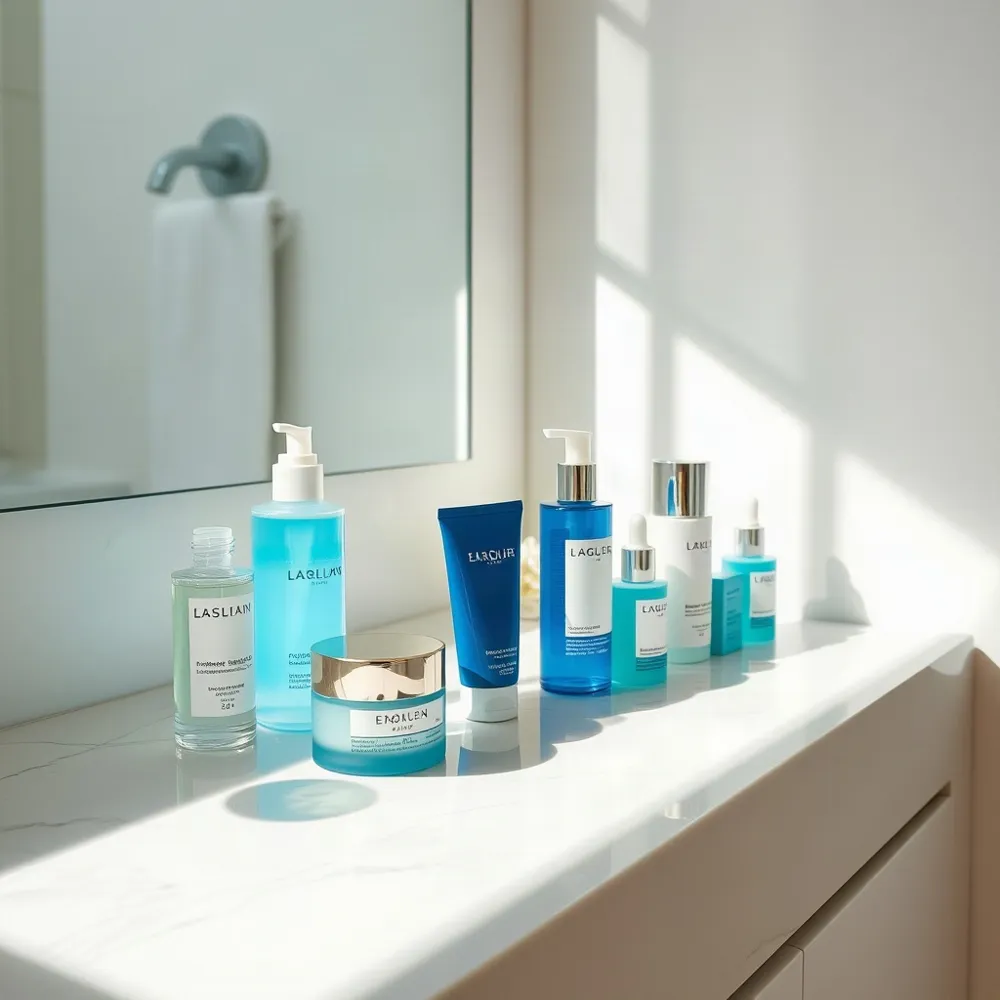 Few things disappoint a surgeon more than seeing beautiful work undone by neglect. You've invested time, money, and recovery effort into a procedure. The final few weeks are where results are truly earned. Yet most patients treat the post-operative period as an afterthought. They follow the basics, then drift back to old habits and wonder why their results fade faster than expected. The truth is that the longevity of any cosmetic outcome depends far more on your daily choices than on the surgeon's skill alone.
Proper aftercare does more than just support healing. It actively preserves the structural and aesthetic gains of your procedure. For facial work, that means consistent sun protection, a gentle skincare routine, and avoiding habits that break down collagen. For body procedures, it means protecting incisions, staying hydrated, and maintaining a stable weight. When you understand why each step matters, you stop viewing aftercare as a chore and start seeing it as an extension of the treatment itself. This mindset separates those who enjoy lasting results from those who need a revision in a few years.
This section will walk you through the fundamentals of result maintenance, the common pitfalls that derail recovery, and how to build a simple routine that protects your investment. Whether you've just scheduled a consultation or are midway through recovery, these principles apply across every procedure offered at the Aesthetic Surgery Center San Francisco.
Why Aftercare Directly Affects Your Long-Term Results
Your skin and underlying tissues go through significant trauma during surgery or a non-surgical treatment. In the first weeks, your body is busy rebuilding blood supply, laying down collagen, and reducing inflammation. The environment you provide during this critical window determines whether that repair happens evenly or leaves gaps. Skipping sun protection, for instance, allows UV radiation to break down the very collagen your body is trying to produce. Similarly, returning to vigorous exercise too soon can strain sutures and increase swelling, undoing the precise tissue repositioning your surgeon achieved.
Beyond the initial healing phase, results continue to evolve for months. Collagen remodeling peaks around six to eight weeks but can carry on for up to a year, depending on the procedure. During this time, your habits either support or sabotage that process. Smoking, poor nutrition, and unprotected sun exposure all accelerate premature aging, while a consistent skincare routine and balanced diet help maintain your new contours. This is why every reputable surgeon emphasizes aftercare so heavily; it's not just about the first week, but about establishing habits that last for years.
Understand these basic principles before you dismiss aftercare as overblown. Proper maintenance is not about perpetually buffing your skin; it's about protecting the structural foundation your surgeon created. That mindset shifts your whole approach.
Common Pitfalls That Sabotage Your Results
Even the most disciplined patients make mistakes. Here are the most frequent slip-ups that undermine cosmetic outcomes, along with why they matter.
- Skipping sun protection after the first few weeks. UV damage is cumulative and accelerates collagen breakdown, which directly counters your surgical results.
- Returning to exercise or heavy lifting too soon. This can raise blood pressure, increase swelling, and even open incisions, delaying healing and distorting results.
- Ignoring a consistent skincare routine. A basic regimen of gentle cleanser, moisturizer, and vitamin C or retinol helps maintain skin quality and supports long-term collagen production.
- Smoking or vaping during recovery. Nicotine constricts blood vessels, starving tissues of oxygen and nutrients, which leads to poor scarring and faster aging.
- Neglecting hydration and proper nutrition. Dehydrated skin heals slower and shows wrinkles more readily, while a diet low in protein and antioxidants can impair tissue repair.
- Skipping follow-up appointments. These visits allow your surgeon to catch early complications and guide your maintenance plan, so missing them is a missed opportunity to protect your results.
Each of these pitfalls is avoidable. The key is to replace bad habits with intentional routines. For example, instead of skipping sunscreen because it feels heavy, choose a lightweight, non-comedogenic formula designed for post-procedure skin. Instead of diving into high-impact workouts, follow a graduated return-to-exercise plan your surgeon provides.
Building Your Sustainable Maintenance Plan
Maintaining results isn't about a single expensive product or a punishing regimen. It's about consistency and simplicity. Start with the basics: daily SPF 30 or higher, a gentle cleanser, a nourishing moisturizer, and a targeted serum if your surgeon recommends one. For surgical patients, scar management is equally important. Silicone sheets, gentle massage, and avoiding direct sun on incisions can significantly improve scar appearance. A comprehensive guide to facelift results reinforces that long-term satisfaction depends on these ongoing habits.
Nutrition also plays a role. Anti-inflammatory foods like berries, leafy greens, and omega-3 fatty acids support collagen synthesis. Staying hydrated keeps skin plump and resilient. And sleep is non-negotiable; your body does most of its repair work during deep rest. Aim for seven to nine hours per night, especially in the first few months after surgery.
Remember, the goal isn't to look like you've never had a procedure. It's to look refreshed, natural, and like the best version of yourself for as long as possible. That requires accepting that maintenance is a lifelong commitment. But the payoff is a confident reflection that lasts for years, not months, before you need a touch-up.
When to Consider a Touch-Up or Second Procedure
No matter how well you care for your results, aging continues. Factors like gravity, genetics, and hormonal changes gradually alter your appearance. This isn't a failure of your surgery or your aftercare; it's the natural evolution of tissue. However, the good news is that many patients can extend their results with less invasive touch-ups, such as laser skin tightening or dermal fillers, before considering a full surgical revision.
The optimal time to reassess varies by procedure. For facelifts, most surgeons suggest waiting at least six months for final results to settle. After that, if you notice early signs of sagging or volume loss, a nonsurgical maintenance plan may suffice. For body procedures like tummy tucks, results are generally long-lasting, but significant weight fluctuations can alter contours. Maintain a stable weight to protect your outcome.
Evaluation. Schedule a follow-up with your surgeon to objectively assess the current state of your results. Discuss any concerns about volume, tone, or texture.
Nonsurgical options. Consider injectables, energy-based treatments, or skin resurfacing to address early changes before they become prominent. These are lower-risk and require minimal downtime.
Surgical revision. If significant aging recurs after several years, a surgical revision may be appropriate. This decision should be based on realistic expectations and a thorough consultation with a board-certified plastic surgeon.
Ultimately, the best maintenance strategy is prevention. By partnering with your surgeon and following a consistent routine, you can often put off the need for more invasive procedures for many years. This is the core philosophy at the Aesthetic Surgery Center San Francisco. We don't just perform procedures; we help you build a sustainable plan for aging gracefully.
| Factor | Impact on Results | Recommendation |
|---|---|---|
| Sun exposure | Breaks down collagen, causes wrinkles and discoloration | Daily SPF 30+, reapply every 2 hours |
| Skincare routine | Supports collagen production and skin health | Gentle cleanser, moisturizer, vitamin C, retinol (as directed) |
| Nutrition | Affects healing and tissue repair | Anti-inflammatory diet rich in antioxidants and protein |
| Lifestyle habits | Smoking impairs blood flow; poor sleep hinders repair | Stop smoking; prioritize 7–9 hours of quality sleep |
| Weight stability | Significant fluctuations stretch skin and distort results | Maintain a stable weight through diet and exercise |
| Follow-up care | Early detection of complications; guidance for maintenance | Attend all scheduled appointments; ask questions |
As you can see, every decision you make after your procedure has a direct impact on how long your results last. The good news is that none of these steps are complicated or time-consuming. They simply require consistency and a willingness to treat your post-procedure self gently. If you have questions about your specific procedure or need personalized aftercare guidance, contact our team for a consultation. Your results deserve the care that keeps them looking natural and beautiful for years to come.
Daily Habits That Protect Veneers and Crowns
Proper care after receiving dental restorations such as porcelain veneers or crowns is essential for ensuring their longevity and maintaining a natural appearance. Many patients wonder how to maintain their smile after cosmetic work, and the answer lies in a consistent, gentle routine that protects both the restorations and the underlying natural teeth.
Porcelain veneers and crowns are durable, but they are not indestructible. Daily habits play a significant role in how long they last. Brushing twice daily with a soft-bristled toothbrush and non-abrasive toothpaste helps prevent plaque buildup without scratching the polished surface. Flossing once a day removes debris from between teeth and along the gumline, where harmful bacteria can accumulate and lead to gum disease or decay at the margins of the restoration.
Daily Habits That Protect Veneers and Crowns
Adopting a few simple daily practices can dramatically extend the life of your dental work. Beyond regular brushing and flossing, consider using an antimicrobial mouthwash to reduce bacterial load. Avoiding staining agents such as coffee, red wine, and tobacco helps keep veneers bright and prevents discoloration that may require professional polishing.
- Use a soft-bristled toothbrush and non-abrasive toothpaste
- Floss daily to clean around the gumline and between teeth
- Rinse with an alcohol-free antimicrobial mouthwash
- Limit intake of staining foods and beverages
- Schedule regular dental check-ups and cleanings every six months
When considering long-term maintenance after any cosmetic dental procedure, it is also important to protect your investment with a balanced approach. For patients interested in broader facial rejuvenation, combining dental care with facial aesthetic treatments can create a harmonious overall appearance. For instance, exploring options like a facial rejuvenation timeline can help you plan how to maintain results across multiple procedures.
In addition to daily habits, periodic professional care is crucial. Your dentist can polish the restorations, check for any signs of wear or leakage, and apply fluoride treatments to strengthen the surrounding tooth structure. These visits also allow for early detection of any issues that could compromise the longevity of your veneers or crowns.
The Role of Diet and Lifestyle
What you eat and drink affects not only your overall health but also the durability of your cosmetic dental work. Acidic foods and beverages can erode the bonding cement and the enamel adjacent to the restoration, so it is advisable to consume them in moderation and rinse your mouth with water afterward. Chewing on hard objects like ice or pens can chip the porcelain, so it is best to avoid such habits.
Porcelain Veneers. Thin shells bonded to the front of teeth to improve color, shape, and size. They require careful handling to avoid chipping.
Dental Crowns. Caps that cover a damaged tooth, restoring its strength and appearance. Proper hygiene is essential to prevent decay at the margins.
For those who also undergo cosmetic procedures beyond dentistry, such as laser skin tightening, maintaining a consistent skincare regimen complements dental care. Sun protection, hydration, and gentle cleansing are as important for your skin as they are for your smile, ensuring that all aspects of your appearance remain refreshed and youthful.
| Habit | Frequency | Benefit |
|---|---|---|
| Brushing | Twice daily | Removes plaque and prevents stains |
| Flossing | Once daily | Cleans between teeth and under gumline |
| Mouthwash | Once daily | Reduces bacteria and freshens breath |
| Check-ups | Every 6 months | Professional cleaning and early issue detection |
Ultimately, the longevity of your veneers and crowns depends on the consistency of your care routine. By integrating these practices into your daily life and staying committed to professional follow-ups, you can enjoy a beautiful, durable smile for many years. For more detailed guidance, explore our article on how to maintain aging facial skin after surgery, which offers complementary tips for overall facial aesthetic maintenance.
Professional Cleanings and Checkups
Cosmetic dentistry is an investment in how you look and feel, and the materials your dentist places are engineered to endure. Composite bonding typically holds for 5 to 7 years, porcelain veneers for 10 to 15 years, and dental implants can last decades or even a lifetime with the right care. But those time frames assume one non-negotiable: a consistent maintenance routine that starts with regular professional cleanings.
Skip those six-month visits and you don't just shorten the lifespan of your restorations, you also put your natural teeth and gums at risk. Plaque that isn't removed by a hygienist hardens into tartar, which no amount of brushing or flossing at home can dislodge. Over time, that buildup triggers gum inflammation, recession, and the kind of bone loss that can loosen even the most beautifully crafted crowns or veneers.
Bonding. Composite resin bonds to the tooth surface but stains and wears at the margins. Professional cleanings remove surface stains and polish the edges so the bonding blend stays seamless.
Veneers. Porcelain is stain-resistant but not stain-proof. Cleanings polish the ceramic and, more importantly, keep the gumline healthy so the margin where the veneer meets the tooth stays hidden and secure.
Crowns. A crown relies on the health of the tooth and surrounding tissue. Tartar below the gumline can cause decay at the margin, leading to failure long before the ceramic itself wears out.
Implants. The implant screw fuses to bone, but the crown is still vulnerable to peri-implantitis, an inflammatory condition that can destroy the supporting bone. Regular cleanings are the primary defense.
What Happens in That Six-Month Chair
Professional cleanings do far more than polish. A hygienist uses a scaler to remove tartar above and below the gumline, then follows with a rubber-cup polish and, when needed, a fluoride treatment. For cosmetic patients, the real value is in the preventive maintenance: catching a chip, a worn margin, or early gum disease while it's still a quick chair-side fix rather than a full redo.
The American Board of Cosmetic Surgery emphasizes that consistent maintenance is one of the top ways to protect your results. For facial cosmetic procedures, that means sun protection and skincare; for dental work, the analog is oral hygiene and professional care. The principle is identical: results fade fastest when you treat them as permanent.
The Domino Effect of Skipped Appointments
Miss two or three cleanings in a row and you may not notice anything different. Your teeth still feel smooth, your smile still looks bright. But beneath the surface, the bacterial load is shifting. Gingivitis can develop without any pain, and once it progresses to periodontitis, the supporting structures that hold your restorations in place start to erode. That's when bonding fractures, veneer margins open, and crowns fail.
The cost consequence is hard to ignore. A single prophy and exam typically runs $150 to $300, while replacing a failed veneer or crown can set you back $1,500 or more. Over a ten-year window, keeping to a six-month schedule costs less than the price of one replacement, and it protects the natural tooth structure that no restoration can replicate.
Your At-Home Routine Between Visits
Professional cleanings are the cornerstone, but the daily habits determine how much ground they have to cover. Brushing twice a day with a soft-bristled brush, flossing once a day, and using a non-alcoholic, fluoride mouthwash keeps plaque from hardening in the first place. For patients with veneers or bonding, a toothpaste formulated for sensitive or restorative work helps preserve the polish without being abrasive.
Pay special attention to the gumline around your restorations. That's where plaque hides and where the earliest signs of trouble appear. Water flossers are a helpful add-on, but they don't replace traditional floss. And if you grind your teeth, ask your dentist about a night guard, because the constant pressure can crack porcelain and chip composite far faster than any food ever will.
Signs It's Time to Book Sooner
Your body gives you gentle warnings when a restoration needs attention. Bleeding when you brush or floss, tenderness at the gumline, a sudden sensitivity to hot or cold, or a rough spot on a formerly smooth surface all warrant a call. Waiting until something hurts usually means the issue has progressed well past the point of a simple polish.
If your last cleaning is more than eight months behind you, that's your cue to schedule. The longer you wait, the more tartar accumulates, and the more invasive the cleaning becomes. A routine prophy can turn into a scaling and root planing appointment, which requires local anesthesia and a longer recovery.
| Restoration | Typical Lifespan | With Regular Cleanings | Without Cleanings |
|---|---|---|---|
| Composite bonding | 5–7 years | Full-term with minor touch-ups | Fractures, stains, early failure |
| Porcelain veneers | 10–15 years | Near full lifespan | Margin decay, gum recession, loosening |
| Porcelain crowns | 10–15 years | Full-term or beyond | Decay at margin, crown loss |
| Dental implants | 20+ years | Decades to lifetime | Peri-implantitis, bone loss, implant failure |
The pattern is consistent across every type of cosmetic restoration. Professional cleanings don't just feel good, they're the single most reliable way to protect the investment you've made in your smile. Book your next appointment before you notice a problem, and your cosmetic results will repay you with years of confident, low-maintenance wear.
Recovery Tips That Guard Your Surgical Results
 The way you care for yourself in the weeks after cosmetic surgery determines how much of your improvement lasts. Short-term choices such as activity level, sun exposure, and skincare habits directly affect both how smoothly you heal and how long your results stay looking their best. A thoughtful recovery routine protects the work your surgeon did and sets the stage for lasting satisfaction.
One of the most common questions patients ask is how soon they can return to exercise or heavy lifting. The answer depends on the procedure, but a general rule is to avoid strenuous activity for several weeks. This is not about being overly cautious; it is about giving tissues time to settle and scars time to mature. For example, facelift and eyelid surgery patients are typically advised to skip vigorous workouts for at least two to three weeks, while body procedures may require a longer pause. Following these timelines matters because early strain can pull at incisions and lead to wider or more visible scars. If you want practical guidance on this phase, the recovery guide from Dr. Macdonald's practice outlines activity restrictions that protect your results while you heal.
Sun protection. Daily, year-round sunscreen is non-negotiable. Ultraviolet exposure breaks down collagen and can cause scars to darken or become more noticeable. Apply a broad-spectrum SPF 30 or higher every morning, even on cloudy days, and reapply if you are outdoors.
Skincare routine. Gentle cleansing and moisturizing keep the skin healthy without irritating healing areas. Introduce medical-grade antioxidants, like vitamin C, only after your surgeon gives the go-ahead, and avoid harsh exfoliants in the first month.
Healthy lifestyle. A balanced diet rich in protein and vitamins, steady hydration, and adequate sleep support ongoing tissue repair. Smoking and excessive alcohol slow healing and can compromise long-term results, so avoiding them is essential.
The benefits of disciplined aftercare go beyond the immediate healing window. Consistent sun protection, a careful skincare regimen, and routine follow-up appointments help you keep the refreshed look you invested in. Small habits, practiced daily, make the difference between results that fade quickly and those that endure.
Skincare That Keeps Results Fresh
Your cosmetic results are a direct reflection of the daily habits you build around them. While the surgeon's skill and the procedure itself are essential, long-term outcomes depend heavily on consistent, gentle care that respects your newly treated skin. A thoughtful skincare routine after surgery not only preserves your results but also supports faster healing and a more natural, refreshed appearance.
Start With the Fundamentals: Cleansing, Moisturizing, and Sun Protection
The most important thing you can do for any cosmetic procedure is to treat your skin with care. This means using a gentle, non-abrasive cleanser twice a day, followed by a fragrance-free moisturizer to keep your skin hydrated. Sun protection is non-negotiable: daily use of a broad-spectrum sunscreen with SPF 30 or higher is the single most effective step you can take to prevent premature aging and maintain your results. Consistent sun protection and healthy lifestyle choices are essential to support the long-term results according to our own guidance.
For patients considering a facelift or other surgical procedure, these habits matter even more. A structured at-home routine with gentle, non-abrasive products helps keep results fresh between visits to your care team. As your skin adjusts, you may need to adjust your products, but the core principle remains: protect, hydrate, and avoid harsh ingredients that can compromise your outcome.
Smart Skincare Habits That Extend Your Results
Building a skincare routine is about more than just what you apply; it's also about what you avoid. Sleep on a clean silk or satin pillowcase to minimize friction and reduce the risk of irritation. Always remove makeup before bed, and never pick at or scrub healing incisions. These small habits prevent damage and help your skin heal evenly.
Professional guidance amplifies these efforts. A board-certified surgeon can recommend specific products and ingredients that complement your procedure and your skin type. For example, your surgeon might suggest a gentle vitamin C serum in the morning and a prescription-strength retinoid at night to boost collagen production without over-drying. When you follow a personalized plan, you're far more likely to see results that last.
| Habit | Why It Helps | How to Make It Routine |
|---|---|---|
| Use gentle cleanser | Removes impurities without stripping skin | Cleanse morning and night, then pat dry |
| Apply broad-spectrum SPF daily | Prevents UV damage and premature aging | Use 30+ SPF every morning, even on cloudy days |
| Moisturize while skin is damp | Locks in hydration | Apply after cleansing, before sunscreen |
| Sleep on silk or satin | Reduces friction and irritation | Switch to a silk or satin pillowcase |
| Avoid harsh scrubs | Prevents micro-tears and inflammation | Use a soft cloth or chemical exfoliant sparingly |
Long-Term Lifestyle and Touch-Ups
 The longevity of your cosmetic results depends less on luck and more on planning. Whether you have had a surgical procedure or a series of non-invasive treatments, the habits you practice in the months and years after recovery carry most of the weight. A consistent routine protects your investment, while neglect gradually undoes what took time and care to achieve.
For surgical cases, the final outcome is not fully settled until swelling fully resolves and tissues settle, which can take several months. After that, your primary goal shifts from healing to preservation. This means daily sun protection, a targeted skincare regimen, and regular follow-up visits with your surgeon. Even after your face or body has healed internally, ongoing habits will determine whether you continue to look refreshed or begin to show signs of aging again.
The Role of Skincare in Maintaining Results
Your skin is the canvas on which your surgical results are painted. After any facial or body procedure, the right skincare routine can enhance and extend your outcome. Cleansing gently, moisturizing consistently, and applying sunscreen daily are non-negotiable steps. Sun exposure is the single greatest cause of premature aging, breaking down collagen and elastin that your surgeon just helped tighten or reposition.
Consider adding medical-grade antioxidants, such as vitamin C, to your morning routine to protect against environmental damage, and a retinol-based product at night to support cellular turnover. These ingredients complement your surgical results without requiring downtime. For those who have had facial procedures, a maintenance plan that includes periodic professional peels or light laser treatments can keep your skin glowing between annual visits.
Lifestyle Habits That Support Your Investment
What you do outside the clinic affects your results as much as what happens inside it. Smoking, excessive alcohol consumption, and poor nutrition all impair circulation and collagen production, accelerating the aging process. On the other hand, a balanced diet rich in antioxidants, adequate hydration, and regular exercise support your body’s natural repair mechanisms. The American Board of Cosmetic Surgery emphasizes that a healthy lifestyle is foundational for long-term results, as your skin and tissues need proper nourishment to remain firm and resilient.
Sun protection is not just for your face; it also applies to your neck, chest, and hands, which often show age first. Reapply a broad-spectrum SPF every two hours when outdoors, and wear a wide-brimmed hat for extra defense. These simple habits, repeated daily, protect the underlying structural support that your procedure repaired.
The Importance of Follow-Up Care
Regular follow-up appointments allow your surgeon to monitor your healing, address any concerns early, and recommend maintenance treatments before issues become visible. These visits are not just a formality; they are part of a proactive partnership. If you have had a facelift or neck lift, your surgeon may suggest a touch-up filler or a laser resurfacing session at a certain interval, depending on your skin type and aging pattern.
Consider scheduling a yearly consultation to assess your results and discuss any changes in your skin quality or body contour. This proactive approach helps catch small issues before they require more extensive correction. Your long-term plan should be personalized, and it starts with an honest conversation about your goals and lifestyle.
Touch-Ups and Non-Surgical Maintenance
No surgical result is meant to last forever; natural aging continues. To maintain a fresh, rested look, many patients incorporate periodic non-surgical maintenance, such as neuromodulator injections (Botox, Dysport), dermal fillers, or a light chemical peel. These quick, low-downtime procedures can soften new lines, add volume where needed, and stimulate collagen, preserving your surgical outcome.
On average, you might need a touch-up every 6 to 12 months, depending on the product and your metabolism. For example, neuromodulator effects last about 3 to 4 months, while fillers can last 6 to 18 months, depending on the type and area treated. Instead of treating these as repeat expenses, view them as part of a maintenance strategy that keeps you looking like yourself, only rested. Your surgeon can help you schedule these procedures to overlap with your natural aging curve, ensuring you never look 'overdone.'
Practical Tips for Long-Term Results
- Always wear broad-spectrum SPF 30 or higher daily, regardless of weather.
- Moisturize morning and night, especially after cleansing, to keep hydration levels up.
- Avoid direct sun exposure during peak hours (10 a.m. to 4 p.m.) or seek shade.
- Incorporate antioxidants like vitamin C in the morning and a retinol at night (if recommended by your surgeon).
- Stay hydrated by drinking plenty of water to keep your skin plump and supple.
- Follow a balanced diet rich in lean proteins, fruits, and vegetables to support collagen production.
- Maintain a stable weight, as significant fluctuations can stretch skin and alter your results.
- Quit smoking and limit alcohol intake to protect blood flow and collagen health.
- Wear a hat and protective clothing when outdoors for extended periods.
- Schedule regular follow-up visits with your surgeon to monitor your results and discuss any adjustments.
Implementing these habits does not require a major overhaul of your routine. Small, consistent actions yield significant benefits over time. The most effective approach combines professional oversight with dedicated at-home care.
| Factor | Impact on Longevity | Maintenance Strategy |
|---|---|---|
| Sun exposure | Accelerates collagen breakdown | Daily SPF, protective clothing |
| Skincare routine | Supports skin health and firmness | Cleanse, moisturize, antioxidants |
| Smoking | Restricts blood flow, damages elastin | Cessation programs, support |
| Follow-up care | Catches issues early | Annual visits, touch-ups |
| Nutrition | Provides building blocks for repair | Balanced diet, hydration |
Ideally, you would weave these considerations into a long-term plan. If you have not yet had a consultation, now is the perfect time. At Dr. MacDonald’s Aesthetic Surgery Center, we focus on personalized, minimally invasive methods to help you achieve and sustain natural-looking results. We invite you to schedule a consultation to discuss a maintenance plan tailored to your needs. Many patients find that this ongoing partnership is the key to enjoying their results for years.
Commit to a Routine, Reap the Rewards
Recovery. Recovery centers on the initial healing phase: managing swelling, avoiding strain, and protecting the incision line in the days and weeks after surgery. It is the body’s response to the procedure itself, focused on immediate protection and returning to baseline.
Maintenance. Maintenance is the long-term commitment that preserves your results over months and years. For a tummy tuck, this means consistent scar care with silicone sheeting and sunscreen, stabilizing your weight, and protecting abdominal contour through diet, exercise, and good skincare. While recovery passes within weeks, maintenance is a permanent life phase.
Silicone sheets and gels reduce scar thickness and discoloration. Daily sunscreen over the scar line prevents hyperpigmentation and keeps the incision from becoming noticeable. Sun protection also helps the surrounding skin age gracefully, which keeps your overall look cohesive and natural.