Why Personalization Matters
Personalized aesthetic treatment is a patient‑centered approach that tailors every step—from initial assessment and digital imaging to procedure selection and after‑care—to the individual’s anatomy, skin type, lifestyle and aesthetic goals. By aligning interventions with these unique factors, patients experience higher satisfaction, as results look natural and expectations are met. Sustainability is enhanced because customized protocols reduce unnecessary procedures, lower complication rates and extend the durability of outcomes through targeted maintenance. Minimally invasive technologies such as 3‑D scanning, AI‑driven predictive models, injectable neuromodulators, hyaluronic acid fillers and radio‑frequency microneedling enable clinicians to fine‑tune treatment depth, dosage and timing for each client, minimizing downtime while preserving tissue health. This synergy of personalization and minimally invasive tools creates lasting, patient‑focused results. Patients benefit from digital monitoring that adjusts care in real time.
Digital Health & Epic: Building a Custom Care Pathway
 Personalized aesthetic care now hinges on seamless digital integration. Epic’s CarePathways workflow serves as the backbone, allowing clinicians to select an evidence‑based pathway that matches a patient’s diagnosis and then tailor it with patient‑specific templates that reflect unique facial anatomy, skin type, aesthetic goals, and health status. AI‑driven insights embedded in Epic surface relevant prior minimally invasive procedures—such as botulinum toxin, HA fillers, or laser resurfacing—by mining large outcome datasets and imaging repositories. This real‑time decision support helps surgeons adjust technique combinations, product selections, and anesthesia plans to reduce complications and enhance safety. Outcome‑tracking modules capture intra‑operative details, postoperative pain scores, and patient‑reported satisfaction surveys, feeding the data back into the care plan for continuous refinement. Integrated communication tools ensure that the entire multidisciplinary team sees updates instantly, fostering shared decision‑making and adherence to personalized post‑procedure regimens. The result is a transparent, auditable record that supports quality reporting, lowers revision rates, and delivers sustainable, natural‑looking results for each individual.
Understanding Minimally Invasive Care
 Minimally invasive care refers to procedures that use tiny incisions, natural body openings, or percutaneous techniques instead of large open wounds. Specialized instruments, miniature cameras, and sometimes robotic assistance allow clinicians to treat the target area while preserving surrounding tissue, resulting in less pain, minimal scarring, lower infection risk, and a rapid return to daily activities. In aesthetic medicine, this approach enables personalized, precise interventions that align with a patient’s unique anatomy, skin type, and lifestyle goals.
What is minimally invasive surgery called? It is most often termed laparoscopic surgery or keyhole surgery, reflecting the use of a few small ports rather than a large incision. The technique extends to facial and body cosmetic procedures, where endoscopic, robotic‑assisted, and percutaneous methods fall under the broader label of minimally invasive techniques.
What does minimally invasive care mean? It means delivering treatment through minimal tissue disruption, using tiny cameras, lasers, injectables, or energy‑based devices to achieve the desired aesthetic outcome while reducing recovery time and complications. This patient‑first model supports natural‑looking results and higher satisfaction.
What is the most effective non‑invasive facelift? The most comprehensive, FDA‑cleared option combines Ultherapy combined with radiofrequency microneedling, delivering deep tissue tightening and collagen remodeling without surgery. This hybrid protocol offers a sustainable lift, aligns with personalized treatment plans, and fits seamlessly into a minimally invasive aesthetic regimen.
Stem‑Cell Facials: Promise, Cost, and Reality
 Stem‑cell facials have generated buzz for their potential to improve skin texture, tone, and hydration. Before‑and‑after photographs typically show modest smoothing of fine lines, a more even complexion, and a subtle glow, especially when the treatment is paired with oxygen‑rich formulas such as Ceutisome™ Stem Formula. Results appear within the first few weeks, plateau, and often require maintenance sessions for continued benefit. Because outcomes are variable, patients should set realistic expectations and consider proven alternatives—laser resurfacing, chemical peels, or injectable fillers—for more dramatic, lasting changes.
In the San Francisco Bay Area, a stem‑cell facial session costs between $2,500 and $5,000. Pricing depends on the volume of stem cells harvested, the treated facial zone, and any adjunctive procedures like microneedling or PRP. Most clinicians recommend a series of two to three treatments, increasing the overall investment. The procedure is cosmetic and experimental, so insurance does not cover it.
Our Aesthetic Surgery Center does not currently offer stem‑cell facials, as they lack FDA clearance for facial use. We specialize in FDA‑approved, minimally invasive rejuvenation—Botox, dermal fillers, laser resurfacing, and PRP—delivered by Dr. Michael R. Macdonald’s board‑certified team. For those specifically seeking stem‑cell options, we can refer qualified research clinics conducting clinical studies. Contact us at 415‑956‑3223 to discuss evidence‑based, personalized treatment plans that align with your aesthetic goals.
Delivering High‑Quality, Holistic Patient Care
 A comprehensive consultation is the cornerstone of personalized aesthetic care. During the initial visit the practitioner conducts a thorough skin assessment, reviews medical history, lifestyle habits, and aesthetic goals, and often employs 3‑D imaging or virtual simulation to map each patient’s unique facial anatomy. This data‑driven approach enables the selection of minimally invasive techniques—such as neuromodulators, hyaluronic‑acid fillers, or radio‑frequency microneedling—that match the patient’s skin type, age, and desired outcomes, while also establishing realistic timelines and post‑procedure expectations.
Shared decision‑making builds on this foundation by fostering transparent, culturally‑sensitive communication. Patients receive clear explanations of risks, benefits, and alternative options, allowing them to co‑create a treatment roadmap that aligns with personal values and lifestyle. This collaborative model not only improves adherence to after‑care regimens but also enhances long‑term satisfaction and natural‑looking results.
Nurse‑led holistic support extends the personalized experience beyond the procedure room. Nurses perform comprehensive assessments that include emotional wellbeing and psychosocial factors, educate patients on recovery protocols, and employ complementary strategies such as guided imagery or therapeutic massage for pain control. Tailored follow‑up plans, regular check‑ins, and access to counseling ensure continuity of care, reduce complications, and promote a healing presence.
How to deliver high quality patient care – Begin with an individualized consultation, use evidence‑based, patient‑specific treatments, maintain transparent communication, and implement meticulous follow‑up.
True or false: An individualized approach to care is essential – True. Tailoring procedures to each patient’s anatomy and goals reduces complications and maximizes natural, lasting results.
How can nurses incorporate a holistic approach? – By conducting comprehensive assessments, providing compassionate education, integrating mind‑body techniques, and coordinating personalized post‑procedure follow‑up that addresses pain, wound care, and emotional support.
Celebrity Skin Secrets and Alternative Rejuvenation Strategies
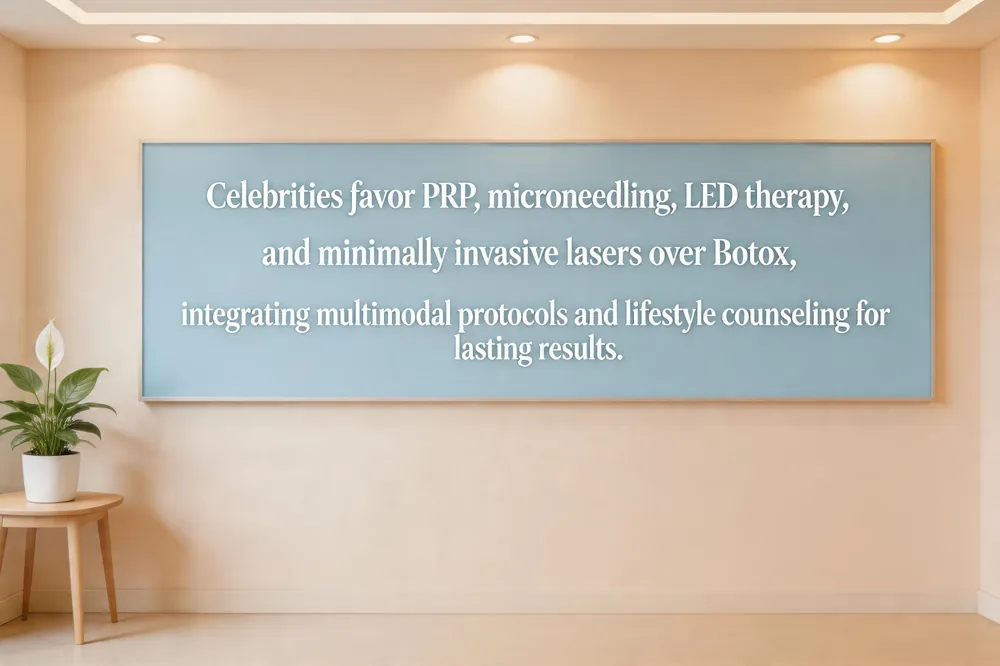
What do celebrities use instead of Botox?
Stars such as Kim Kardashian, Jennifer Aniston and Jessica Alba often skip traditional neurotoxins in favor of minimally invasive, non‑surgical modalities that stimulate the body’s own collagen and repair pathways. The most popular alternatives include platelet‑rich plasma (PRP) “vampire” facials, microneedling, LED light therapy, and fractional laser resurfacing. Chemical peels, cryotherapy, facial acupuncture and dedicated face‑yoga routines also feature prominently in celebrity regimens, delivering tightening and rejuvenation without needles. When a neurotoxin effect is desired, many opt for newer injectables like Xeomin or Dysport, which have distinct protein structures and diffusion patterns. High‑quality serums and personalized skincare protocols are layered on top of these procedures to maintain a camera‑ready glow between visits.
Individualized plan of care
At our San Francisco Aesthetic Surgery Center we develop a customized treatment roadmap for every patient. The plan integrates detailed facial anatomy, specific aesthetic goals, medical history, skin type and lifestyle factors. Digital 3‑D imaging and virtual simulation allow us to preview outcomes, while machine‑learning decision support systems recommend optimal technique combinations—such as neuromodulators paired with dermal fillers or laser‑based skin tightening—to achieve natural, long‑lasting results. Post‑procedure protocols are tailored to each individual, including targeted skincare, pain‑management strategies and scheduled follow‑up monitoring, ensuring faster recovery and sustainable outcomes.
Non‑Botox popular treatments
Beyond neurotoxins, the most sought‑after minimally invasive options include hyaluronic‑acid fillers for volume restoration, calcium hydroxyapatite for deep‑tissue remodeling, and poly‑L‑lactic acid for collagen‑stimulating effects. Energy‑based devices such as radiofrequency microneedling (e.g., Morpheus8) and fractional CO₂ lasers provide deep dermal stimulation while minimizing downtime. Combining complementary modalities—like botulinum toxin for dynamic lines plus fillers for static volume loss—delivers comprehensive rejuvenation in a single session, yielding more natural and harmonious facial balance.
Combination modalities for natural results
A multimodal approach is key to achieving subtle, age‑appropriate enhancements. For example, a typical protocol might begin with a low‑energy laser to improve texture, followed by PRP‑infused microneedling to boost collagen, and conclude with a precise HA filler placement to restore lost volume. This layered strategy respects each patient’s unique aging pattern—whether it’s early volume loss, skin laxity or pigment irregularities—while preserving facial expressions and avoiding over‑correction.
Lifestyle impact on sustainability
Long‑term aesthetic durability depends on lifestyle choices. Regular sunscreen use, adequate hydration, balanced nutrition, sufficient sleep and stress management all support skin health and prolong treatment benefits. Our personalized plans incorporate lifestyle counseling, recommending UV protection, antioxidant‑rich diets and gentle exercise routines. By aligning treatment timing with seasonal climate factors—such as San Francisco’s mild, humid environment—we optimize skin hydration and enhance the efficacy of both in‑office procedures and at‑home regimens, ensuring lasting, natural‑looking results.
Future Directions: AI, Predictive Analytics, and Sustainable Aesthetics
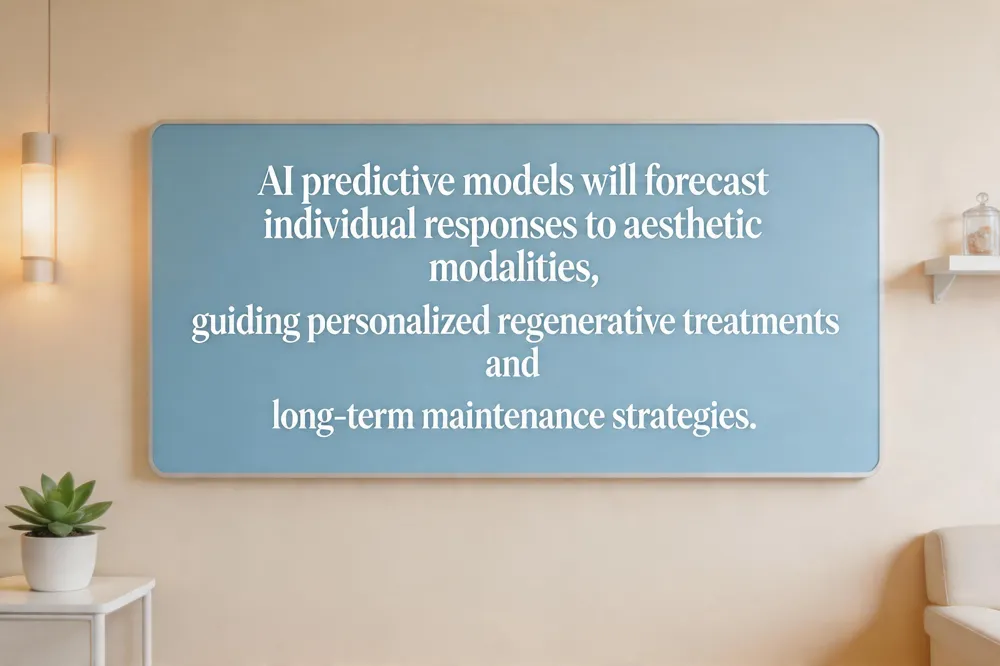 The next wave of aesthetic medicine will be powered by AI‑driven predictive models that analyze a patient’s skin type, genetic markers, lifestyle data, and prior procedural outcomes. Machine‑learning algorithms can forecast how different minimally invasive modalities—Botox, HA fillers, RF microneedling, or PRP—will interact with an individual’s tissue biology, allowing clinicians to select the optimal combination before a single needle is inserted (AI in Aesthetic: Personalized AI‑Driven Predictive Medicine Integration). Predictive models will be merged with regenerative medicine techniques such as autologous fat grafting, platelet‑rich plasma, and stem‑cell‑derived growth‑factor injections. By coupling AI‑predicted healing trajectories with biologically active treatments, surgeons can enhance collagen remodeling, improve vascularity, and reduce fibrosis, leading to more natural, long‑lasting results (Regenerative Medicine Integration). Finally, sustainable aesthetic outcomes require robust long‑term maintenance strategies. Personalized post‑procedure protocols—tailored skincare, scheduled touch‑ups, wearable monitoring of healing, and lifestyle counseling—ensure that the benefits of a procedure endure while minimizing repeat interventions (Long‑Term Maintenance Strategies).
What are the 4 P’s of personalised medicine? The four P’s are personalised, preventive, predictive, and participatory. Personalised care tailors diagnosis and treatment to each patient’s unique genetic, lifestyle, and environmental profile. Preventive strategies aim to identify and mitigate health risks before disease develops. Predictive tools use data and analytics to forecast an individual’s susceptibility to specific conditions. Participatory medicine encourages patients to be actively involved in decision‑making and managing their own health.
Sustainable Beauty Through Personalization
A personalized aesthetic plan aligns every procedure with a patient’s unique anatomy, skin type, lifestyle and goals, delivering higher satisfaction, natural‑looking results and lower complication rates. By leveraging evidence‑based, minimally invasive technologies—3‑D imaging, AI‑driven predictive models, hyaluronic acid fillers, laser resurfacing, microneedling, and regenerative options such as PRP—clinicians can fine‑tune dosage, technique and post‑procedure care for each individual. This data‑driven, patient‑centered approach not only shortens recovery time but also sustains outcomes through tailored maintenance schedules and ongoing monitoring. Experience the difference of a treatment plan that evolves with you. Schedule a personalized consultation today and begin a sustainable, confidence‑boosting journey toward your best‑looking self.