A More Even-Looking Complexion
Sun spots, uneven tone, fine lines, and rough texture can make skin look less smooth or balanced than you would like. Laser resurfacing is a nonsurgical option that can improve selected surface concerns, including sun damage, age spots, and mild to moderate acne scars, by treating the skin with focused light energy. It does not correct sagging skin, so it is important to match the treatment to the concern rather than expect it to address every sign of aging. Mayo Clinic’s overview of laser resurfacing explains the procedure’s uses and limits.
The right approach depends on your skin, treatment goals, medical history, and how much recovery time you can accommodate. Some methods leave the skin surface intact and tend to produce subtler changes, while others remove outer layers and generally involve more healing. At drmmacdonald.com, laser skin resurfacing is presented as an option for concerns such as uneven texture, pigmentation, and fine lines; a consultation can help determine whether it fits your needs and expectations.
What Resurfacing Can Address
 Laser resurfacing directs focused light energy at selected areas of skin. Depending on the method, it removes the outer skin layer or heats tissue beneath the surface, which can prompt collagen production as the skin heals.
Treatment may improve fine lines, sun damage, age spots, uneven pigmentation, rough texture, and mild to moderate acne scars. The degree of change depends on the concern and the approach; resurfacing can improve skin’s appearance but does not correct sagging or significant skin laxity. Mayo Clinic’s overview of laser resurfacing describes these potential uses and limitations.
Different methods can suit different goals. Nonablative treatments leave the surface intact and may gradually improve color and texture, while ablative CO2 or erbium approaches remove outer layers and can provide more substantial resurfacing with greater recovery needs. Fractional devices treat microscopic columns of tissue, leaving surrounding areas untreated. The right choice depends on what is causing the unevenness, skin characteristics, desired improvement, and tolerance for recovery.
Intense pulsed light, or IPL, is not technically a laser. It uses broad-spectrum pulses of light and may address some similar concerns, including discoloration and redness. At the Aesthetic Surgery Center in San Francisco, treatment planning considers the patient’s skin concerns and goals; its laser procedures include broadband light treatment for sun damage, redness, and uneven pigmentation.
A clinical assessment helps distinguish concerns that resurfacing may improve from those that need another approach. Johns Hopkins Medicine’s guide to laser skin resurfacing also notes that resurfacing does not treat sagging skin, so expectations should focus on tone, texture, and selected surface changes.
Choosing a Resurfacing Approach
Laser resurfacing options differ in how they affect the skin, how noticeable their results may be, and how much recovery they involve. At drmmacdonald.com, treatment planning is personalized to the skin concern and the patient’s goals, rather than based on a single approach for everyone.
Ablative and nonablative treatments
Ablative lasers remove controlled outer skin layers and heat the tissue beneath them, encouraging collagen production as the skin heals. They may create more noticeable changes, but generally involve more downtime and aftercare. Nonablative treatments heat or illuminate tissue without removing the surface layer. They are usually gentler, with shorter recovery and more gradual, subtle results. Mayo Clinic’s overview of laser resurfacing explains these broad differences.
Fractional delivery can be used with either type. It treats microscopic columns or zones while leaving nearby skin intact, which may reduce recovery or side-effect risk. Multiple sessions are often needed, depending on the device and treatment plan.
Comparing CO2, erbium, and fractional options
CO2 and erbium lasers are both ablative, but their uses and effects differ. CO2 may be considered for pronounced concerns such as scars or deeper wrinkles. Erbium can address mild to moderate wrinkles and may cause less injury to surrounding tissue, though the best choice and recovery vary by patient. Johns Hopkins Medicine’s guide to laser rejuvenation describes these differences and notes that treatment should be selected with a clinician.
Fraxel is a brand associated with fractional laser devices, not one uniform treatment. Whether a device is ablative or nonablative, what it targets, and the expected downtime depend on the specific system and its settings. At drmmacdonald.com, laser procedures are selected according to the concern being treated and the person’s skin and preferences.
No single laser is right for everyone. A clinician should weigh the depth of the concern, skin tone and medical history, desired degree of improvement, pigment-change risk, and willingness to accommodate recovery when discussing an appropriate plan.
Assessing Suitability and Skin Tone
People considering resurfacing may be seeking improvement in sun damage, uneven tone or texture, fine lines, or acne scars. At drmmacdonald.com, the clinical assessment considers the concern and the person’s skin, goals, health, and willingness to follow recovery and aftercare guidance. Resurfacing is not suitable for every concern or every patient.
Skin tone deserves careful attention. Some laser approaches can cause lasting dark or light pigment changes, and people with brown or Black skin may face greater risk. An experienced clinician can assess skin and choose suitable devices and settings, or discuss other options when laser treatment may not be appropriate. Mayo Clinic’s guidance on laser resurfacing describes these risks and the need for individualized treatment.
A recent tan or substantial sun exposure, active acne or infection, a history of keloids or cold sores, and prior facial procedures may call for caution or postponement. Certain immune or connective-tissue conditions, recent isotretinoin use, pregnancy, or breastfeeding can also affect candidacy. Medical history and medicines should be reviewed before treatment, rather than stopping or changing medication without clinical direction.
There is no single ideal age. Mature skin may be assessed for concerns such as sun-related spots, fine lines, or uneven texture, but deep wrinkles and significant sagging or excess skin may need a different approach. Resurfacing improves surface appearance; it does not correct skin laxity. A consultation can review the skin, health, goals, prior treatments, expected results, and recovery to determine whether resurfacing or an alternative is the better fit. Johns Hopkins Medicine explains what laser resurfacing can and cannot address.
Comfort During the Procedure
 A consultation and skin assessment help the care team match treatment intensity to your concerns and recovery preferences. The clinician reviews your medical history, medications, and prior procedures, examines the treatment area, and discusses expected results, risks, and healing. This kind of preparation helps determine whether resurfacing is appropriate and which approach fits your goals, as described in Mayo Clinic’s laser resurfacing guidance.
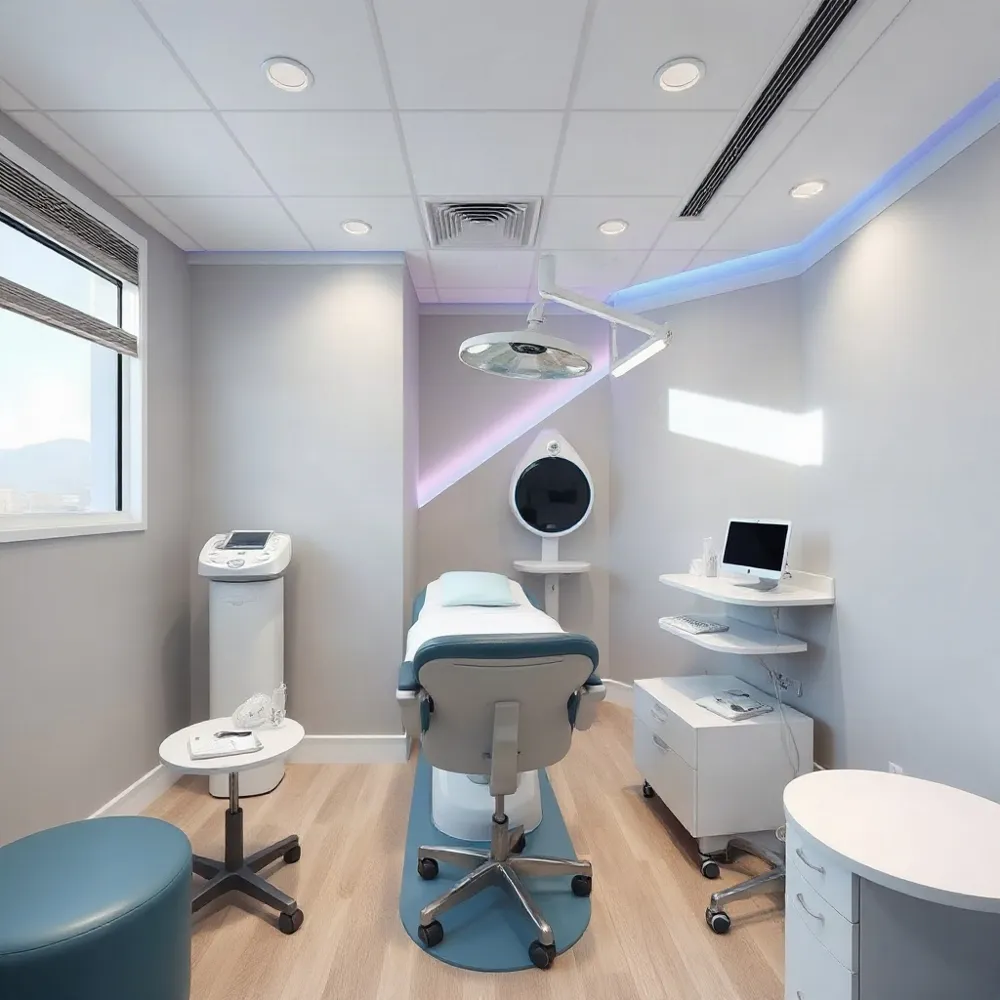
At drmmacdonald.com’s Aesthetic Surgery Center in San Francisco, treatment planning is personalized to the patient’s skin and concerns. Resurfacing is generally performed in an outpatient clinical setting, with protective eyewear worn during the procedure.
Comfort measures depend on the device, treatment area, and intensity. A milder nonablative treatment may use topical numbing cream, while ablative resurfacing commonly uses local anesthesia. Sedation may be considered for more extensive treatment. Patients can experience warmth, stinging, snapping sensations, or other discomfort, and should tell the care team if they need additional support.
Procedure length varies with the technique and area treated. Ablative resurfacing may take about 30 minutes to two hours. Anyone receiving sedation should arrange for someone to drive them home. After treatment, the skin may feel warm or sunburned and appear red or swollen; the care team will explain appropriate aftercare and sun protection.
Patients can review what to discuss during a visit in this guide to questions for an aesthetic surgery consultation.
Benefits and Important Limitations
Laser resurfacing may soften the appearance of selected fine lines, sun damage, age spots, uneven color, rough texture, and some acne scars. By removing or heating targeted skin, certain treatments also encourage collagen production, which can support a smoother-looking surface. The degree of change depends on the concern, treatment method, and individual skin response.
Ablative treatments remove the outer skin layer and can create more noticeable changes, but typically involve more healing time. Nonablative treatments leave the surface intact, so results are often subtler and may call for repeat sessions. Fractional delivery is another consideration: it treats small columns of tissue while leaving surrounding skin intact. Mayo Clinic’s overview of laser resurfacing explains how these approaches differ.
Resurfacing does not promise perfect skin, stop the aging process, or correct sagging skin. It may also be less effective for some deep wrinkles or scars. At drmmacdonald.com, treatment planning is personalized to the skin concern and the person’s goals, with laser procedures that include options for refining texture and tone.
Common short-term effects include redness, swelling, itching, burning or discomfort, and peeling. Possible complications include infection, acne or temporary milia, scarring, and skin that becomes darker or lighter than the surrounding area. Brown or Black skin may face a greater risk of lasting pigment changes with some approaches; treatment depth and a history of keloids also matter. Mayo Clinic advises that laser choice and settings should account for skin tone and individual risk.
A consultation should cover likely benefits, recovery, risks, and alternatives, including the clinician’s experience with the proposed laser and similar skin tones. At the Aesthetic Surgery Center, San Francisco, this assessment helps determine whether resurfacing fits the patient’s concerns and whether another option may be more appropriate.
Recovery and Skin Care
 Recovery varies with the laser, treatment depth and area, and individual healing. After ablative resurfacing, new skin commonly covers the treated area in about 7 to 10 days, but full recovery may take at least a month. Nonablative treatments usually involve a shorter recovery, sometimes with temporary swelling or color changes. These ranges are general, not a promise for an individual result, as Mayo Clinic explains.
Redness, swelling, itching, stinging, and sensitivity can occur. Skin may later feel dry and peel, and more intensive treatment can leave it raw or oozing. Pinkness may persist after the surface has healed, so a healed layer does not necessarily mean the skin has returned to its usual appearance. After CO2 treatment, the pattern and duration of redness, discomfort, and peeling depend on treatment depth; there is no universal schedule for the most difficult days.
Follow the treating clinician’s instructions, since care depends on the procedure. Guidance may include gentle cleansing and a prescribed ointment or moisturizer. Avoid picking, scratching, or scrubbing peeling skin, and ask before using makeup or resuming your usual skincare products. Irritating products and settings that raise infection risk may also need to be avoided while the skin heals. The American Society of Plastic Surgeons’ recovery guidance likewise advises following the surgeon’s directions for cleansing and skin protection.
Protect treated skin from the sun during healing and afterward. Once your clinician says it is appropriate, use daily sunscreen with SPF 30 or higher, along with moisturizer, shade, and protective clothing. For brown or Black skin, tinted sunscreen containing iron oxide and titanium dioxide may help protect against melasma and post-inflammatory hyperpigmentation. At drmmacdonald.com, laser resurfacing care is part of personalized treatment planning, so aftercare instructions can be matched to the chosen procedure and the patient’s skin.
Contact the care team about fever, worsening pain, unusual drainage, bleeding, or increasing redness or swelling. Follow-up visits can help the clinician assess healing and advise when to resume makeup, active skincare, and normal activities. Downtime cannot be rushed, but following the wound-care plan and raising concerns promptly can support a safer recovery.
Results and Treatment Planning
Changes are not always clear as soon as treatment ends. Redness and early healing can temporarily mask improvement, while skin texture and color may become more even as the treated area recovers. Collagen-related changes can continue over weeks or months, particularly after less intensive treatments. The timing and degree of change vary by laser, treatment depth, and individual healing.
Realistic goals matter: resurfacing may soften fine lines, sun damage, uneven pigmentation, selected acne scars, and rough texture, but it does not correct sagging skin or substantially change facial structure. Nonablative treatment usually produces gradual, subtler improvements, often more noticeable in texture and color than in wrinkle smoothing. Mayo Clinic’s overview of laser resurfacing describes how treatment choice and expected results depend on the person’s skin, treatment choice, and expected results.
Understanding Treatment Costs
The cost of laser skin resurfacing depends on the treatment plan rather than one standard price. Factors include the laser and treatment intensity, the area and depth treated, the number of sessions, and the practice location.
The estimate may also include provider fees, anesthesia, facility charges, medications, and follow-up care. At drmmacdonald.com, treatment planning considers the laser and intensity suited to the patient’s skin concerns, while laser resurfacing costs can vary with the treatment area, depth, session count, and location.
Ask for a written estimate that lists what is included and whether additional visits or care may involve separate charges. Laser resurfacing is generally considered cosmetic and often is not covered by insurance. Coverage may differ when treatment relates to scars or burns, so confirm the details with both your insurer and provider, as laser resurfacing costs can vary with the treatment area, depth, session count, and location.
A Personalized Path Forward
Laser resurfacing can help improve selected concerns, including uneven tone, sun damage, fine lines, and some scars, but it does not address every skin concern or produce the same result for everyone. A clinical assessment helps determine whether treatment fits your skin and expectations. Mayo Clinic’s overview of laser resurfacing explains why the approach and likely recovery depend on individual factors.
At a consultation, discuss your skin tone, medical history, goals, recovery needs, aftercare, and possible alternatives. Ask about the clinician’s experience with the proposed treatment and with skin like yours. At drmmacdonald.com, treatment planning considers skin concerns and personal goals, with options ranging from laser resurfacing to other laser procedures.
Follow the care team’s instructions during healing, and keep up sun protection afterward. Daily sunscreen and moisturizer help protect treated skin and support longer-term maintenance.