
Understanding the Impact of Sun Exposure on Skin Health
Sun damage, clinically known as photoaging, represents a cumulative process where ultraviolet radiation from the sun alters the fundamental structure of the skin. Unlike a temporary sunburn, this exposure disrupts cellular function at a deep level, breaking down the collagen and elastin fibers that maintain skin firmness and elasticity. Per data from the Skin Cancer Foundation, sun exposure is responsible for an estimated 90% of skin aging symptoms.
Beyond simple surface changes, UV rays trigger melanocytes to produce abnormal pigment, resulting in localized areas of hyperpigmentation such as sun spots or age spots. While some visible effects, like fine lines or a rough texture, appear as cosmetic concerns, these often signal deeper structural degradation within the dermis. This damage accumulates even during brief, incidental contact, making long-term protection essential.
At drmmacdonald.com, we recognize that effectively addressing these changes requires a multi-layered strategy. Unlike generic topical treatments that often fail to penetrate beyond the outer layer of the epidermis, our clinical approach combines targeted technologies to restore skin health. By pairing the diagnostic expertise found at our Aesthetic Surgery Center with advanced options like Hybrid Fractional Laser (Halo®), we help patients transition from managing cosmetic distress to achieving measurable, structural rejuvenation.
Clinical Effectiveness of Laser Rejuvenation
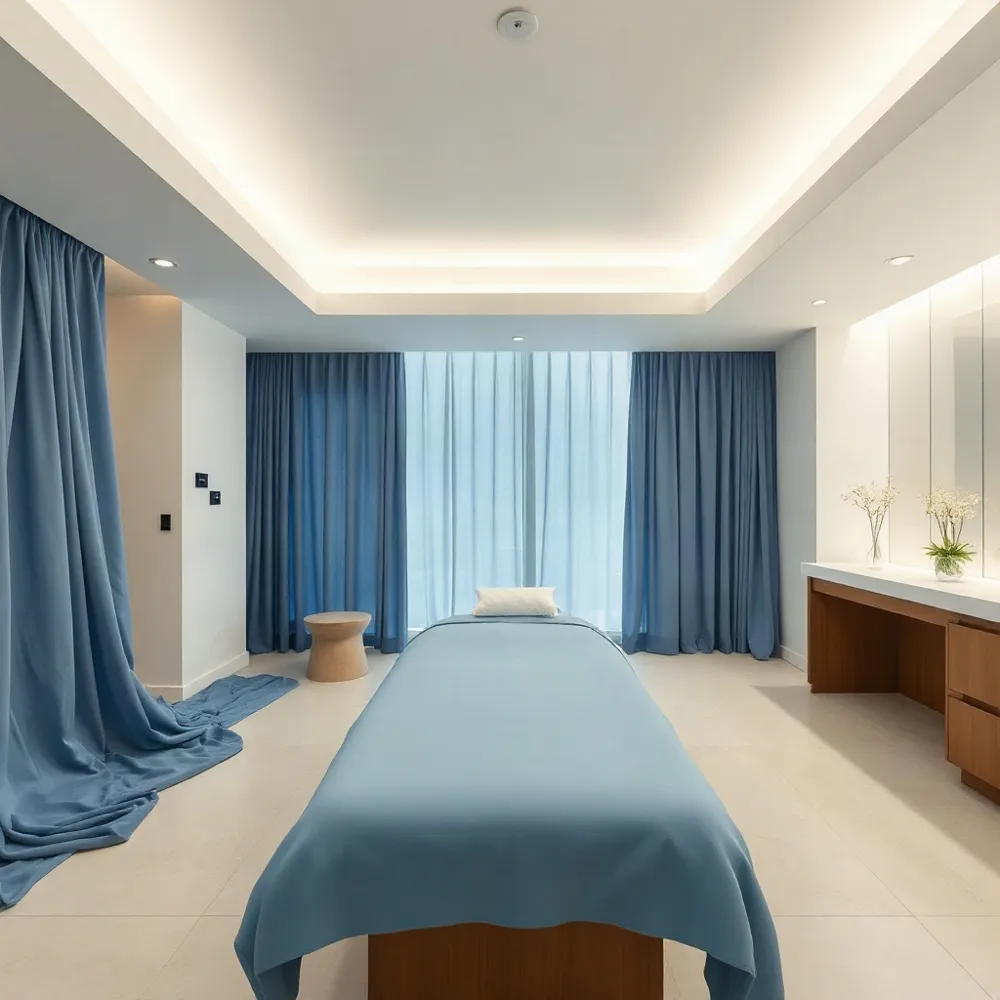 Laser skin rejuvenation serves as a bridge between basic topical skincare and invasive surgical procedures. By utilizing precise energy to address photoaging, these treatments deliver targeted outcomes that surface-level creams often cannot achieve. At drmmacdonald.com, our clinicians prioritize a personalized approach that aligns advanced technology with the specific skin health goals of each patient.
Can laser skin resurfacing effectively reverse sun damage?
Laser skin resurfacing is a highly effective, non-surgical treatment designed to target and reduce the appearance of sun damage, such as sun spots, uneven pigmentation, and fine lines. By delivering precise light energy to the skin, these procedures gently remove damaged surface layers and stimulate the body’s natural healing response. This process promotes essential skin cell turnover and boosts collagen production, resulting in a smoother, more radiant complexion. Because sun damage often involves both textural changes and discoloration, our personalized approach allows us to tailor the depth and intensity of the treatment to your specific aesthetic needs. With minimal downtime compared to invasive surgery, laser resurfacing offers patients a sophisticated way to restore skin health and achieve a refreshed, rejuvenated appearance.
The Role of Photothermolysis in Skin Renewal
The efficacy of these procedures relies on the principle of photothermolysis, where light energy is absorbed by targeted molecules like melanin or water. This absorption creates controlled micro-injuries in the skin, which trigger a natural healing cascade. Unlike standard facial treatments, this professional intervention prompts the dermis to reorganize its collagen structure, effectively firming the skin from within. At drmmacdonald.com, we utilize these mechanisms to customize treatments for varying degrees of texture irregularities and pigmentation issues, ensuring that the intervention matches the severity of the damage.
Professional dermatologic intervention provides a level of precision and safety that remains unmatched by over-the-counter alternatives. While consumer-grade products struggle to penetrate deep enough to address structural photoaging, clinical lasers are calibrated to bypass or remove damaged layers safely. By choosing a specialized facility like drmmacdonald.com, patients gain access to devices designed for minimally invasive rejuvenation that balances dramatic aesthetic improvement with recovery protocols tailored to individual lifestyle needs.
Navigating Laser Technologies and Treatment Modalities
Selecting the right laser technology is a precise process that requires matching specific energy wavelengths to your unique skin concerns. At drmmacdonald.com, we focus on a personalized approach that categorizes treatments into ablative and non-ablative modalities to ensure both comfort and efficacy. Understanding these core differences is the first step toward effective rejuvenation.
What are the different types of laser skin resurfacing treatments available?
Ablative lasers, including carbon dioxide (CO2) or erbium systems, function by vaporizing the outermost layer of skin, the epidermis, to stimulate robust collagen production. This method is often chosen for deep wrinkles or significant texture irregularities, though it necessitates a longer recovery period. Conversely, non-ablative technologies like Intense Pulsed Light (IPL) penetrate beneath the surface, heating the underlying dermis without removing the top layer. These options typically provide subtler improvements with significantly faster recovery times, making them popular for those seeking maintenance treatments.
Modern approaches often utilize fractional laser technology to achieve the best of both worlds. By treating only microscopic columns of tissue, this approach preserves surrounding healthy cells, which drastically accelerates the healing process. Whether you require a Hybrid Fractional Laser for comprehensive surface renewal or a targeted light therapy for persistent pigmentation, our combination laser therapy protocols are tailored to balance your aesthetic goals with your desired lifestyle impact.
| Modalities | Primary Mechanism | Best Used For |
|---|---|---|
| Ablative | Vaporizes outer layer | Deep wrinkles, severe texture |
| Non-ablative | Heats deep dermis | Mild pigment, redness, maintenance |
| Fractional | Microscopic columns | Customizable surface renewal |
Personalized Planning and Session Requirements
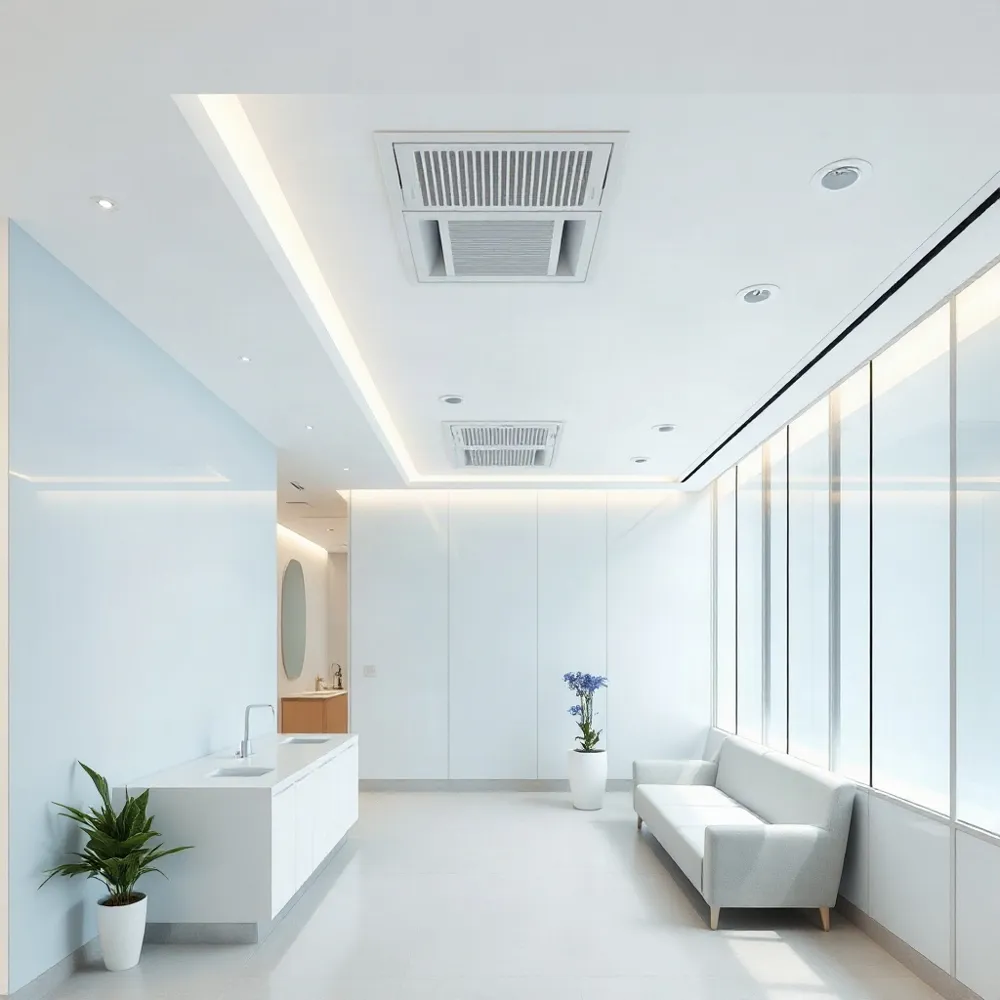 Achieving your aesthetic goals requires a strategic approach rather than a single visit. The frequency and total number of sessions needed for laser skin resurfacing depend on your unique skin concerns, the severity of sun-related damage, and the specific laser technology employed. While an ablative laser might produce significant improvements in one sitting, many patients choose to undergo a series of treatments to achieve more consistent, gradual results.
How many sessions of laser skin resurfacing are typically required?
At drmmacdonald.com, we emphasize that personalized care ensures both safety and efficacy. Many non-ablative or fractional options are performed in a series spaced several weeks apart. This spacing allows your skin the necessary time to heal while continuously stimulating deep collagen production, which is essential for lasting firmness. When comparing our tailored Combination Laser Therapy to the standardized protocols used by some local medical spas, our approach focuses on optimizing the long-term health of your skin rather than just a quick surface correction.
The consistency of your treatment plan plays a vital role in how effectively your skin regenerates. Collagen production is a biological process that deepens with regular stimulation, meaning each session builds upon the last to improve texture and tone. Before beginning any procedure, a comprehensive skin assessment is vital. During your consultation, we evaluate your Fitzpatrick skin type, medical history, and specific aesthetic targets to create a roadmap that maximizes safety and results.
The Healing Journey and Recovery Timeline
The recovery process for laser skin resurfacing varies significantly based on the intensity of the treatment, with some procedures requiring up to two weeks for full healing. Immediately following the procedure, patients commonly experience sensations similar to a mild sunburn, including redness, swelling, and occasional itching or stinging. In more intensive treatments, the skin may appear raw, oozing, or crusted, and it is vital to avoid picking at these areas to prevent potential scarring as noted by the American Society of Plastic Surgeons.
What is the typical recovery process following laser skin resurfacing?
Recovery typically progresses as the skin dries and begins to peel within five to seven days post-treatment. Throughout this time, patients must adhere to a personalized post-procedure regimen, including gentle cleansing with saline or vinegar solutions and the use of recommended protective skincare, before transitioning to daily sun protection once healing is complete. At drmmacdonald.com, our approach emphasizes patient comfort by providing detailed instructions on when to resume normal activities based on the specific laser modality used.
Managing post-procedure discomfort effectively during the first 48 hours is essential for a smooth experience. Elevating your head while sleeping helps minimize facial swelling, while periodic application of ice packs for 15 minutes can soothe stinging sensations consistent with standard post-treatment protocols. Avoid heat sources such as hot showers, saunas, and intense exercise, as these can exacerbate inflammation and impede the skin's natural renewal cycle.
- Keep the head elevated while resting to reduce swelling.
- Apply cooling compresses gently during the first two days.
- Follow strict cleaning protocols using prescribed or recommended solutions.
- Protect new, sensitive skin with SPF 30+ once the initial healing phase is finalized.
Safety Protocols and Risk Mitigation
While laser skin resurfacing is highly effective for rejuvenating the skin, it is important for patients to be aware of potential side effects, which commonly include temporary redness, swelling, itching, or skin sensitivity. In some cases, patients may experience hyperpigmentation or, particularly with deeper skin tones, a risk of discoloration or keloid scarring. While rare, more significant risks can include infection or changes in skin texture if the procedure is not performed with precision. Fractional laser techniques are often utilized to minimize these risks and support a smoother recovery process. We prioritize your safety by conducting a thorough consultation to review your medical history and skin type, ensuring your treatment plan is both personalized and appropriate for your specific needs.
Managing Skin Tone-Specific Risks
Safety remains our primary focus at drmmacdonald.com. Patients with darker skin types (Fitzpatrick types IV-VI) face an increased risk of post-inflammatory hyperpigmentation following high-energy procedures. Our combination laser therapy approach allows us to adjust device parameters or select gentler, non-ablative modalities that achieve results while mitigating these specific pigment-related risks. Unlike generic clinics that apply one-size-fits-all settings, we calibrate our energy delivery to balance effective resurfacing with the biological needs of your unique complexion.
Medical History and Proactive Care
A comprehensive review of your medical history is vital before any laser skin resurfacing begins. Patients with a history of herpes simplex must disclose this information, as the procedure can trigger an outbreak; we typically prescribe prophylactic antiviral medication starting two days before the session to prevent this complication per standard clinical protocols. We also evaluate current skincare routines to identify photosensitizing medications that may need adjustment. By managing these variables beforehand, we enhance both your physical comfort and the long-term integrity of your results.
Essential Post-Procedure Care for Lasting Results
Achieving your aesthetic goals with laser skin resurfacing requires a commitment to a recovery regimen that prioritizes healing and cellular regeneration. At drmmacdonald.com, our approach emphasizes that the weeks following your procedure are just as important as the treatment itself, as this is when your skin is most vulnerable and actively rebuilding its structure.
What should I avoid after receiving a laser facial?
To ensure optimal healing, you must strictly avoid direct sun exposure and apply a high-SPF sunscreen daily to protect vulnerable skin, as noted in guidelines for laser skin resurfacing recovery. It is essential to refrain from picking, scratching, or rubbing at any flaking or peeling areas, as this can lead to scarring and infection. You should also pause the use of harsh exfoliants and active skincare ingredients, such as retinoids or AHAs, until your provider confirms the skin has fully recovered. Additionally, avoid using hot water when cleansing your face and abstain from wearing makeup for at least 10 days post-treatment to prevent the introduction of bacteria. Finally, avoid smoking, as tobacco use can impede the natural regenerative process and potentially cause complications per Mayo Clinic.
For fractionated carbon dioxide laser treatment, specifically, we mandate that patients avoid saunas, pools, and hot tubs for one to two weeks, as these environments pose a risk for infection. By strictly adhering to these protective protocols, you safeguard your results and ensure the long-term success of your rejuvenation journey.
Investment in Your Skin Health
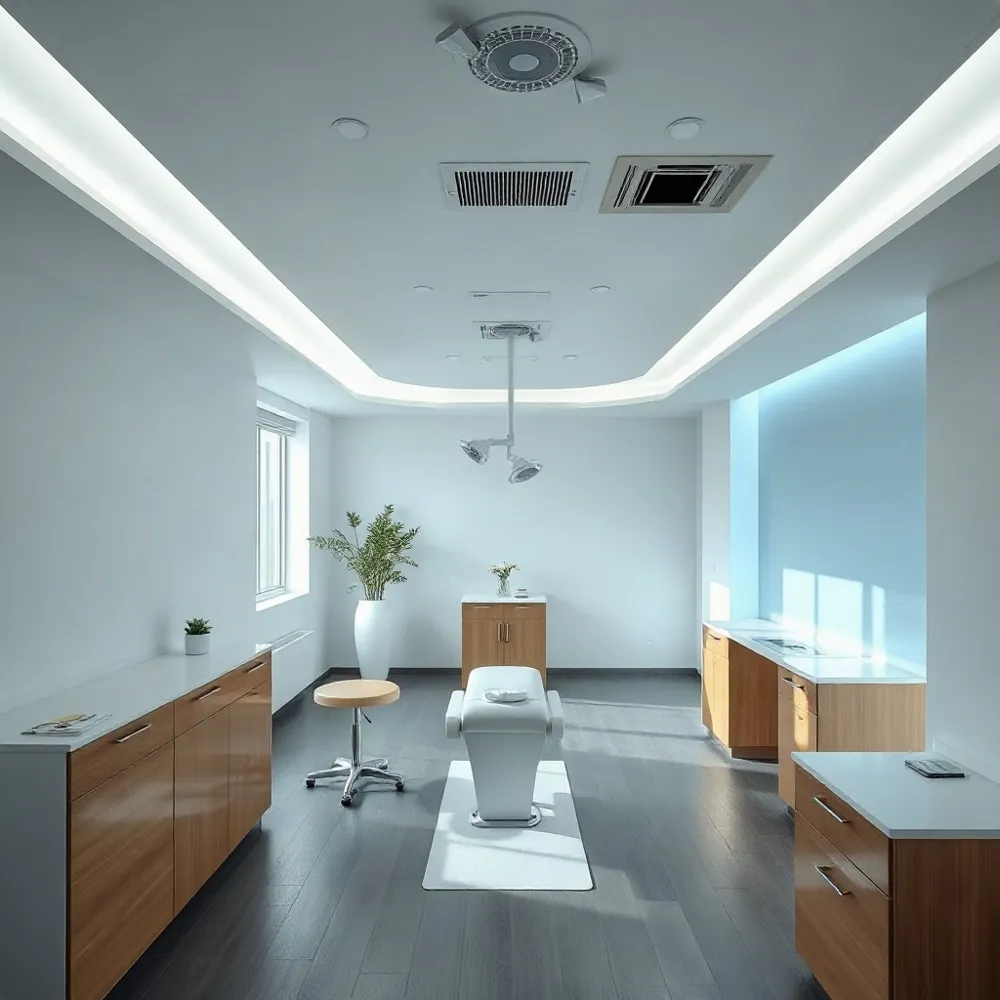 Laser skin resurfacing is an elective aesthetic investment that bridges the gap between basic skincare and surgical rejuvenation. Because it is not covered by health insurance providers, patients prioritize these treatments for their ability to deliver long-term improvements in texture, tone, and collagen density. At drmmacdonald.com, we emphasize that the value of professional care lies in its precision and tailored approach, offering results that complement your overall skincare routine.
How much does laser skin resurfacing for sun damage typically cost?
The cost of laser skin resurfacing for sun damage typically ranges from $600 to $2,000 per session, though more intensive or aggressive treatments can cost upwards of $3,000 to $8,000 depending on the scope of the procedure. This significant price variation exists because laser resurfacing is a broad category encompassing diverse technologies, including ablative, non-ablative, and fractional lasers, which impact the skin at different depths. Your final investment is also influenced by the size of the treatment area, the severity of the sun damage being addressed, and the number of sessions required to achieve your aesthetic goals.
Because each patient's needs are unique, it is essential to schedule a personalized consultation at drmmacdonald.com to receive an accurate quote tailored to your specific skin condition. By meeting with a specialist, you can develop a customized treatment plan that balances your desired results with your individual budget. A professional, multi-layered approach ensures that you are paying for technology that yields lasting clinical outcomes rather than temporary aesthetic fixes.
Maintaining a Radiant Future through Prevention
Professional treatments, such as Combination Laser Therapy, provide a powerful foundation for skin health, but long-term results depend on your daily habits. Consistent protection remains the most critical factor in preventing the recurrence of sun-related concerns like hyperpigmentation and collagen loss.
Maintaining your results requires a proactive regimen beyond the clinic. Dermatologists emphasize the daily application of broad-spectrum sunscreen with an SPF of at least 30 to shield the skin from UVA and UVB rays. Incorporating medical-grade topical antioxidants and retinoids can further support cellular turnover and defend against environmental stressors that contribute to photoaging.
At drmmacdonald.com, we believe that skin health is an ongoing commitment rather than a singular event. By pairing professional rejuvenation with a disciplined care strategy, you ensure a radiant complexion that lasts well beyond your recovery period.