Recovery Depends on the Treatment
Recovery after facial laser treatment depends on the device, treatment depth, and your individual healing response. Nonablative treatments generally involve a shorter recovery, while ablative resurfacing can cause more noticeable redness, swelling, and sensitivity.
The distinction matters because the laser approach shapes both what your skin may look and feel like and how much care it needs as it heals. After ablative resurfacing, for example, new skin typically covers the treated area within about 7 to 10 days, while full recovery may take at least a month, according to Mayo Clinic guidance on laser resurfacing. These are general estimates, not a personal forecast.
Aesthetic Surgery Center – San Francisco offers laser skin resurfacing procedures ranging from light to deep treatment. Your clinician can explain the approach being considered, likely recovery, and how it fits your skin concerns and schedule.
Aftercare also varies by treatment. Follow the specific instructions from the clinician who performs your procedure, including which products to use and when to resume your usual routine. If you are researching treatment in San Francisco or the Bay Area, ask about expected redness, time away from activities, sun protection, and when to check in if healing concerns you.
What Healing Can Look Like
 After facial laser resurfacing, skin often feels tender or sunburned and may sting or itch. Redness and swelling are also common. The intensity depends on the treatment and your individual response, so your experience may differ from someone else’s.
More intensive resurfacing can leave skin raw or oozing, with blisters or crusts. These changes can be part of the healing process, but avoid scratching, rubbing, or picking at the treated area. Disturbing crusts or peeling skin can interfere with healing and may cause scarring, as described in the American Society of Plastic Surgeons’ recovery guidance.
Dryness and peeling commonly begin about five days to one week after treatment. Let flakes and crusts come away on their own, and follow your clinician’s instructions for cleansing and any recommended skin-care products. Do not add ointments or other products unless they are part of your care plan.
For patients considering laser skin resurfacing in San Francisco, the treatment plan and recovery guidance should reflect the laser used, treatment depth, skin condition, and personal healing response. Contact your clinician if symptoms worsen or cause concern.
Healing Timelines Vary
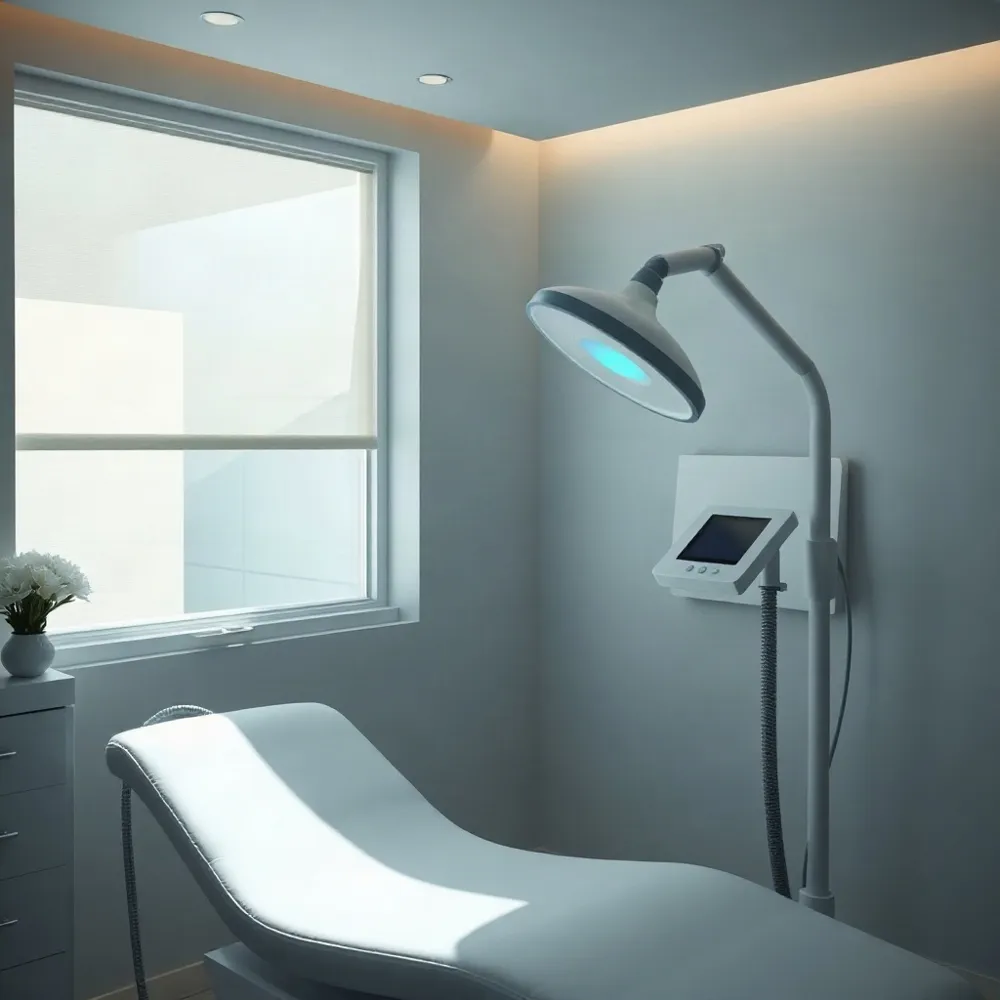 How long skin takes to heal after laser resurfacing depends on the laser, its settings, and your individual response. Nonablative treatment generally involves a shorter recovery, while ablative resurfacing removes the outer skin layer and usually takes longer; initial recovery after CO₂ treatment may take up to two weeks, compared with about one week for erbium resurfacing, according to the American Society of Plastic Surgeons.
Fractional lasers treat narrow columns of tissue while leaving nearby skin untreated. This approach may shorten recovery, but it does not set a fixed timetable: treatment depth, device settings, and how your skin responds all matter. At Aesthetic Surgery Center – San Francisco, the laser procedures offered include light-to-deep resurfacing, with treatment selected to suit the skin concern and the person.
Surface healing is not the same as a return to your usual appearance. Once peeling has ended, newly healed skin may remain pink or red for months as its color gradually settles. The Mayo Clinic’s overview of laser resurfacing explains that healing and inflammation can continue beyond the first stage of recovery.
Before treatment, ask your clinician when you can resume work, exercise, makeup, and active skin-care products. Follow the procedure-specific instructions rather than relying on a general estimate, and check before restarting retinoids or exfoliating ingredients.
Follow an Individualized Skin Care Plan
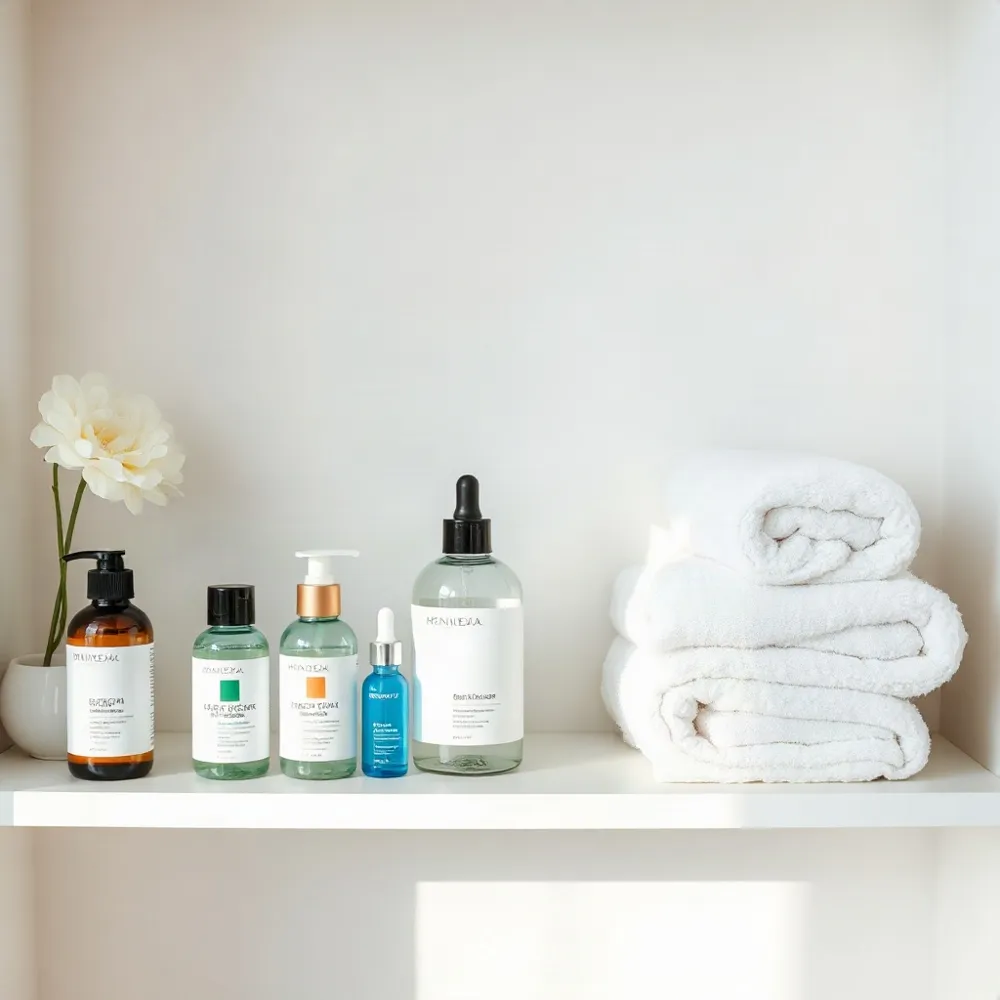 After laser resurfacing, follow the treating clinician’s aftercare plan rather than a general online routine. Cleansing methods and products can differ with the laser and treatment depth, so use only the cleansers, ointments, and moisturizers your clinician approves. The American Society of Plastic Surgeons’ recovery guidance likewise advises following the treating surgeon’s directions for cleansing and protective skin care.
Cleanse gently as instructed, and avoid rubbing, scrubbing, or picking at peeling skin. Apply protective products only as directed. A cool compress or sleeping with your head elevated may help with early swelling or discomfort, but ask your clinician how to do this safely for your treatment.
Hold retinoids, glycolic acid, exfoliants, and other products that may irritate healing skin until your clinician says they are safe to resume. Guidance from the American Society of Plastic Surgeons places the restart of Retin-A and glycolic acid at around six weeks, but the right timing depends on the procedure and your healing.
Ask when to resume makeup, strenuous exercise, swimming, and your usual skin-care routine. There is no single timeline that applies to every resurfacing treatment. For laser procedures at Aesthetic Surgery Center – San Francisco, Dr. Macdonald can discuss the treatment plan and aftercare during a consultation.
Protect Healing Skin From Irritation
After facial laser resurfacing, protect the treated area by leaving peeling skin alone, using only clinician-approved products, and waiting for clearance before applying makeup. The right precautions depend on the laser and treatment depth, so follow the care plan provided for your procedure.
Peeling and crusting can be part of healing, but picking, scratching, rubbing, or scrubbing may injure fragile skin and raise the risk of scarring or infection. The American Society of Plastic Surgeons’ recovery guidance advises gentle cleansing and use of protective products as directed by the treating surgeon. Don’t add a cleanser, ointment, or home remedy unless your clinician approves it.
Pause retinoids, exfoliating acids, and other potentially irritating skincare until your clinician says they are safe to restart. Makeup should also wait until the treated skin has healed enough for it. The timing can differ by procedure, so a general timetable may not fit your treatment.
Limit direct sun exposure while the skin heals. Shade and a hat can add protection when you need to be outdoors, but ask your clinician when to begin sunscreen on the treated area. Once the skin has healed, daily sun protection is important; Mayo Clinic’s laser resurfacing guidance recommends sunscreen with SPF 30 or higher.
Follow any activity restrictions your clinician gives you. Exercise, heat, or other activities that cause sweating or irritation may need to be limited for a period, depending on the treatment. At Aesthetic Surgery Center – San Francisco, laser skin resurfacing is tailored to the treatment plan, so aftercare should be discussed in that context. For patients in San Francisco and the Bay Area, a consultation can clarify which precautions apply to their procedure.
Recognize Possible Side Effects
Recognize Possible Side Effects
Temporary redness, swelling, tenderness, sensitivity, and peeling can occur as skin heals after facial laser resurfacing. Some people also notice changes in skin color, including darker or lighter areas. These effects vary with the treatment and the individual.
Less common problems include infection, redness that lasts longer than expected, and scarring. The risk of pigment changes can vary with skin tone; people with brown or Black skin may have a higher risk of long-term color changes. Treatment choice and settings should be considered in light of your individual skin.
Tell your clinician before treatment if you have a history of cold sores, particularly if the area around your mouth may be treated. A clinician may consider preventive steps based on your history and planned procedure. The American Society of Plastic Surgeons’ recovery guidance also advises patients to report a history of cold sores.
After treatment, contact the clinician who performed it if pain, redness, or swelling is worsening, if you notice unusual drainage, or if any symptom concerns you. Promptly describing what has changed helps your care team advise you; do not rely on general online guidance to assess a possible complication.
At Aesthetic Surgery Center – San Francisco, laser treatment is part of a broader facial skin-care practice, with options ranging from light to deeper resurfacing. Dr. Macdonald, who is double board-certified in facial plastic surgery and otolaryngology (ENT), can discuss the planned treatment and recovery considerations with you during a consultation. To ask about laser skin resurfacing, book a consultation or call (415) 956-3223.
Frequently Asked Questions
Answers depend on the laser and your healing progress. Follow your clinician’s instructions if they differ from these general points.
How long can redness last after resurfacing?
Pinkness commonly fades over two to three months, but it may last longer for some people. Continue protecting healing skin from sun exposure as directed. The American Society of Plastic Surgeons’ recovery guidance notes that pinkness can sometimes persist for up to a year.
When can I wear makeup again?
Wait until the treated skin has healed and your clinician approves makeup. Timing varies with the treatment and your recovery; applying cosmetics too soon may irritate vulnerable skin.
Do I need sunscreen after the skin heals?
Yes. Daily sun protection remains important after resurfacing. Ask your clinician when to begin sunscreen and which product is appropriate for your skin. The Mayo Clinic’s laser resurfacing guidance recommends ongoing sun protection after treatment.
For individualized guidance about laser skin resurfacing, book a consultation at drmmacdonald.com or call (415) 956-3223.
Plan Recovery With Your Clinician
Recovery after laser resurfacing depends on the device, treatment depth, and your individual healing response. General timelines can help you plan, but your treating clinician’s instructions should guide cleansing, skin care, sun protection, and when to resume normal activities.
At Aesthetic Surgery Center – San Francisco, laser treatments range from light to deep resurfacing, so the aftercare plan should reflect the procedure performed rather than a one-size-fits-all schedule. You can explore the practice’s laser procedures and discuss which approach fits your skin and goals.
If your symptoms worsen or differ from what your clinician described, contact the care team for advice instead of changing your routine on your own. Patients in San Francisco and the Bay Area can book a consultation or call (415) 956-3223 to discuss treatment and recovery planning.