Introduction to Rhinoplasty Consultations
Purpose of Rhinoplasty Consultation
A rhinoplasty consultation serves as a vital first step for patients seeking nose reshaping surgery. It provides an opportunity to discuss both aesthetic goals, such as improving nasal profile and symmetry, and functional concerns like enhancing breathing. This detailed dialogue ensures the expectations and possibilities are clearly understood.
Importance of Surgeon Selection and Preparation
Choosing a qualified, board-certified rhinoplasty surgeon is critical for safety and satisfying results. Patients are encouraged to research surgeon credentials, review portfolios of before-and-after photos, and gather testimonials. Preparing a comprehensive medical history and formulating specific questions helps tailor the treatment plan.
Overview of Consultation Process
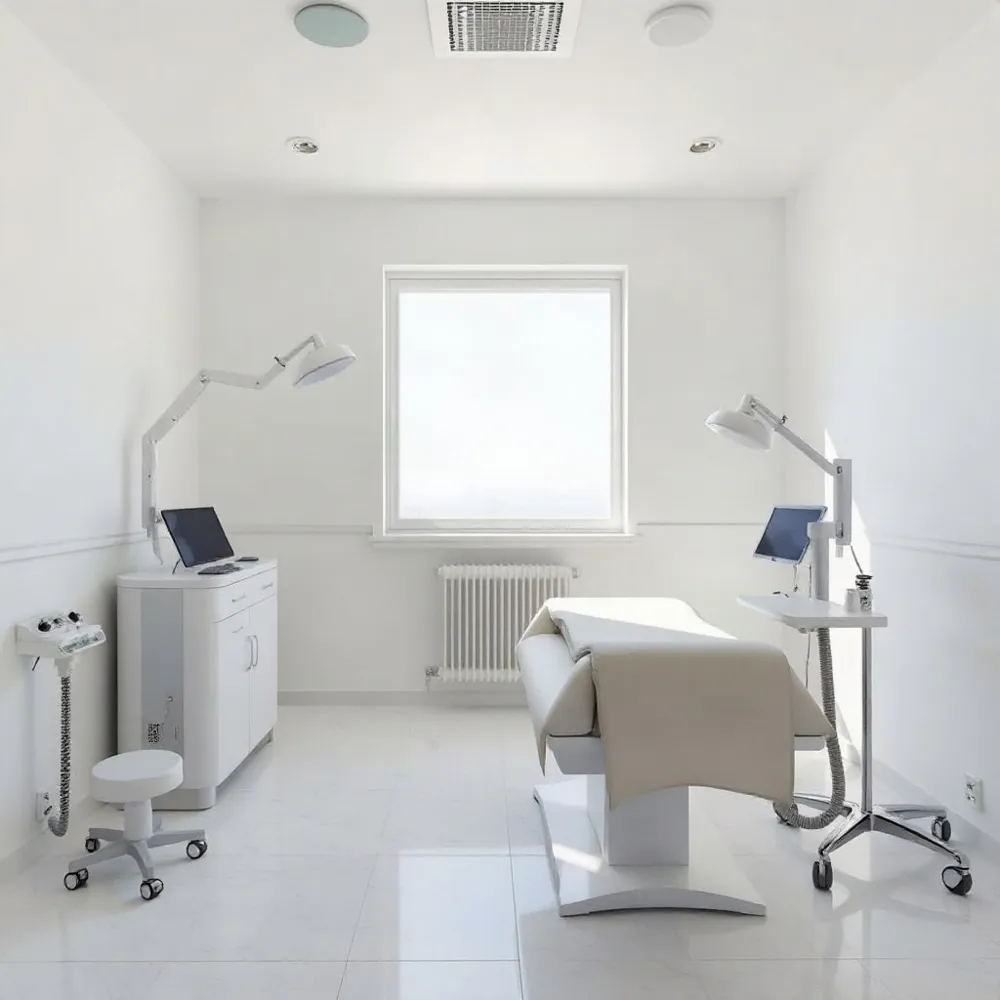
During the appointment, the surgeon performs a thorough physical examination of the nasal structure and reviews the patient’s health background. Imaging or simulation technologies may be utilized to preview potential outcomes. Discussions cover surgical approaches, recovery timelines, risks, and expected results, making clear communication and honesty essential to plan a successful procedure.
Preparing for Your Rhinoplasty Consultation

Researching surgeon credentials and experience
Selecting a qualified surgeon is the foundation of a successful rhinoplasty. Aim for a board-certified plastic surgeon or a specialist with Otolaryngology (ENT) training for rhinoplasty who focuses extensively on rhinoplasty. Reviewing before-and-after rhinoplasty photos, Reading patient testimonials for surgeon reputation, and the surgeon’s portfolio helps assess their skill and aesthetic style. It’s advisable to confirm certifications through recognized boards like the American Board of Plastic Surgery, and to understand their surgical approach, whether open rhinoplasty or closed rhinoplasty, to ensure it matches your needs.
Gathering medical history and visual aids
Prepare a comprehensive Medical history for rhinoplasty detailing previous nasal surgeries, breathing difficulties, allergies, medications, and any other relevant health conditions. This allows the surgeon to design a safe, personalized surgical plan. Bringing photos or Imaging and simulations in rhinoplasty of noses that reflect your aesthetic goals enhances communication and helps align expectations. Imaging technologies used by surgeons often build on these visual aids to preview possible outcomes.
Formulating questions for the surgeon
Formulate detailed questions to discuss during your consultation. Key topics include the Surgeon's training background, experience specifically in rhinoplasty, recommended surgical techniques including the open vs. closed rhinoplasty approaches, expected recovery timeline, potential risks and complication rates, and the possibility of revision procedures if needed. Ask about how functional issues like breathing will be addressed, and clarify costs, insurance coverage for functional components, and post-operative care (Questions to Ask During a Rhinoplasty Consultation).
Planning recovery logistics and support
Recovery planning is essential for effective healing. Arrange time off work, ensuring at least a week for the initial rest period, and organize assistance at home for daily activities. Avoid medications and supplements that could impair healing—such as NSAIDs, aspirin, and certain herbs—as advised by your surgeon before the operation (Preparing for Your Rhinoplasty Consultation). Wearing comfortable clothing on appointment and surgery days, and possibly Bringing support persons to consultation, can aid comfort and emotional support.
How should I prepare for a rhinoplasty consultation?
To prepare, Preparing for Your Rhinoplasty Consultation to understand its goals and recovery. Choose a board-certified rhinoplasty surgeon with proven rhinoplasty experience. Compile your medical history for rhinoplasty planning, clearly define your aesthetic and functional objectives, and bring visual references. Prepare a list of questions to ask at your rhinoplasty consultation about surgical methods, recovery expectations, risks, and surgeon credentials. Finally, arrange for your post-surgery recovery logistics, including time off and home support, while following any preoperative instructions to avoid blood-thinning medications or supplements (Rhinoplasty consultation preparation.
What Happens During the Consultation? A Step-by-Step Overview
Medical History Review and Physical Nasal Examination
The rhinoplasty consultation process begins with a thorough review of your medical history, covering previous surgeries, current medications, allergies, and any medical conditions. This information ensures surgical safety and helps customize your procedure. The surgeon will then conduct a detailed Physical examination in rhinoplasty consultation, assessing both internal and external structures, including skin thickness and cartilage condition.
Discussion of Aesthetic and Functional Goals
You'll discuss your aesthetic desires—whether it's refining the nasal tip, correcting asymmetry, or improving your profile. Functional benefits of rhinoplasty such as enhancing breathing by addressing issues like a deviated septum will also be a key focus. This open dialogue allows the surgeon to understand your expectations and align them with achievable outcomes.
Use of Imaging and Simulation Tools
To help visualize potential results, many surgeons employ digital imaging and simulation software. Photos taken from various angles may be manipulated to demonstrate the anticipated post-surgical appearance. This interactive approach assists in setting realistic expectations for rhinoplasty and facilitates clearer communication between you and the surgeon.
Explanation of Surgical Approaches and Safety Measures
The surgeon will explain the choice between open rhinoplasty and closed rhinoplasty techniques based on your specific needs. Open rhinoplasty offers better visualization for major reshaping, while closed rhinoplasty involves incisions inside the nostrils for more minor adjustments. Safety measures, including General anesthesia for rhinoplasty, preoperative instructions (such as avoiding certain medications and supplements), and the facility's accreditation, will also be discussed to ensure patient safety and comfort.
What Should I Expect During a Rhinoplasty Consultation?
During a rhinoplasty consultation, the surgeon assesses your medical background and nasal anatomy while discussing your aesthetic and breathing concerns. You'll receive a personalized rhinoplasty treatment plan that may include both cosmetic enhancements and functional improvements. Preoperative preparation guidelines and rhinoplasty recovery timeline, such as swelling, bruising, and healing timelines, will be reviewed. Importance will be placed on choosing a board-certified rhinoplasty surgeon and maintaining realistic expectations. Overall, the consultation is designed to inform, reassure, and prepare you for a successful surgical experience.
Key Questions to Ask Your Surgeon

What important questions should I ask my surgeon before undergoing rhinoplasty?
Before undergoing rhinoplasty, it is essential to inquire about your surgeon's qualifications and experience. Confirm that the surgeon is board-certified by a recognized body such as the American Board of Cosmetic Surgery or the American Board of Plastic Surgery, as these certifications prove rigorous training and ongoing evaluations. Ask about the surgical facility’s accreditation to ensure procedures are performed in a safe, fully equipped environment.
Discuss the surgeon’s specific experience with rhinoplasty, and review before-and-after photos to set realistic expectations regarding the outcome. Ask about the potential benefits of the procedure along with the risks and complications. Clarify the expected recovery timeline and any preoperative preparations, such as health assessments or restrictions.
Explore non-surgical alternatives that might suit your needs and confirm the total costs involved, including anesthesia and facility fees to make an informed decision aligned with your aesthetic and functional goals.
What questions should I ask during a rhinoplasty consultation?
In your consultation, inquire if you are a good candidate based on your medical history and aesthetic goals. Confirm the surgeon’s board certification and membership in professional organizations like the American Society of Plastic Surgeons, which stress safety and quality care.
Request explanations about the surgical techniques that will be used—whether open or closed rhinoplasty—and why they are appropriate for your case. Discuss the details of the procedure, what recovery entails, and possible risks or complications.
Ask to view before-and-after photos of patients with similar concerns to assess the surgeon’s results. Make sure to cover functional aspects by discussing how the surgery can improve breathing or correct structural issues, alongside cosmetic improvements. Finally, understand all safety measures, recovery timelines, and required pre- and post-operative preparations to ensure a smooth healing process.
Understanding Candidacy and Surgical Techniques

Who is a good candidate for rhinoplasty?
Good candidates for rhinoplasty are individuals who are physically healthy and have completed their facial growth, which typically occurs around ages 15-17 for females and 18 for males. Non-smokers are preferred to ensure optimal healing post-surgery. Candidates should have realistic expectations and seek improvement for personal reasons, whether to enhance aesthetics or correct functional issues such as breathing difficulties. The ideal candidate undergoes a thorough consultation with a board-certified facial plastic surgeon to evaluate nasal anatomy, medical history, and individual goals. Rhinoplasty can address concerns like nasal size, shape, asymmetry, and functional problems such as a deviated septum. Emotional readiness for recovery and a commitment to the procedure for oneself underpin a successful surgery outcome.
What is the difference between open and closed rhinoplasty?
Open rhinoplasty involves an external incision made across the columella, the tissue between the nostrils. This approach offers the surgeon complete visualization of nasal structures, allowing for precise and complex modifications, especially useful in reconstructive or major reshaping cases. It may result in a small, usually fading scar and a longer recovery period due to more swelling.
In contrast, closed rhinoplasty uses incisions exclusively inside the nostrils, eliminating visible scars and generally allowing a quicker recovery. While less invasive, it provides more limited access and visualization, making it suitable for minor or moderate nasal corrections. The choice of technique is tailored to the patient's specific anatomical and aesthetic needs and should be decided collaboratively with an experienced surgeon. For additional details on the two methods, see our coverage of the open rhinoplasty and closed rhinoplasty approaches.
What surgical techniques are commonly used in rhinoplasty?
During rhinoplasty, surgeons employ various techniques such as:
- Cartilage grafting: Utilizing cartilage from the septum, ear, or rib to reshape or support nasal structure.
- Bone reshaping: Adjusting nasal bone contours to smooth humps or refine width.
- Tip modification: Refining or lifting the nasal tip for better proportion.
- Septoplasty: Correcting a deviated septum to improve breathing, often combined with cosmetic changes.
These methods are combined carefully based on the patient’s unique anatomy and goals to achieve both functional improvement and aesthetic harmony.
Recovery Expectations and Potential Risks
What can I expect regarding results and recovery after rhinoplasty?
After rhinoplasty, patients typically experience swelling and bruising around the nose and eyes. This initial swelling usually decreases substantially within the first 1-2 months. However, some residual swelling, particularly at the nasal tip, may take 6-8 months or even up to two years to fully subside. While visible improvements emerge fairly quickly, the final refined nasal shape generally becomes apparent after about one year as the nose continues its gentle reshaping process. For more details, see Rhinoplasty recovery timeline.
Results from rhinoplasty are considered long-lasting. Nonetheless, subtle changes can occur over time due to aging and external factors. Maintaining a healthy lifestyle and protecting the skin from sun exposure can help prolong surgical outcomes. It’s important to understand that results depend on individual factors such as nasal anatomy, skin thickness, and the surgeon’s technique. Preoperative digital simulations usually estimate a 70-80% predictability of final appearance. Adhering closely to your surgeon’s postoperative instructions and attending regular follow-up appointments are critical for optimal healing and satisfaction. Learn more about setting realistic rhinoplasty outcomes and post-surgery follow-up visits.
What are the risks and potential complications of rhinoplasty?
Rhinoplasty carries risks which, although uncommon, should be acknowledged. These include bleeding, infection, and adverse anesthesia reactions. Patients may also experience altered nasal sensation, breathing difficulties, or uneven nasal contours. Scarring and the need for revision surgery to improve aesthetic or functional results are possible but not frequent. For a detailed overview, consult the Rhinoplasty risks and complications and risks and complications of rhinoplasty.
Severe complications such as septal perforation or significant asymmetry are rare but can occur. Many risks can be minimized by selecting an experienced, board-certified rhinoplasty surgeon with specialized rhinoplasty training. Using thorough surgical planning, including imaging and physical examination, helps set realistic patient expectations and ensures safe outcomes. Prior to surgery, discussing every concern and risk with your surgeon is essential for informed decision-making and achieving a successful rhinoplasty experience. See also questions to ask during a rhinoplasty consultation.
Final Thoughts on Your Rhinoplasty Consultation
Importance of Thorough Preparation and Open Communication
Preparing well for your rhinoplasty consultation involves gathering your medical history, articulating your aesthetic and functional goals, and preparing thoughtful questions. Honest dialogue during the consultation ensures a tailored surgical plan that addresses your unique needs.
Selecting a Qualified Surgeon for Optimal Results
Choosing a board-certified rhinoplasty surgeon with extensive experience and a strong track record of successful cases is essential. Review before-and-after photos, verify credentials, and ensure the surgeon prioritizes both cosmetic and functional outcomes.
Emphasizing Realistic Expectations and Patient Education
Setting practical expectations is critical; healing and individual anatomy influence results. Your surgeon should educate you about potential risks, recovery timelines, and the realistic scope of improvement, promoting satisfaction throughout your rhinoplasty journey.