Understanding Natural-Looking Rhinoplasty: Beyond the Nose
Defining Natural-Looking Rhinoplasty
Natural-looking rhinoplasty aims to subtly enhance the nose to complement and harmonize with the overall facial features rather than drastically changing its appearance. The focus is on creating a nose that fits seamlessly with the individual's unique anatomy, preserving ethnic characteristics and maintaining a balanced profile.
Importance of Facial Harmony
Achieving natural results requires considering the entire face, including the forehead, cheeks, chin, jawline, and how the nose relates to these structures. Facial balance is evaluated by measuring facial dimensions and angles such as the nasolabial angle and nasal tip projection. This comprehensive approach ensures that the new nose looks proportional and integrated with the rest of the face.
Overview of Rhinoplasty Goals
The primary objectives are to improve nasal function—such as breathing—and correct aesthetic concerns like bulbous tips, dorsal humps, or nostril asymmetry. Rather than seeking perfect symmetry, rhinoplasty enhances facial balance and respects natural asymmetries that contribute character. Structural support through cartilage preservation or grafting is critical for long-lasting, natural outcomes.
Together, these principles guide expert surgeons in crafting results that look both beautiful and authentic, emphasizing subtlety, sustainability, and patient individuality.
Techniques and Types of Rhinoplasty for Natural Results

What types of rhinoplasty procedures exist and how do they differ?
Rhinoplasty mainly includes Open rhinoplasty and Closed rhinoplasty techniques. Closed rhinoplasty, often called the “Scarless incisions in rhinoplasty,” involves incisions inside the nostrils with no external scars, resulting in minimal visible signs of surgery. Open rhinoplasty uses a small incision on the columella, allowing enhanced visibility and precision, suited for complex reshaping. Both aim for Natural-Looking Rhinoplasty tailored to individual facial features and aesthetic goals.
What is ultrasonic rhinoplasty and how does it compare to traditional methods?
Ultrasonic rhinoplasty employs high-frequency sound waves via a piezotome device to precisely reshape nasal bones and cartilage. This minimally invasive rhinoplasty benefits method produces less bleeding, swelling, and bruising than traditional techniques, enabling faster recovery and more controlled, Natural-Looking Rhinoplasty. Incisions are usually hidden inside the nose, making it a superior option for precision and reduced tissue trauma.
What is ethnic rhinoplasty and how does it differ from traditional rhinoplasty?
Ethnic rhinoplasty considerations tailors surgery to preserve and enhance ethnic features such as thicker skin or wider nasal bases common in African, Asian, or Hispanic patients. Unlike traditional rhinoplasty that may aim for generalized Western ideals, ethnic rhinoplasty respects cultural identity by focusing on subtle refinements to maintain Facial Balance in Rhinoplasty and individuality.
What does minimally invasive rhinoplasty involve?
Minimally invasive rhinoplasty uses small internal incisions and specialized delicate tools like endoscopes for minimal tissue disruption. This approach reduces swelling, bruising, and shortens recovery time. It also enhances breathing immediately after surgery due to less packing and trauma. Patients benefit from detailed visualization and personalized shaping while avoiding extensive surgical disruption. Learn more about Minimally Invasive Rhinoplasty Techniques.
What is the easiest or least invasive rhinoplasty procedure currently available?
The least invasive option is Minimal Intervention Rhinoplasty, which reshapes the nose primarily using cartilage grafts and sometimes silicone implants, minimizing surgical disruption. It is ideal for subtle changes such as increasing nose height or refining the tip while maintaining natural angles and Facial Balance in Rhinoplasty. The outpatient procedure lasts around two hours with a brief recovery of about 10 days, offering safe, Preservation Rhinoplasty results with minimal downtime.
| Procedure Type | Key Features | Benefits |
|---|---|---|
| Open Rhinoplasty | Incision on columella, detailed access | Precise, suitable for complex cases |
| Closed Rhinoplasty | Incisions inside nostrils, no visible scars | Scarless, less invasive |
| Ultrasonic Rhinoplasty | High-frequency sound waves reshape bone | Less trauma, faster recovery |
| Ethnic Rhinoplasty | Customized to ethnic anatomy | Preserves cultural identity |
| Minimally Invasive Rhinoplasty | Small incisions, advanced instruments | Reduced swelling, quick healing |
| Minimal Intervention Rhinoplasty | Minimal disruption, cartilage-based reshaping | Subtle, safe, fast recovery |
Defining Natural-Looking Rhinoplasty: Artistic Vision and Structural Harmony
What defines a natural-looking rhinoplasty?
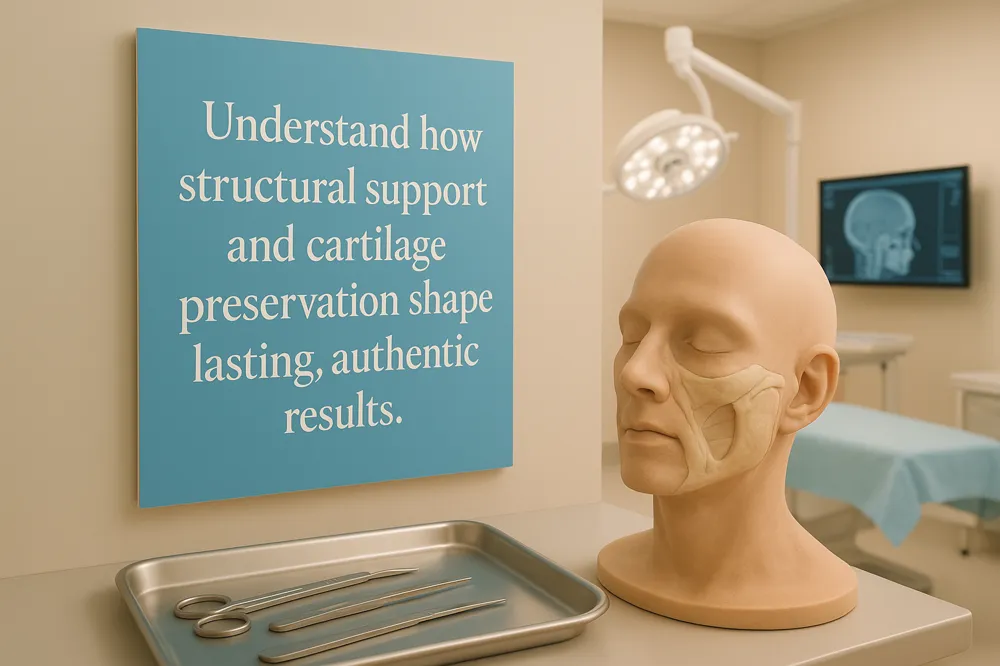
A Natural-Looking Rhinoplasty results in a nose that appears harmonious with the rest of the face, seemingly as if it was naturally born to the individual. The ideal outcome presents Smooth Nose Contours, even surface free from bumps or irregularities, which avoids unnatural shadows or highlights. Typically, the nose shape is a softly rounded triangular form with gentle angles, a straight or slightly sloped bridge, and nostrils that align smoothly from the tip to the base. Skilled surgeons use precise cartilage grafting and Preserving Nasal Cartilage preservation techniques to maintain this harmony and ensure lasting Structural Support in Nose Surgery.
Why is facial balance in rhinoplasty and proportion critical?
Facial Balance in Rhinoplasty is fundamental in rhinoplasty. Surgeons evaluate the interplay of facial features such as the forehead, cheeks, chin, jawline, and nasal proportions, ensuring the nose complements rather than dominates the face. Harmonious Nose and Face features avoid the appearance of an artificial or out-of-place nose. There are No Fixed Nose Ratios or Angles, as personal facial dimensions and ethnic characteristics guide the ideal shape, underscoring the importance of tailoring to each individual's unique anatomy.
How does structural support and cartilage preservation affect results?
Strong internal support through Preserving Nasal Cartilage and reinforcement is vital for rhinoplasty success. Maintaining and sometimes grafting cartilage prevents long-term nasal deformities like collapse or pinching that can arise if Nose Structural Soundness is compromised. This enhances the durability of the result, allowing natural contours to persist over time while preserving the functional aspects such as Nasal Airflow and Breathing.
Why is avoiding over-reduction and an artificial look important?
Over-reduction of cartilage or excessive removal disturbs nasal balance, resulting in a 'pinched' or overly sculpted appearance that looks operated on rather than natural. Gentle, smooth contouring from the nasal bridge to tip maintains the nose's softness and prevents sharp or harsh lines. Avoiding drastic alterations helps retain individual nasal characteristics, including Maintaining Ethnic Features and skin thickness traits, essential for authentic and personalized outcomes.
What role does the surgeon’s artistic eye in rhinoplasty and patient communication play?
The surgeon’s Artistic Eye in Rhinoplasty is crucial, recognizing subtle anatomical nuances and visualizing harmonious facial relationships. An experienced surgeon evaluates facial proportions and tailors the approach to meet aesthetic goals. Effective communication between patient and surgeon, focusing on Objective Communication with Surgeon rather than vague descriptors like 'natural,' ensures aligned expectations. Digital imaging and thorough consultations facilitate understanding and planning, leading to personalized, satisfying, and Natural Rhinoplasty Outcomes.
Patient Candidacy, Expectations, and Visualizing Results
What Are the Candidacy Requirements for Rhinoplasty?
[Candidates for Rhinoplasty] typically need to be physically mature, usually girls around 15-17 years and boys slightly older, to ensure nasal and facial bones have fully developed. Good overall health is essential; conditions like uncontrolled diabetes or bleeding disorders can exclude patients from surgery. Smoking cessation is often required pre- and post-operation to promote proper healing. Emotional maturity and realistic expectations about outcomes are equally important for successful satisfaction.
Why Are Realistic Expectations Important?
[Rhinoplasty aims to enhance facial harmony] rather than produce perfection. Patients should understand that subtle refinements—not drastic changes—often create the most [natural and pleasing results]. Setting practical goals during consultation helps avoid disappointment and ensures satisfaction. Surgery can improve appearance and function but cannot guarantee absolute perfection or complete symmetry.
How Is the Consultation and Preoperative Planning Conducted?
An in-depth [consultation] is critical, covering medical history, aesthetic goals, and any functional concerns. Experienced surgeons use [objective language] and analyze facial proportions—including forehead, cheeks, chin, and jawline—to design a nose that harmonizes well. They also evaluate nasal anatomy such as cartilage strength and skin type to customize the surgical plan.
How Can Someone Predict or Visualize What They Might Look Like After a Rhinoplasty?
Professional [digital imaging software] during consultation provides a precise, tailored preview of potential results by altering a 3D model of the patient's nose. This visualization fosters clear communication and helps align surgical goals with patient expectations. While mobile apps may offer rough estimates, clinic-grade imaging is more accurate and based on anatomical details, enhancing decision-making confidence.
How Does Communication Help Align Patient and Surgeon Goals?
Clear, objective discussion based on digital imaging and facial analysis ensures both surgeon and patient understand desired outcomes. Patients are encouraged to express specific dislikes rather than vague terms like "natural" or "cute." Surgeons guide patients toward realistic, harmonious results aligned with individual features and ethnic considerations. This thorough dialogue fosters mutual understanding and improves post-surgical satisfaction through [Patient Satisfaction in Rhinoplasty].
Recovery, Longevity, and Potential Challenges in Rhinoplasty
What is the typical recovery experience and difficult days?
Recovery from Rhinoplasty Procedure usually involves wearing nasal splints and bandages for about a week. The most challenging day often occurs when these external splints and adhesives are removed. This period can be uncomfortable because swelling and bruising tend to peak, and patients might experience increased tenderness or tightness. Emotional reactions are common, as patients see early results that may still look swollen or tender. Nasal congestion, dryness, and discomfort are typical during healing. Most bruising and swelling subside within 10 to 14 days, with a gradual return to normal activities usually around 2 to 3 weeks. However, final results can take up to a year to fully develop as subtle contour changes continue. For detailed insights into the Rhinoplasty recovery process, consider this resource.
How stable are rhinoplasty results over the long term, and how does the nose age?
Rhinoplasty provides permanent structural changes, including bone and cartilage reshaping. When performed by skilled surgeons, results can remain stable and natural for decades. Over 20 years, the nose will age similarly to other facial features, affected by skin thinning, reduced elasticity, and minor structural shifts. Lifestyle factors like sun exposure, smoking, and facial trauma may influence the aging nose. Slight drooping or thinning of the nasal skin can become evident, but the nose typically maintains the harmony and shape shaped by the surgery. Proper Structural Support in Rhinoplasty created during surgery is critical to maintaining the result and preventing deformities like collapse or pinching over time.
What are the potential downsides and risks of rhinoplasty?
Like all surgeries, rhinoplasty carries risks such as infection, bleeding, adverse anesthesia effects, and prolonged swelling or bruising. Some patients may develop nasal breathing difficulties or internal collapse if structural support is insufficient. Dissatisfaction with appearance may lead to revision surgery. Postoperative discomfort, congestion, and dryness are common. Non-surgical rhinoplasty overview with dermal fillers offers temporary improvements but risks include swelling, vascular complications, or breathing impairment if done improperly. Choosing an experienced, board-certified facial plastic surgeon significantly reduces risks. Learn more about the Functional and Aesthetic Rhinoplasty benefits and challenges.
Why is postoperative care and surgeon expertise important?
Adhering to post-op instructions—such as avoiding smoking, alcohol, sun exposure, and strenuous activity—is essential for optimal healing and stable, natural results. Skilled surgeons use Advanced Rhinoplasty Techniques to preserve or reinforce cartilage and maintain nasal structure, reducing complications and ensuring longevity. Thorough consultations that set realistic expectations and involve detailed Objective Communication with Surgeon planning also contribute to patient satisfaction. Surgeon experience in facial anatomy and aesthetic balance is crucial for achieving outcomes that harmonize naturally with a patient’s face and stand the test of time. For more on the importance of Choosing the Right Surgeon and postoperative care, visit this link.
Non-Surgical Rhinoplasty: Temporary Enhancements and Safety Considerations
How can a non-surgical nose job work to improve the appearance of the nose?
A Nonsurgical rhinoplasty overview, also known as liquid rhinoplasty, works by using injectable dermal fillers—commonly hyaluronic acid—to make temporary enhancements to the nose's shape and contour. This minimally invasive procedure can effectively smooth out bumps, add volume to lift the nasal tip, straighten a subtly crooked nose, and camouflage imperfections without surgery. The treatment typically takes under 45 minutes in an office setting, allowing patients to see immediate improvements and resume normal activities right away.
Advantages and limitations
Non-surgical rhinoplasty offers several benefits, including no incisions, no scarring, and minimal recovery time. It is reversible and allows patients to test potential aesthetic refinements before deciding on permanent surgery. However, it is important to note the limitations: non-surgical procedures cannot reduce the size of the nose or narrow broad nasal bones. The results are temporary, lasting up to six months or longer depending on the filler used, requiring repeat treatments to maintain the appearance.
Safety precautions
While Nonsurgical rhinoplasty recovery is generally safe when performed by licensed, experienced professionals, there are potential risks. Common side effects include redness, swelling, and bruising which typically resolve within days. More serious complications, although rare, can include vascular occlusion or tissue necrosis, emphasizing the need for precise injection techniques and thorough knowledge of nasal anatomy to ensure patient safety. Patients should promptly consult their provider if they experience symptoms like blurred vision, severe swelling, or allergic reactions.
Comparison with surgical rhinoplasty
Unlike Rhinoplasty surgical modification, which permanently alters the nasal bones and cartilage through incisions and reshaping, Non-surgical nose jobs offer a temporary, less invasive alternative primarily focused on subtle contour enhancements rather than comprehensive structural changes. Surgical rhinoplasty can address both aesthetic and functional issues such as breathing difficulties, and provides long-lasting results, but requires downtime, splinting, and longer recovery. The choice between procedures depends on individual goals, the extent of changes desired, and personal health considerations.
Personalized Expertise: The Key to Natural Rhinoplasty Success
Importance of Choosing Experienced Board-Certified Surgeons
Selecting a highly trained, board-certified facial plastic surgeon is essential for achieving natural rhinoplasty results. Experts bring refined anatomical knowledge and artistic judgment, ensuring subtle enhancements that blend seamlessly with facial features. Their extensive experience allows them to tailor techniques that preserve structural support and ethnic characteristics, crucial for long-term durability and appearance.
Role of Personalized Consultation and Surgical Planning
A thorough consultation sets the foundation for successful outcomes. Personalized planning considers individual facial proportions, cartilage strength, and aesthetic preferences. Surgeons use objective communication, digital imaging, and detailed facial analysis to align expectations and design procedures that enhance facial harmony, avoiding drastic changes while maintaining personal identity.
Balancing Aesthetic and Functional Outcomes
Natural rhinoplasty prioritizes both beauty and nasal function. By carefully preserving or improving internal support and airflow, surgeons address breathing issues alongside cosmetic goals. This comprehensive approach not only enhances the nose’s appearance but also promotes patient comfort and wellbeing.
Ensuring Patient Satisfaction
Effective communication and realistic expectations foster satisfaction. Detailed pre- and post-operative instructions support smooth recovery. Continuous follow-up and adjustments ensure that the results meet the patient’s goals while maintaining a natural, balanced look that integrates flawlessly with their unique facial structure.