Understanding Hyperpigmentation and Laser Solutions
Hyperpigmentation describes patches of skin that darken due to an overproduction of melanin, the pigment responsible for skin color. This common condition can appear as brown, black, gray, or pink spots and is generally harmless but can be a significant cosmetic concern.
The most frequently encountered types of hyperpigmentation include melasma, age spots (also called solar lentigines or sun spots), and post-inflammatory hyperpigmentation (PIH). Melasma is often driven by hormonal changes and typically appears on the face. Age spots result from cumulative sun exposure and are common on the hands, face, and chest. PIH forms after skin injury such as acne, eczema, or a surgical procedure, and it is more prevalent in individuals with deeper skin tones.
For those seeking an effective solution, laser therapy has emerged as a well-established and relatively safe treatment option. According to research, advanced laser technologies can precisely target melanin clusters, breaking down pigment while minimizing damage to the surrounding skin. This approach offers a powerful alternative to topical creams, which often produce limited results.
Causes and Types of Pigmentation
 Hyperpigmentation occurs when the body produces excess melanin, the pigment that gives skin its color. This overproduction can be triggered by a range of factors, from sun exposure and hormonal shifts to skin injuries and certain medications. The three most common forms are melasma, age spots, and post-inflammatory hyperpigmentation (PIH), each with distinct causes and characteristics.
Melasma. Often appears as brown or gray-brown patches on the face, particularly the cheeks, forehead, and upper lip. It is strongly linked to hormonal changes, which is why it frequently emerges during pregnancy ('pregnancy mask') or with the use of oral contraceptives. Melasma is most common in women and can be stubborn to treat, often requiring ongoing management.
Age Spots (Solar Lentigines). Also called sun spots or liver spots, these are flat, brown spots that develop on sun-exposed areas like the face, hands, shoulders, and forearms. They result from cumulative ultraviolet (UV) damage over many years and are most common in people over 40. Unlike melasma, age spots are discrete and do not typically fade on their own, as noted in research on laser treatments for benign pigmented lesions.
Post-Inflammatory Hyperpigmentation (PIH). This type develops as a direct response to skin injury or inflammation, such as acne, eczema, burns, or even aggressive skincare procedures. The skin produces extra melanin in the affected area as part of its healing process. People with deeper skin tones (Fitzpatrick type III and above) are more prone to PIH because their melanocytes are more reactive to trauma.
Beyond these three main types, other triggers include certain medications that increase light sensitivity, thyroid and adrenal disorders, and genetic predisposition (such as a family history of freckles). Deficiencies in vitamins like B12 and folic acid can also contribute. At drmmacdonald.com, a comprehensive consultation helps identify the specific type and underlying cause of pigmentation, guiding the selection of the safest and most effective treatment pathway.
How Laser Therapy Targets Dark Spots
Laser therapy works by exploiting a principle called selective photothermolysis. Lasers emit a specific wavelength of light that is preferentially absorbed by melanin, the pigment responsible for dark spots. This targeted absorption allows the laser to concentrate its energy on the pigmented cells while largely sparing the surrounding healthy skin.
Once absorbed, the light energy converts to heat. This thermal energy is sufficient to shatter the melanin clusters within the pigmented cells into tiny fragments. This process effectively neutralizes the visible dark spot at the cellular level.
The body's natural biological processes then take over. The fragmented pigment particles are recognized as waste and are gradually cleared away by the lymphatic system and other cellular mechanisms. Over the days and weeks following treatment, the dark spot fades as this clearance occurs, revealing clearer skin beneath.
Non-Ablative vs. Ablative Approaches
Laser treatments fall into two broad categories, each with distinct mechanisms and recovery profiles. An ablative laser removes the outer layer of skin (epidermis) in a controlled manner, vaporizing the pigmented cells directly. This approach is highly effective for significant sun damage and age spots but involves more downtime as the skin heals and regenerates.
Non-ablative lasers, such as the Q-switched Nd:YAG and many fractional lasers, leave the skin's surface intact. They penetrate deeper into the dermis to target melanin clusters with heat, fragmenting the pigment without removing the top layer. This results in faster healing and lower risk, making it a preferred choice for darker skin types and for conditions like melasma.
Selecting the Right Wavelength
Choosing the correct wavelength and device is critical for safe and effective treatment. Shorter wavelengths, such as the 532 nm from a Q-switched Nd:YAG laser, are effective for superficial pigmentation like freckles. Longer wavelengths, like the 1064 nm Nd:YAG, penetrate deeper and are a safer option for darker Fitzpatrick skin types (IV-VI) because they bypass surface melanin, reducing the risk of unintended hypopigmentation or burns. A consultation with a skilled provider, such as those at the Aesthetic Surgery Center, is the best way to match a technology to a patient's specific skin concerns.
| Mechanism | Wavelength Type | Best For |
|---|---|---|
| Selective photothermolysis | Variable by laser | Targeting melanin with precision |
| Ablative resurfacing | Erbium, CO2 | Significant sun damage, texture |
| Non-ablative targeting | Nd:YAG, PicoWay, Fractional | Melasma, PIH, deeper tones |
| Pigment fragmentation | Q-switched, Picosecond | Freckles, age spots, tattoos |
Top Laser Technologies for Different Skin Tones
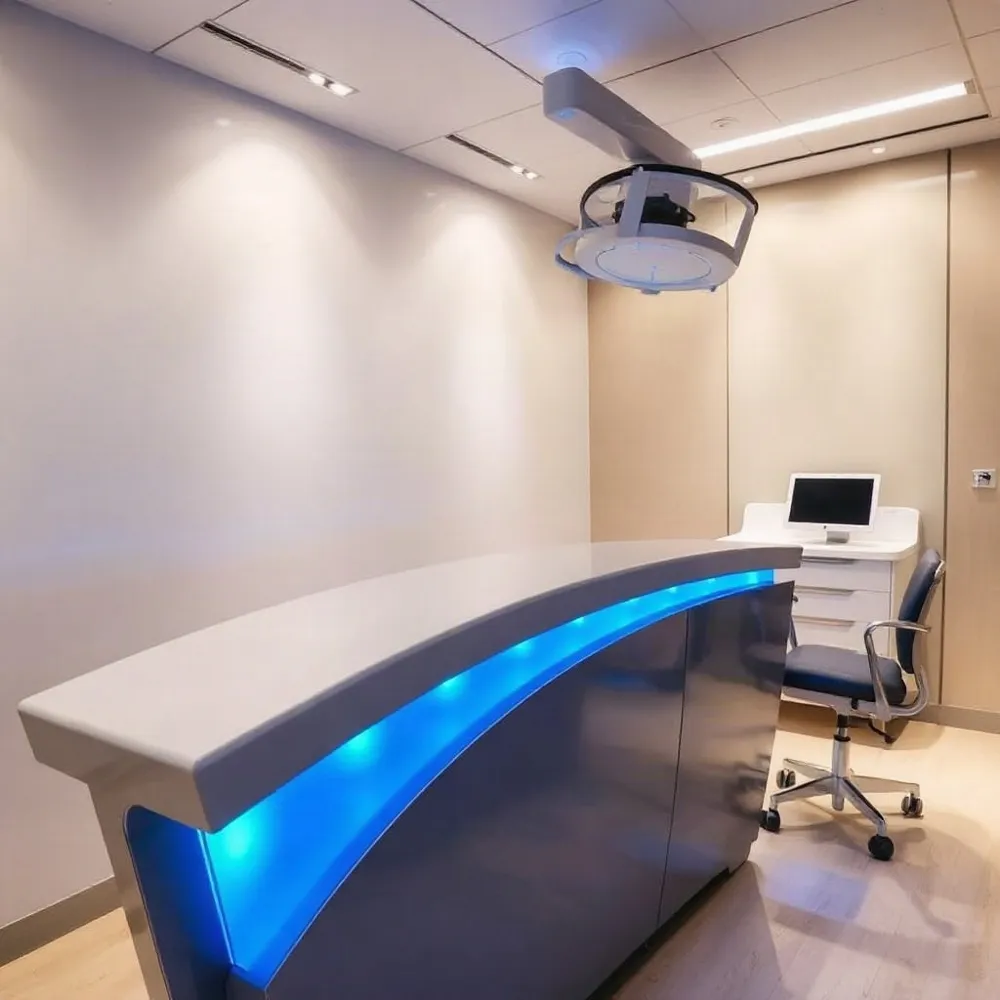 Selecting the right laser for hyperpigmentation depends heavily on the patient's Fitzpatrick skin type. The goal is to target melanin without triggering an inflammatory response that could worsen the condition. Technologies now exist that allow clinicians to match wavelength, pulse duration, and energy to the individual's melanin profile.
Picosecond Lasers: PicoWay and PicoSure
Picosecond lasers such as PicoWay and PicoSure deliver energy in ultra-short pulses measured in trillionths of a second. These pulses shatter pigment into fine particles with minimal heat, reducing the risk of post-inflammatory hyperpigmentation (PIH) — a common concern for darker skin types. PicoWay is especially preferred for discrete dark spots, PIH, and sun damage, and is considered a gold-standard option for Fitzpatrick III-VI skin.
Nd:YAG 1064 nm Laser
The Q-switched Nd:YAG laser (1064 nm) is a safe choice for melanin-rich skin because its longer wavelength bypasses surface pigment to target deeper melanin. According to the literature, it is the recommended option for Fitzpatrick IV-VI skin to minimize the risk of unwanted hypopigmentation. At the Aesthetic Surgery Center, providers use this wavelength for precise, low-risk clearance of pigmented lesions.
HALO Hybrid Fractional Laser
The HALO by Sciton is a hybrid fractional laser that combines ablative and non-ablative wavelengths in a single treatment. It targets both surface-level pigmentation and deeper discoloration while stimulating collagen. Treatment is customizable to skin type and concern, and patients typically experience mild redness and flaking followed by noticeable clarity.
BBL BroadBand Light
BroadBand Light (BBL) therapy uses intense pulsed light to treat brown spots, photoaging, and uneven tone on lighter skin (Fitzpatrick I-II). It is non-invasive with short sessions and little to no downtime, making it ideal for maintenance or mild hyperpigmentation on the face, neck, chest, and hands.
Alexandrite Laser
The Alexandrite laser (755 nm) selectively targets melanin, making it highly effective for sunspots, freckles, and tattoos. It breaks down pigment for natural elimination and is FDA-approved for most skin types. The Aesthetic Surgery Center offers this precise option for patients seeking noticeable clearance in a few sessions.
Fraxel Fractional Laser
Fraxel uses fractional non-ablative resurfacing to treat diffuse sun damage, solar lentigines, and uneven texture. It treats a fraction of the skin at a time, allowing for 3-5 days of downtime (bronzing and peeling). It is best suited for lighter skin tones and often used in a series of 1-3 sessions combined with topical brightening regimens.
IPL and LaseMD Ultra
Intense Pulsed Light (IPL) is a gentle option for mild to moderate hyperpigmentation on lighter skin, though it carries a higher risk of PIH on deeper tones. The LaseMD Ultra is a fractional non-ablative laser designed for all skin types, targeting pigmentation with minimal downtime. Its gentle approach makes it suitable for patients with melasma or sensitive skin who need a cautious treatment.
| Laser Type | Best For | Skin Tone Suitability | Downtime |
|---|---|---|---|
| PicoWay / PicoSure | PIH, sun spots, melasma | Fitzpatrick I-VI | Minimal (1-2 days) |
| Nd:YAG 1064nm | Dermal pigmentation, darker tones | Fitzpatrick IV-VI | Minimal |
| HALO Hybrid Fractional | Mixed pigmentation, texture | All skin types | Mild (3-5 days flaking) |
| BBL (BroadBand Light) | Sunspots, photoaging | Fitzpatrick I-II | None |
| Alexandrite 755nm | Sunspots, freckles | Fitzpatrick I-III | Minimal |
| Fraxel | Diffuse sun damage, texture | Fitzpatrick I-III | 3-5 days |
| IPL | Mild pigmentation | Fitzpatrick I-II | None |
| LaseMD Ultra | Melasma, sensitive skin | All skin types | Minimal |
What to Expect: Sessions, Results, and Recovery
Most patients require a series of 3 to 6 laser treatments spaced 4 to 6 weeks apart to achieve a significant reduction in hyperpigmentation. The exact number of sessions depends on the type and depth of the pigment. Superficial sun spots or age spots may lighten in as few as 1 to 3 treatments, while deeper or hormone-driven melasma often requires 4 to 6 sessions.
Results appear progressively over several weeks. Patients typically notice immediate lightening in the treated area, with continued improvement as the skin heals and collagen remodeling occurs. For certain types of pigmentation, the results can be long-lasting, but strict sun protection is essential to prevent new spots from forming.
Downtime and Side Effects
Downtime varies by technology. Gentle, non-ablative options like PicoWay and Clear + Brilliant allow patients to resume normal activities immediately with only mild redness for a day or two. Fractional lasers such as Fraxel involve 3 to 5 days of bronzing and peeling. A MicroLaser Peel, which removes the outer skin layer, may require up to a week of recovery.
Common side effects include temporary redness, mild swelling, crusting, and a temporary darkening of spots before they flake off. More serious risks, such as post-inflammatory hyperpigmentation, burns, or scarring, can occur if the wrong wavelength or energy level is used for a given skin tone. A thorough consultation with an experienced provider, such as the team at drmmacdonald.com, is necessary to select a safe treatment approach.
Post-Treatment Care
After each session, the skin needs gentle care. A fragrance-free moisturizer helps soothe the area, and daily application of a broad-spectrum sunscreen with SPF 30 or higher is mandatory. Sun exposure undermines treatment results and can trigger new pigmentation. Avoiding active ingredients like retinoids and acids for a few days is also recommended to reduce irritation.
Cost, Permanence, and Complementary Approaches
The cost of laser hyperpigmentation treatment varies widely. Patients can expect to pay between $500 and $5,000 per session. A single treatment for isolated sun spots may cost $300–$500, while intensive full-face resurfacing with an ablative laser can exceed $1,500 per session. At drmmacdonald.com, a consultation helps determine the precise laser platform and number of sessions needed for your specific skin concern, ensuring you receive a targeted and cost-effective treatment plan.
Laser therapy for hyperpigmentation is a long-lasting solution, but it is not a permanent cure. The treatment effectively breaks down existing excess melanin, but new spots can form if the underlying triggers—sun exposure, hormonal changes, or inflammation—are not addressed. Consistent daily sun protection and a proper skincare routine are essential to maintain results. For some patients, periodic maintenance treatments are recommended to keep the complexion clear and even.
Laser vs. Surgery. For structural changes like sagging skin or deep tissue laxity, surgical procedures deliver dramatic, permanent results. Laser therapy excels at improving skin quality, tone, and texture with minimal downtime. Many patients find the most comprehensive rejuvenation by combining both approaches—for example, using laser resurfacing after a facelift.
Korean Beauty Approach. Korean clinics often combine gentle, low-fluence laser toning with aggressive topical peels like Cosmelan for multi-layered treatment. This sequential strategy clears surface pigmentation first, then targets deeper melanin with monthly laser sessions, an approach that is less common in Western practices.
Lasers for Post-Surgical Recovery and Scar Healing
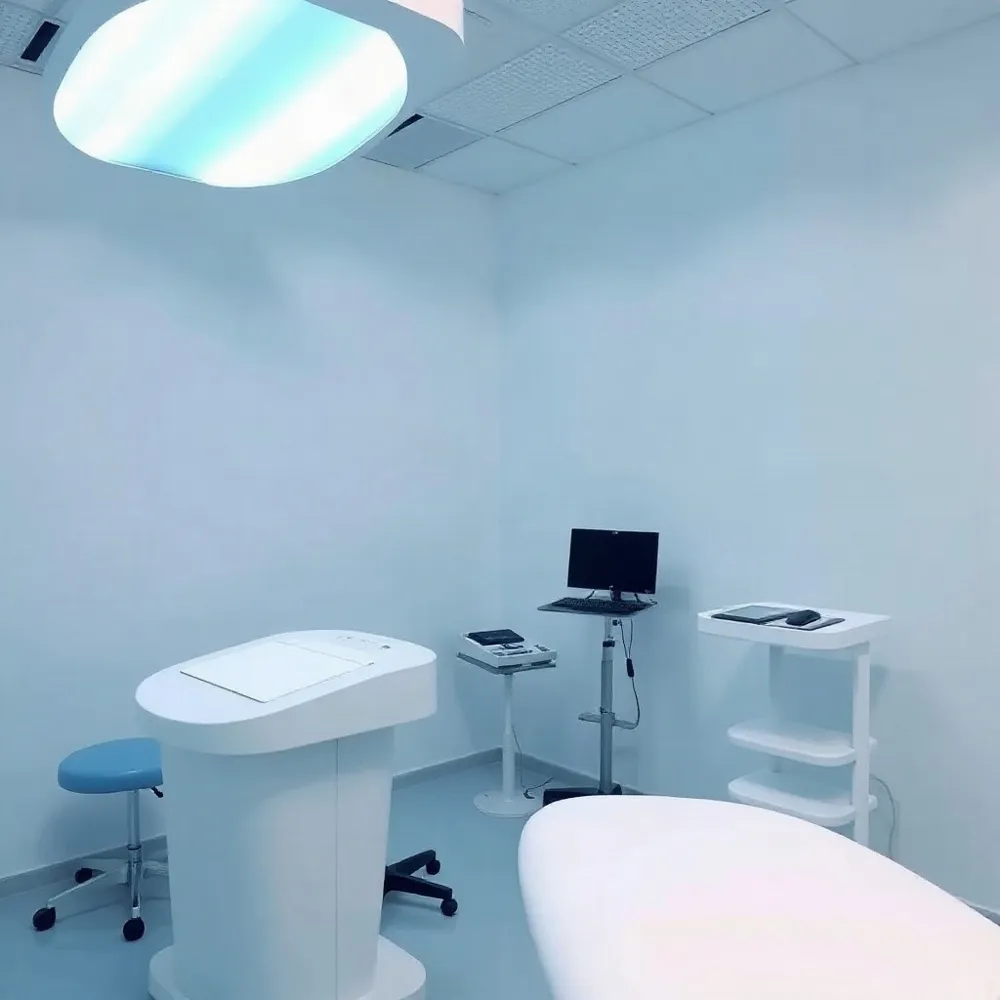 Laser therapy is increasingly recognized for its role in postoperative care, not just as a cosmetic tool but as a functional treatment to accelerate healing. By delivering specific light wavelengths to targeted tissues, lasers can stimulate activity at a cellular level, boosting energy production in mitochondria to speed the body's natural recovery processes. This non-invasive approach helps patients recover more comfortably, with less pain and a quicker return to daily routines.
One of the primary benefits of post-surgical laser treatment is its ability to reduce inflammation and swelling around the surgical site. By enhancing blood circulation and improving the delivery of oxygen and nutrients to healing cells, laser therapy helps damaged tissue regenerate more efficiently. This improved circulation can also support the immune system, lowering the risk of infection—a critical factor in any recovery protocol.
Lasers play a direct role in minimizing scar tissue formation. By promoting collagen production and supporting organized tissue regeneration, these treatments can lead to better cosmetic outcomes, reducing the visibility of scars over time. At the Aesthetic Surgery Center, providers incorporate laser therapy into post-surgical planning to help patients achieve smoother, more even healing and resume their normal activities sooner.
How Post-Surgical Laser Therapy Compares to Other Recovery Aids
Unlike topical creams or passive dressings, laser light therapy actively drives cellular repair. It can be applied soon after surgery to target deep tissue, where it calms inflammation before it becomes problematic. This makes it a practical complement to standard recovery protocols, especially for patients concerned about both functional healing and the final appearance of their surgical site.
Cellular Stimulation. Specific light wavelengths increase ATP (energy) production in cells, accelerating the natural repair cycle after surgery.
Scar Prevention. By guiding collagen remodeling, laser treatment reduces the formation of dense, visible scar tissue and promotes flatter, more even healing.
Infection Defense. Better circulation and nutrient flow support immune function at the surgical site, helping to lower the risk of post-operative infection.
Your Path to Clearer, Even Skin
Laser therapy has become a powerful tool for addressing stubborn pigmentation issues, from sun spots and melasma to post-inflammatory hyperpigmentation. No single device works for every condition, which is why a personalized treatment plan is essential for both safety and results. Proper patient selection, including an assessment of skin type and the depth of pigmentation, is a critical step in minimizing adverse effects like post-inflammatory hyperpigmentation, especially in darker skin tones, as noted by recent research in the field.
At the Aesthetic Surgery Center, consultations begin with a thorough evaluation of your unique skin concerns and goals. The center's approach pairs advanced laser technologies, such as the VariLite™ system for targeted pigmentation, with personalized care to ensure the most effective and safest path forward. For patients with melasma, a more conservative laser strategy combined with rigorous sun protection and topical brighteners is often recommended to avoid rebound pigmentation.
Combining in-office laser sessions with at-home care yields the best long-term outcomes. Daily use of a broad-spectrum sunscreen with SPF 30 or higher is non-negotiable, as UV exposure directly drives melanin production. Prescription-strength topicals like hydroquinone, tretinoin, or azelaic acid can enhance and maintain results between treatments. This multi-modal approach addresses pigmentation from multiple angles for clearer, more even skin that lasts.
Choosing an experienced provider is the most important factor in your treatment journey. The right clinician tailors laser settings to your Fitzpatrick skin type, the specific type of pigmentation, and your overall health history. With the proper plan and consistent care, laser therapy offers a reliable and lasting solution for restoring a radiant complexion.