Why Post‑Surgical Skincare Matters
After facial or body aesthetic procedures the skin moves through three distinct healing phases—initial inflammation, proliferative tissue repair, and remodeling. Each stage is vulnerable to external stress, so the products you apply can either support or sabotage the process. Gentle, fragrance‑free cleansers preserve the nascent barrier, while humectant‑rich moisturizers (hyaluronic acid, glycerin, ceramides) replenish lost moisture and curb excess tension that can pull at fresh sutures. Consistent use of broad‑spectrum sunscreen (SPF 30 +) shields newly formed collagen from UV‑induced inflammation and hyperpigmentation, both of which accelerate scar visibility. By avoiding harsh exfoliants, alcohol, and strong acids during the early weeks, you reduce irritation, lower infection risk, and allow the scar tissue to mature in a calm environment. Ultimately, a disciplined, soothing skincare routine translates into smoother, less noticeable scars and a faster, more comfortable recovery for every patient.
Foundations of Post‑Surgery Skincare
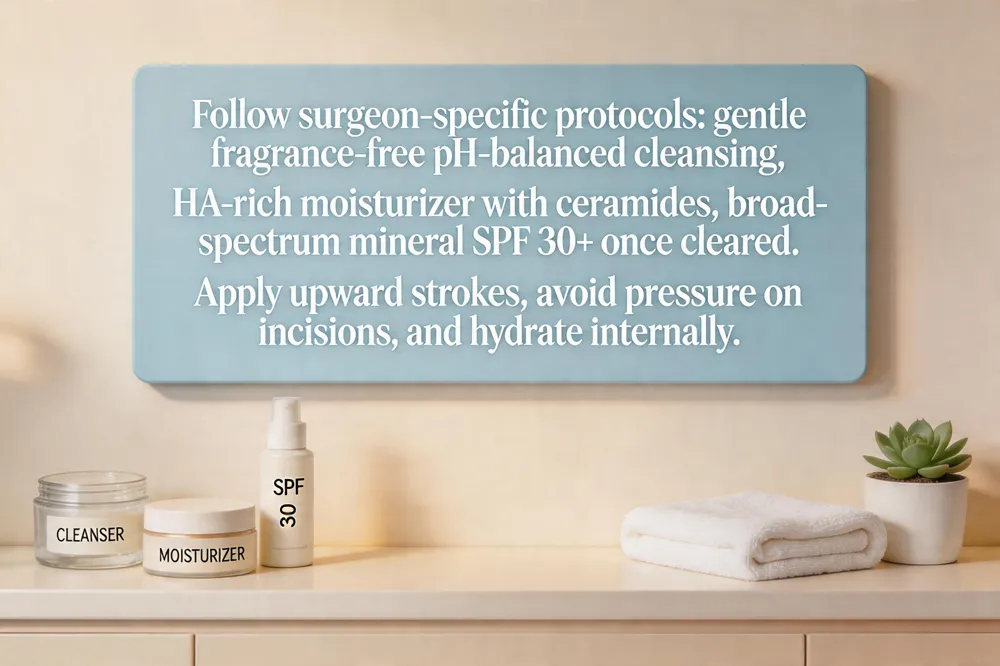 Following surgeon‑specific instructions is the cornerstone of any recovery. In the first 7‑10 days keep the treated area clean with a gentle, fragrance‑free, pH‑balanced cleanser, rinse with lukewarm water, pat dry with a soft towel, and skip any scrubbing or exfoliation. Hydration from the outside and inside supports barrier repair; drink plenty of water and apply a fragrance‑free moisturizer that contains humectants such as hyaluronic acid, glycerin, or ceramides. Hyaluronic acid draws water into the skin, keeping the newly tightened tissue supple and reducing tightness, while ceramides rebuild the lipid barrier. The best moisturizer after a facelift is a lightweight, non‑comedogenic, fragrance‑free formula with HA and soothing peptides; apply twice daily with gentle upward strokes, avoiding direct pressure on incisions. Pair the cream with a broad‑spectrum SPF 30+ mineral sunscreen once the surgeon clears topical use to prevent UV‑induced hyperpigmentation.
What is the best skin care after surgery? Follow the surgeon’s protocol, cleanse gently, moisturize with HA‑rich, fragrance‑free products, protect with SPF, and consider silicone gels after closure.
Best moisturizer after facelift A fragrance‑free HA moisturizer with ceramides and peptides, applied twice daily, offers optimal hydration without irritation.
What is the best cream to use after a facelift? A medical‑grade, HA‑based cream that also contains SPF 30+ and antioxidants is the gold standard.
Hyaluronic acid after facelift HA provides deep hydration, plumps the skin, and supports collagen recovery; use a gentle HA serum or cream after incisions are closed, following surgeon guidance.
Moisturizers, Ointments, and Healing Balms
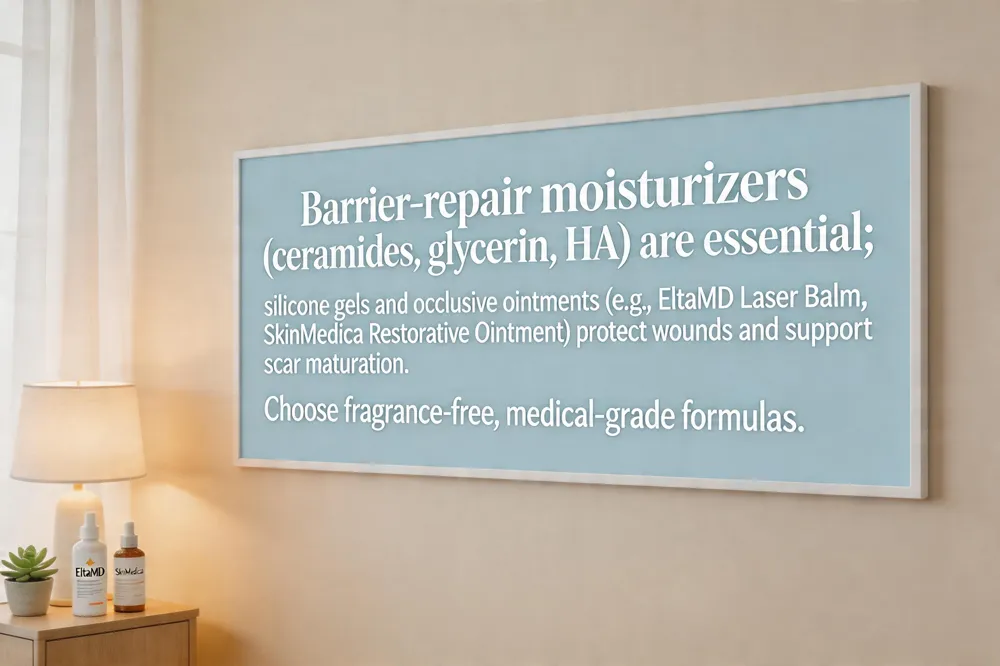 Fragrance‑free barrier‑repair moisturizers are the cornerstone of post‑procedure care. Formulas that feature ceramides, glycerin, panthenol, and hyaluronic acid restore the lipid layer, lock in moisture, and calm irritation without triggering sensitivity. Silicone gels and occlusive ointments create a protective, semi‑impermeable film that maintains a moist wound environment, reduces crusting, and improves scar maturation. Medical‑grade post‑procedure products—often developed with dermatologists—provide higher concentrations of barrier‑supporting ingredients and are free of alcohol, fragrance, and harsh exfoliants, making them ideal for the delicate healing phase.
EltaMD Laser Balm – A fragrance‑free, paraben‑free ointment that forms an occlusive layer to hydrate, protect, and accelerate recovery after laser resurfacing, dermabrasion, or microneedling. It melts on contact, preventing crusting and supporting a moist wound environment.
SkinMedica Restorative Ointment – Petrolatum‑free balm enriched with sunflower seed oil, sunberry fruit juice, green algae extract, and squalane. It delivers deep nourishment, reinforces the barrier, and offers antioxidant defense for post‑laser or peel skin.
iS Clinical Recovery Balm – Moisture‑rich, fragrance‑free moisturizer containing ceramides, hyaluronic acid, glycerin, vitamin E, and oat extract. It replenishes hydration, soothes tightness, and repairs the barrier after aesthetic treatments.
SkinCeuticals Epidermal Repair Soothing Cream – Fragrance‑free cream with beta‑glucan, Centella asiatica, and Nymphea alba extract. It strengthens the barrier, reduces redness, and calms irritation for post‑procedure healing.
SkinMedica HA5® Hydra Collagen Water Burst Moisturizer – New lightweight formula featuring HA5® Hydra Collagen Complex and a Microbiome Barrier Complex. It provides 24‑hour hydration, supports barrier health, and offers a refreshing “water‑burst” sensation for daily use after procedures.
Recovery Timeline, Swelling, and Sleep Positioning
 Facelift recovery follows a predictable pattern. Day 1 shows bandages, pressure, and early bruising; clean the incisions with a gentle fragrance‑free cleanser and keep the head elevated. By Day 2 a dressing change assesses drainage and reinforces care. Days 3‑5 are the “worst” visually, with pronounced swelling and bruising, but the lifted contour already begins to emerge. At the five‑day mark patients notice smoother jowls and neck, while incisions remain hidden under hair or a light headband. Swelling often persists mildly at week 4, especially in the cheeks and jawline, as residual fluid drains; gentle lymphatic massage, hydration, and continued elevation help. Most patients see a clear reduction by week 6, with final contour refinement over months. Sleeping on the back with a slight head‑elevation is advised for the first 2‑3 weeks; side‑sleeping should be delayed until at least 2 weeks (often 3‑4 weeks) and only after surgeon clearance to protect incisions. Visible results become natural and refreshed by the 30‑day visit, allowing regular social activities.
Hair, Makeup, and Cosmetic Timing
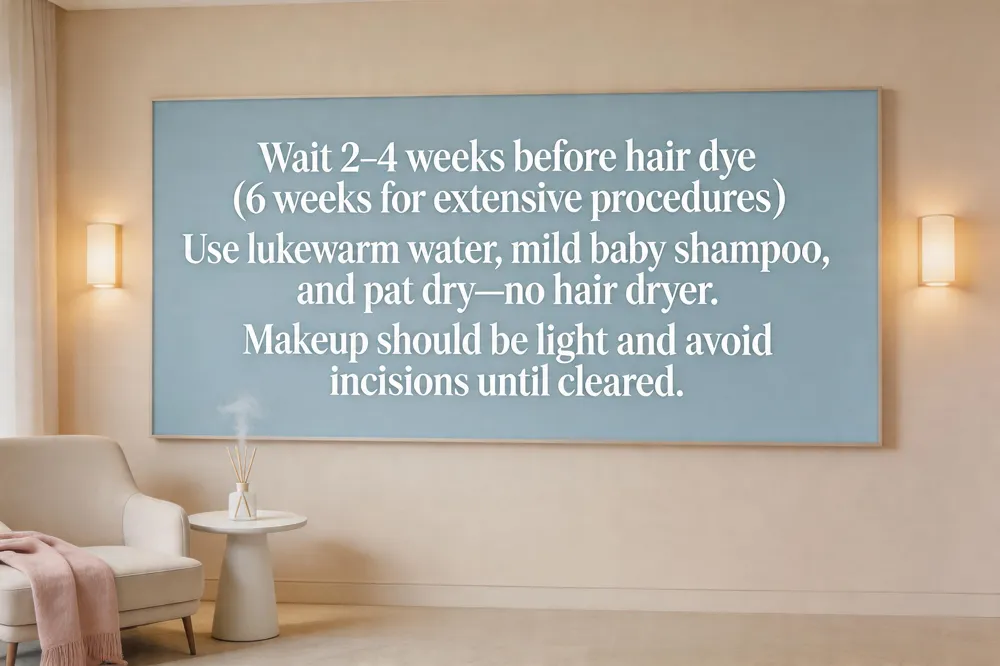 Following a facelift, skin and cosmetic routines need careful timing to protect incisions and support healing.
How long after facelift can I color my hair? Most surgeons advise waiting at least two to three weeks before applying any chemical dye, with many preferring a four‑week window. For extensive procedures or slower healing, six weeks may be safer. Always obtain clearance at a follow‑up visit and choose gentle, ammonia‑free dyes while shielding incision sites.
How to wash hair after facelift? After dressings are removed (usually day 1‑2), use lukewarm water and a mild baby shampoo. Let water flow gently, avoid spraying the face, and refrain from tugging on sutures. Pat hair dry with a soft towel—no hair dryer. If crust forms along incisions, a peroxide‑dampened swab followed by a thin layer of prescribed antibiotic ointment can be used as directed.
Facelift pictures after 5 days – At day 5 swelling and bruising are still present, but the face already appears smoother and more lifted. Incisions are fresh but often hidden by hair or a headband, and the contour improvement is evident, allowing patients to attend short outings or virtual meetings with confidence.
Professional Recommendations and Product Safety
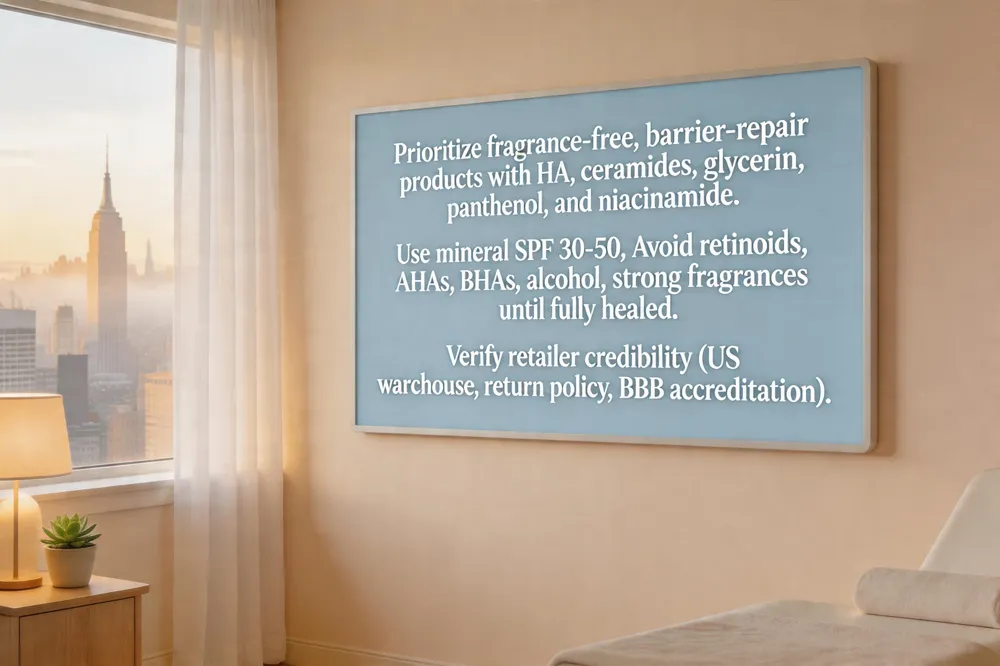 Plastic surgeons and dermatologists agree that post‑procedure skin care should be simple, fragrance‑free, and focused on barrier repair. The most‑ recommended products are medical‑grade moisturizers containing hyaluronic acid, glycerin, or ceramides (e.g., SkinMedica TNS Essential Serum or a silicone‑based scar gel) and broad‑spectrum mineral sunscreens with SPF 30‑50 to prevent UV‑induced hyperpigmentation. Over‑the‑counter (OTC) options lack the higher concentrations of these actives and often include alcohol or fragrance, which can irritate fresh incisions. When evaluating a retailer, verify that it ships from a reputable U.S. warehouse, offers clear return policies, and lists dermatologist‑approved ingredients; BBB accreditation and customer reviews (as seen with LovelySkin) can help gauge reliability. Key ingredients to seek are hyaluronic acid, ceramides, glycerin, panthenol, niacinamide, and growth‑factor blends, while avoiding retinoids, AHAs, BHAs, alcohol, and strong fragrances until the skin is fully healed. Following these guidelines supports optimal healing, reduces scarring, and preserves the results of surgical and non‑surgical aesthetic treatments.
General Lifestyle and Nutrition for Optimal Healing
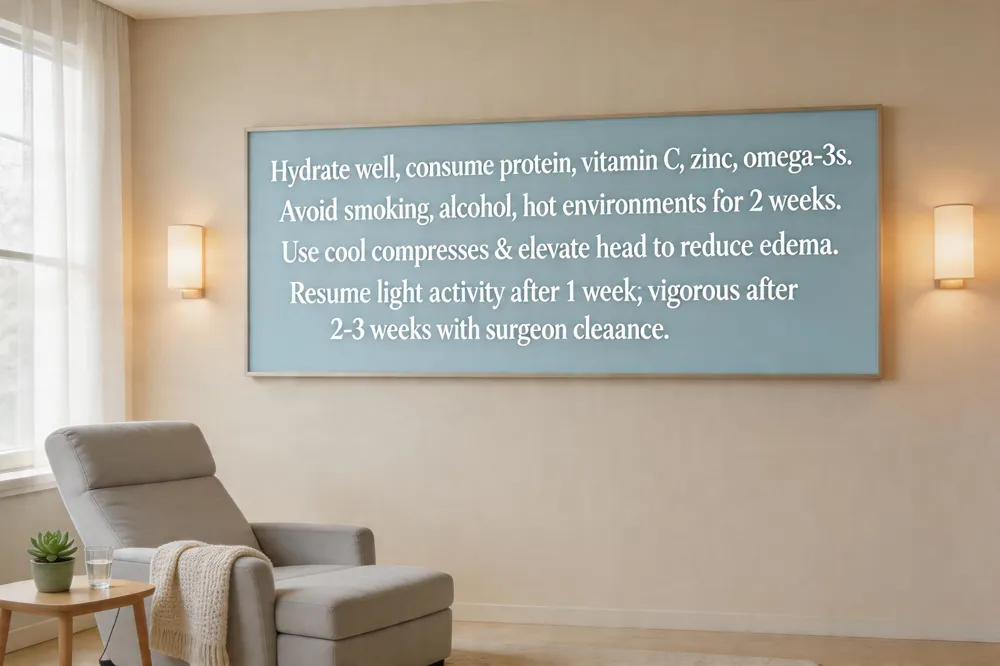 Optimal post‑procedure recovery hinges on three pillars: hydration, nutrition, and mindful lifestyle choices. Aim to Staying well‑hydrated by drinking plenty of water supports skin repair from the inside out. adequate systemic hydration maintains blood volume, supports nutrient delivery, and reduces tran‑epidermal water loss. Pair this with a diet rich in lean proteins, vitamin C‑heavy fruits and vegetables, zinc, and omega‑3 fatty acids—these nutrients fuel collagen synthesis and curb inflammation.
Smoking, alcohol, and hot environments must be avoided for the first two weeks. Nicotine constricts micro‑circulation, while alcohol dehydrates tissue and impairs immune function; both delay wound closure and increase scar risk. Similarly, hot showers, saunas, and prolonged exposure to heated indoor air strip natural oils and can exacerbate swelling.
Cool compresses (not direct ice) can alleviate swelling and discomfort after surgery or cosmetic treatments. (wrapped in a soft cloth) applied 10‑15 minutes several times a day during the first 48‑72 hours, combined with Elevate the head using extra pillows or a recliner. using pillows or a wedge, markedly reduce edema and bruising without risking frostbite.
Strenuous activities that cause heavy sweating or increased blood flow to the treated area should be postponed until healing is underway. that provoke heavy sweating should be postponed until the surgeon clears you—generally after the first week for light walking and after 2–3 weeks for more strenuous cardio or resistance training. This gradual re‑introduction protects incisions from excessive strain while still promoting circulation for faster healing.
Putting It All Together – Your Post‑Surgery Skincare Checklist
Start each day with a gentle, fragrance‑free cleanser and lukewarm water, pat dry, then apply a thin layer of a hyaluronic‑acid or ceramide‑rich moisturizer to lock in moisture. Follow with a broad‑spectrum mineral sunscreen (SPF 30 or higher) as soon as the incision is closed, re‑applying every two hours when outdoors. Keep a small kit on hand that includes the cleanser, a fragrance‑free moisturizer, a silicone‑based scar gel or sheet, cool compresses, and a mineral sunscreen. Throughout the week, check the healing area for increasing redness, swelling, warmth, pain, drainage, or foul odor—any of these signal infection and require immediate contact with your surgeon or dermatologist. If you notice delayed wound closure, excessive bruising, or any unexpected changes, schedule a professional evaluation promptly.