Understanding the Impact of a Deviated Septum on Daily Life
A deviated septum occurs when the wall of bone and cartilage separating your nostrils, known as the nasal septum, becomes displaced or crooked. This physical misalignment can be congenital or result from an injury, often causing one nasal passage to be significantly smaller than the other. At drmmacdonald.com, we focus on assessing how this structural asymmetry manifests in your everyday life, recognizing that even minor shifts can disrupt normal airflow.
Many patients report chronic nasal stuffiness, difficulty breathing, snoring, and recurring sinus infections as a direct result of this obstruction. While conservative medical management, such as decongestants or nasal steroid sprays, may provide temporary relief for secondary inflammation, surgery remains the only definitive way to correct the underlying displacement. Our center is dedicated to delivering personalized, minimally invasive septoplasty procedures that prioritize both functional relief and aesthetic harmony, ensuring that patients regain comfortable, restorative breathing through expert-led, patient-centered care.
Differentiating Functional Septoplasty from Aesthetic Rhinoplasty
 While many patients use the colloquial term nose job to describe a variety of nasal procedures, the clinical objectives of a septoplasty and a rhinoplasty are distinct. A septoplasty is a medically necessary intervention specifically designed to reconstruct a deviated septum, the internal partition of bone and cartilage that divides the nasal cavity. By straightening this structure, the procedure aims to normalize nasal airflow, address chronic sinus dysfunction, and resolve breathing-related sleep issues like obstructive sleep apnea.
Conversely, a rhinoplasty is an elective procedure focused on the external anatomy of the nose. It is used to refine the bridge, tip refinement, or adjust nasal width to meet a patient's aesthetic goals. Because the septum and the external framework of the nose are so closely interconnected, drmmacdonald.com often recommends a combined septorhinoplasty for patients who require both functional correction and cosmetic refinement.
This combined surgical approach offers several practical advantages for the patient. By addressing both internal functional obstructions and external appearance in one operation, patients benefit from a single recovery timeline, reduced cumulative anesthesia exposure, and more unified surgical planning. While a standalone septoplasty is typically covered by insurance as a functional repair, combining it with aesthetic rhinoplasty permits surgeons to optimize the overall structural integrity and profile of the nose simultaneously.
| Feature | Septoplasty | Rhinoplasty |
|---|---|---|
| Primary Goal | Functional airflow | Aesthetic refinement |
| Insurance Status | Usually covered | Elective/Cosmetic |
| Focus Area | Internal septum | External framework |
Minimally Invasive Endoscopic Approaches for Correction
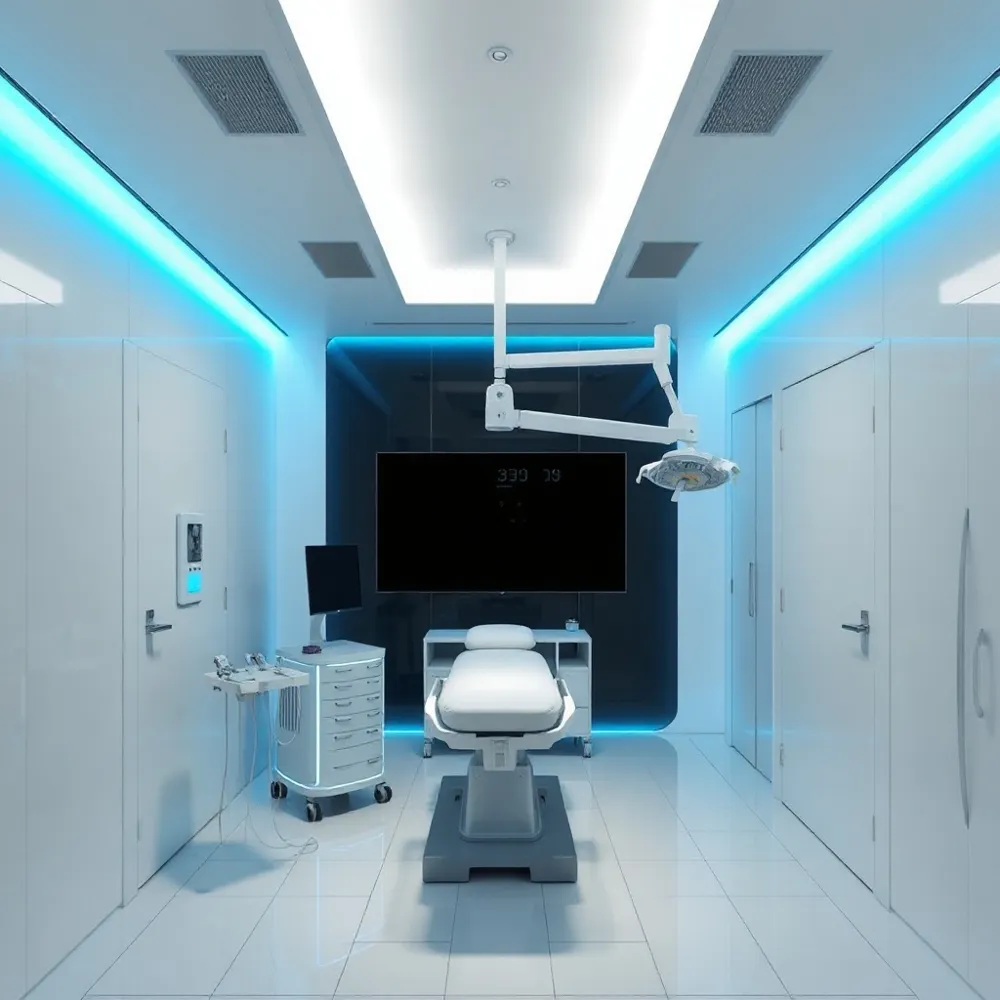 For patients seeking to address breathing difficulties, endoscopic septoplasty offers a modern alternative to traditional open techniques. By utilizing high-definition cameras inside the nasal cavity, surgeons can achieve superior internal visualization, identifying subtle structural deviations that might otherwise remain hidden. This targeted approach allows for precise corrections within the structural framework of the nose.
How is a traditional endoscopic septoplasty performed?
An endoscopic septoplasty is a minimally invasive surgical procedure performed to correct a deviated septum by utilizing a high-resolution camera, called an endoscope, to provide clear visualization of the treatment area. The surgeon begins by making a small, precise incision within the nasal lining, typically hidden inside the nostril, to access the underlying cartilage and bone. Using specialized, miniaturized instruments, the surgeon carefully lifts the mucous membrane to expose the structural deviation. The obstructing portions of the septum are then skillfully repositioned, trimmed, or removed to straighten the nasal passage and restore optimal airflow. By relying on endoscopic guidance rather than traditional open techniques, surgeons can perform these intricate corrections through a smaller incision, which often minimizes tissue disruption and supports a more comfortable recovery process.
At drmmacdonald.com, our commitment to patient-centered care extends to how we prioritize the preservation of native tissues. Unlike more aggressive methods that might require extensive dissection, this endoscopic focus helps maintain the integrity of the mucosal lining, which is vital for natural nasal hydration and long-term health. By refining the submucosal resection process through better visualization, we provide a path to breathing relief that minimizes trauma while maximizing functional outcomes.
Exploring Modern Incisionless Septoplasty Options
For patients seeking the least invasive surgical path to clear airway obstructions, incisionless septoplasty represents a significant advancement. This no-scalpel technique focuses on correcting septal deflections and bone spurs that impede airflow without the need for traditional incisions. Unlike conventional surgery performed in a hospital setting under general anesthesia, this office-based approach is often conducted using only local anesthesia, which can improve patient comfort by eliminating the grogginess associated with deeper sedation.
- Incisionless procedures can be performed in an office setting, allowing for a faster transition back to daily schedules compared to inpatient alternatives.
- The use of local anesthesia minimizes the systemic impact on the body, which is a major advantage for patients concerned about the risks and long recovery timelines linked to full anesthesia.
- By utilizing specialized instruments to remodel cartilage, the technique preserves more natural structure than traditional, more aggressive surgical interventions.
While this modern approach offers clear benefits for many, candidate suitability depends on the nature of the nasal structure. At drmmacdonald.com, patients presenting with localized deviations benefit from a thorough diagnostic evaluation to determine if office-based remodeling is appropriate. In cases where there is severe cartilage deformity, significant trauma, or complex, multi-layered sinus disease, traditional surgical intervention in an operating room may remain the standard. Surgeons must balance the convenience of incisionless options with the need for reconstructive support available in standard septoplasty procedures, such as the use of grafts to secure the airway long-term.
Secondary Structural Procedures to Optimize Airflow
Correcting a deviated septum sometimes addresses only part of a patient's nasal obstruction. At drmmacdonald.com, structural refinement often includes addressing secondary issues like enlarged turbinates. These structures, responsible for humidifying air, can undergo compensatory hypertrophy, essentially growing to fill available space created by a displaced septum. To maximize airflow, surgeons may utilize turbinate outfracture, a technique that permanently repositions the turbinates by creating controlled fractures in the thin bone, increasing the size of the nasal passages.
Another effective approach for addressing these internal volumes is a submucosal resection. This method removes small portions of the turbinate or septum through an internal incision, strictly preserving the protective mucosal lining to maintain natural nasal hydration. By meticulously removing only what is necessary, surgeons can clear the airway without risking complications such as empty nose syndrome, a risk that some traditional, more aggressive out-fracturing techniques may carry if performed improperly, according to research in the National Institutes of Health.
Stability remains a priority during any restorative airway surgery. For patients with complex C-shaped or S-shaped deviations, surgeons may integrate spreader grafts during a septorhinoplasty. These small, precisely placed strips of cartilage reinforce the nasal bridge, preventing collapse while ensuring the septum remains centered for long-term breathing comfort. While some practices might prioritize only the core septal correction, drmmacdonald.com focuses on these additional structural supports as a standard practice to achieve the functional stability necessary for sustained, clear nasal airflow.
| Procedure | Functional Goal | Methodology |
|---|---|---|
| Turbinate Outfracture | Increase nasal space | Reposition via microfracture |
| Submucosal Resection | Reduce tissue bulk | Internal trim, preserve mucosa |
| Spreader Grafts | Structural reinforcement | Cartilage strips for stability |
Managing Expectations: Pain and Recovery Timelines
 It is common to wonder about post-operative pain, but you should be reassured that most patients experience significant pressure and congestion rather than severe, sharp pain. During the first two to three days, you may feel as though you have a heavy head cold or a sinus-like fullness, which is typically due to natural swelling and nasal packing. While recovery involves some discomfort, especially regarding sleep or mouth dryness, it is rarely described as intensely painful and is manageable with personalized post-operative care plans. You will typically notice a marked improvement in your comfort levels within the first one to two weeks as the congestion subsides.
Recovery time following nasal surgery is personalized, with minor endoscopic procedures often allowing for a return to daily activities within a few days. More comprehensive procedures, such as a septorhinoplasty, typically require about one to two weeks of downtime as swelling and bruising subside. During the initial recovery phase, patients should prioritize rest, keep their head elevated, and strictly avoid strenuous physical activity to support proper tissue healing. drmmacdonald.com emphasizes that while most feel comfortable returning to work or school within 7 to 10 days, full resolution of internal swelling can take several weeks or months. Your surgical team will provide a specific post-operative roadmap tailored to your procedure to ensure your recovery is as comfortable and predictable as possible.
- Prioritize rest and keep your head elevated to minimize facial swelling.
- Use prescribed saline rinses to keep the nasal passages clean and hydrated per Mayo Clinic guidance.
- Refrain from heavy lifting and strenuous exercise for approximately six weeks to protect structural integrity.
- Avoid blowing your nose firmly for at least two weeks to prevent bleeding or tissue displacement.
Full stabilization of internal bone and cartilage structures following a surgery on the nasal septum requires patience. While initial comfort returns quickly, the nasal tissues often continue to settle and refine for up to one year after the procedure. Consistency with your post-operative follow-up schedule ensures any minor adjustments in healing are tracked accurately by your medical team.
Addressing Concerns Regarding Cosmetic Changes
Many patients considering a septoplasty express concerns about whether the procedure will alter their facial profile or the external appearance of their nose. It is crucial to understand that a functional septoplasty is designed strictly to address internal structural deviations to restore airflow, rather than modify aesthetic features like the bridge or tip.
Will my face or nose shape change after septoplasty?
A standard septoplasty centers the septum by trimming or repositioning cartilage, which generally leaves your external appearance unchanged. Research indicates that septoplasty focuses purely on internal function, whereas septorhinoplasty integrates cosmetic refinement with airway correction. While some minor, subtle shifts may occur during tissue stabilization, these are not intended aesthetic outcomes.
Because patients often have unique anatomical needs, drmmacdonald.com emphasizes personalized surgical planning to align your functional goals with your aesthetic vision. If you desire a change to your nose shape alongside breathing improvements, we discuss a combined approach to ensure both objectives are met safely in one session. You are invited to schedule a consultation with our team to review your specific nasal structure and clarify the path toward your optimal breathing and desired appearance.
Symptom Management Through Conservative Medical Approaches
A deviated septum is fundamentally a structural issue involving the displacement of bone and cartilage, which means the anatomical position cannot be permanently corrected without surgical intervention. While conservative medical management does not alter the physical orientation of the septum, it is highly effective at minimizing the daily congestion, sinus pressure, and airflow obstruction that many patients experience.
Are there non-surgical ways to fix a deviated septum?
Permanent correction of a deviated septum requires surgical procedures like a septoplasty, yet many patients find relief by focusing on the secondary issues that exacerbate their symptoms. Utilizing nasal corticosteroid sprays, over-the-counter antihistamines, and regular saline rinses can reduce mucosal inflammation and clear obstructions, creating much-needed space within the nasal cavity. At drmmacdonald.com, we emphasize that while these conservative strategies improve baseline comfort and quality of life, they remain interim solutions. When medication and lifestyle adjustments no longer provide sufficient relief from chronic obstruction, surgery becomes the reliable path to lasting, clear breathing.
Considering the Long-Term Value and Potential for Revision
For many individuals, septoplasty represents a highly worthwhile investment, as it effectively addresses the root cause of chronic nasal obstruction by straightening the internal structures of the nose. Clinical evidence shows that patients often experience significant, long-term improvements in both objective nasal airflow and subjective quality of life following the procedure. When symptoms like persistent congestion or recurring sinus issues disrupt your daily life, surgical correction provides meaningful relief. At drmmacdonald.com, our approach focuses on meticulous structural correction, ensuring that functional goals are met while maintaining the patient's individual aesthetic profile.
Is surgery for a deviated septum worth the investment?
Determining the long-term value of surgery begins with a personalized consultation to evaluate specific anatomical concerns. Every patient's nasal architecture is unique, and successful outcomes depend on addressing not just the primary deviation but also secondary structural issues like turbinate hypertrophy. By providing a thorough functional assessment, drmmacdonald.com helps patients understand how tailored surgical techniques can stabilize the airway for years to come. Ultimately, the decision balances these enduring functional health benefits against the standard recovery timeline associated with the procedure.
Can a deviated septum return after it has been surgically corrected?
While this surgery is designed for permanent improvement, it is possible for a deviated septum to seem as though it has returned over time. This typically occurs because nasal cartilage possesses a characteristic called cartilage memory, where tissue may attempt to migrate toward its original shape unless properly remodeled and reinforced. Other factors, such as improper healing or later trauma, may also influence the stability of the result. Revision rhinoplasty is an option for addressing persistent concerns, though most patients avoid this through precision-focused initial surgery.
To minimize the risk of needing a future revision, surgeons may utilize advanced techniques such as precise cartilage sculpting, spreader grafts, or traction suturing to lock the septum in its new, corrected position. These methods are frequently employed at the Aesthetic Surgery Center to ensure stable, long-term results. By selecting a surgeon with extensive expertise in complex nasal anatomy, patients significantly lower the probability of recurrence while ensuring that both breathing and structural integrity are preserved long after the initial healing phase concludes.
Taking the Next Step Toward Your Best Breathing
Achieving lasting relief from nasal obstruction requires more than a simple one-size-fits-all approach. At drmmacdonald.com, we believe that success depends on a detailed, individualized anatomical assessment that accounts for your specific septal structure, turbinate health, and overall nasal valve function. Unlike facilities that limit their view to standard procedural templates, our focus is on comprehensive restoration that prioritizes both long-term airway patency and patient comfort.
Your safety and satisfaction remain our primary benchmarks throughout the surgical process. By utilizing advanced endoscopic techniques, we refine internal structures with precision, aiming to deliver results that resolve chronic congestion while preserving the natural appearance of your nose. We understand the physical and emotional impact of poor nasal breathing, which is why we emphasize clear communication and personalized care plans.
If you are ready to evaluate your options for a clearer, more comfortable life, we invite you to take the next step. Schedule a consultation at drmmacdonald.com to learn how a tailored surgical plan can address your unique breathing challenges in San Francisco.