The Rise of Subtle Refinement
Key Facts: Cosmetic Surgery Rejuvenation Trends in 2025
- Deep plane facelift repositions deeper facial muscles and fat to restore structure without a 'tight' or 'windblown' look, costing $18,000 to $42,000 nationally.
- Blepharoplasty removes excess eyelid skin and fat to correct droopiness and improve vision, prioritizing conservative tissue removal and fat preservation for natural results.
- Modern rhinoplasty focuses on facial harmony and preserving the patient's unique character, often simultaneously improving breathing function by correcting issues like a deviated septum.
- Mini facelifts and temporal brow lifts serve as preventative rejuvenation, requiring less dissection and offering faster recovery for early aging signs.
- Tummy tuck (abdominoplasty) provides lasting contour by removing excess skin and repairing muscle separation (diastasis recti), with results often maintaining for 20+ years.
- Breast augmentation now prioritizes proportion over volume, using techniques like fat grafting and smaller implants to achieve a 'Barely There' aesthetic.
- Autologous fat transfer uses a patient's own fat cells for permanent volume restoration, with no risk of allergic reaction and a high concentration of stem cells to improve skin quality.
- Non-surgical enhancements like Botox, fillers, and microneedling offer subtle rejuvenation with minimal downtime, preserving natural expression through small, strategic doses.
- Buccal fat removal provides a permanent reduction of lower cheek fullness, best suited for those with round faces and not recommended for narrow faces or older adults.
- Age is not a barrier for facelifts; candidacy is based on overall health, skin quality, and managed medical conditions, not chronological age, as many in their 70s and 80s undergo the procedure successfully.
1. Deep Plane Facelift: Natural-Looking Rejuvenation That Lasts
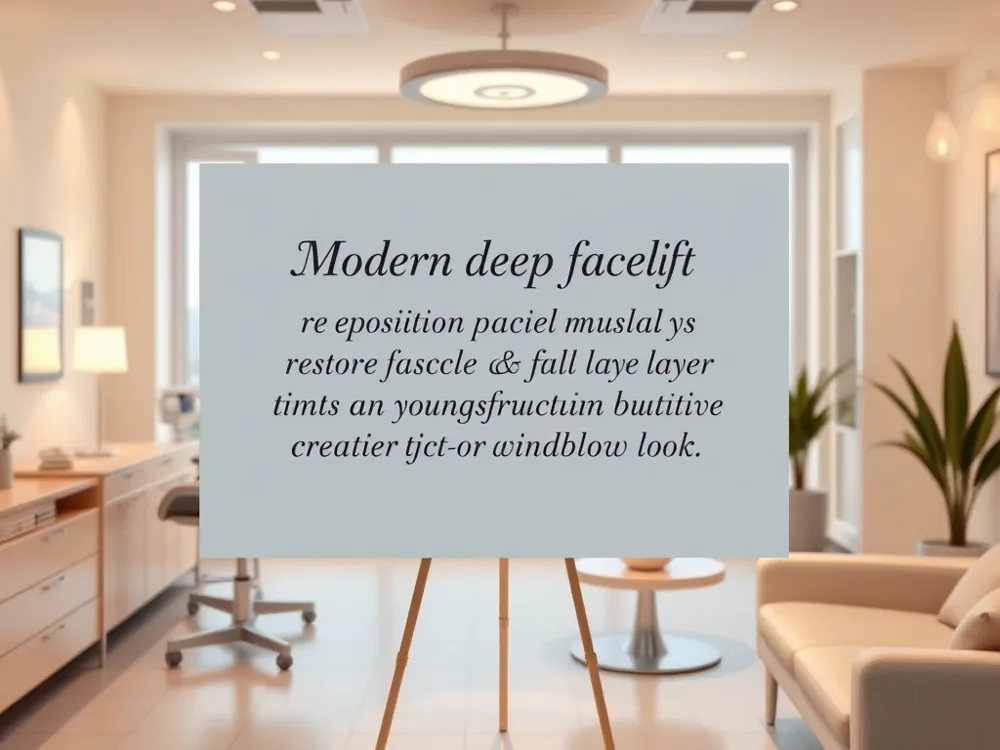
What is a deep plane facelift and what does it cost?
Modern facelift surgery has moved beyond outdated methods that simply pull skin tight. The deep plane facelift repositions the deeper layers of facial tissue, including the muscle layer known as the SMAS and the fat pads, to a more youthful position. This advanced technique addresses jowls, midface sagging, and nasolabial folds directly, restoring structure without the tight, "windblown" look associated with older facelift methods. The result is a soft, natural appearance that lasts 10 to 15 years.
The cost of a deep plane facelift varies widely based on surgeon expertise, geographic location, anesthesia, and facility fees. Nationally, patients can expect a range of $18,000 to $42,000, though prices may exceed $100,000 in high-cost metropolitan areas. A personalized consultation with a board-certified surgeon is essential for an exact quote and to determine if you are a good candidate for this procedure. During this consultation, the surgeon will assess your facial anatomy and discuss specific goals for rejuvenation.
2. Blepharoplasty: Awaken Your Eyes Without Changing Your Look
What is Blepharoplasty?
Blepharoplasty, or eyelid surgery, is a cosmetic and functional procedure that removes excess skin and fat from the upper and lower eyelids. It effectively corrects droopiness, puffiness, and bagginess that can create a tired or aged appearance. The surgery can also improve vision when sagging upper eyelid skin obstructs the peripheral or central visual field, making it a procedure with both aesthetic and practical benefits.
How Does It Create a Rested, Natural Look?
The primary goal of blepharoplasty is to rejuvenate the eyes while preserving your unique identity. It is not designed to change the shape of your eyes, but rather to restore a more youthful, bright, and open look. Patients often report that the procedure makes them appear more alert and well-rested, as if they simply got a good night's sleep, without altering their fundamental features. The result is a refreshed appearance that still looks unmistakably like you.
What Are the Modern Refinements for Natural Outcomes?
Today's blepharoplasty techniques prioritize subtlety and natural results. The key refinements include:
| Refinement | Purpose |
|---|---|
| Conservative tissue removal | Prevents a "hollowed-out" or over-pulled look, leaving enough skin for a natural, healthy appearance. |
| Careful fat preservation | Surgeons often reposition rather than remove fat from the lower lids to maintain youthful fullness and avoid sunken eyes. |
| Soft, discreet sutures | Minimises visible scarring, with incisions hidden within the natural creases of the eyelid. |
The focus is on rejuvenation, not over-correction, ensuring the result ages gracefully and maintains your natural expression.
3. Rhinoplasty: Achieving Facial Harmony, Not a New Nose
What does modern rhinoplasty prioritize over a generic ‘ideal’ nose?
Modern rhinoplasty refines the nose so it harmonizes with the patient’s unique facial features. The goal is to preserve the patient’s unique character and ethnic features, using delicate shaping to bring proportions into balance with the cheeks, eyes, and chin. This approach moves away from a one-size-fits-all result and focuses on subtle, natural-looking enhancement.
How does rhinoplasty improve both form and function?
Aesthetic refinement is only one part of the procedure. Rhinoplasty also addresses functional concerns by precisely reshaping bone and cartilage to improve breathing. For example, correcting a deviated septum or narrowing a nasal valve can resolve medical issues like breathing difficulties while simultaneously improving the nose’s appearance for a more balanced facial profile.
| Procedure Focus | Aesthetic Goal | Functional Benefit |
|---|---|---|
| Nasal bridge/dorsum | Smoothing or straightening bump | Maintains or improves nasal airway |
| Nasal tip | Refining shape and projection | Can support proper breathing |
| Nasolabial angle | Adjusting tip rotation | May correct nasal valve collapse |
| Septum/turbinates | Not primarily cosmetic | Corrects deviation or enlargement for better airflow |
| Nostrils (alar base) | Balancing width with facial features | Can help prevent breathing restriction |
4. Mini Facelift & Temporal Brow Lift: Preventative Rejuvenation
Mini facelifts address early aging signs. These procedures require less tissue dissection than traditional lifts. Patients in their early forties benefit from minimal scarring and faster recovery. The technique lifts facial structures subtly to maintain natural expressions.
Temporal brow lifts target the lateral brow arch. Surgeons carefully elevate only the temple region. This approach refreshes the upper face without creating a startled expression. It pairs well with precise neurotoxin placement. This method complements non surgical skin tightening devices effectively.
Prejuvenation prioritizes gradual maintenance. Starting treatments in your twenties helps slow visible aging. Early interventions delay major surgery while preserving your authentic appearance. Consistent upkeep ensures long-term structural stability. Safe outcomes require professional guidance.
| Procedure | Target Area | Recovery Profile | | Mini Facelift | Midface & Jawline | Minimal scarring and fast healing | | Temporal Brow Lift | Lateral Brow Arch | Short downtime and subtle lift | | Prejuvenation Protocol | Early Aging Prevention | Continuous low maintenance touch-ups |
5. Tummy Tuck: Lasting Contour That Ages Gracefully
How does a tummy tuck look 20 years later?
After 20 years, a well-performed tummy tuck (abdominoplasty) generally maintains a flatter, more toned abdominal contour, though natural aging and weight changes can affect results. The procedure removes excess skin and fat, and more importantly, repairs muscle separation (diastasis recti), creating a firmer foundation. With a stable weight and healthy lifestyle, patients can expect the structural improvements to be very long-lasting, often lasting 20+ years.
What happens to the scar over time?
The tummy tuck scar typically fades significantly over two decades, often becoming barely visible and blending with surrounding skin. It usually transitions from a raised, red line to a flat, pale, and subtle mark. Sun protection and good aftercare are critical for helping the scar mature favorably. Most patients find the trade-off for a dramatically improved abdominal profile more than acceptable.
Does it improve posture and back pain?
Yes, a key benefit is that repairing diastasis recti improves posture and may relieve lower back pain. The procedure tightens the abdominal wall, which provides better core support. This can lead to a noticeable reduction in discomfort and an improved posture, contributing to a more youthful and healthy silhouette. Overall, a tummy tuck offers lasting improvements that age gracefully, directly addressing predictable changes from pregnancy or weight fluctuations.
6. Breast Augmentation: Proportion Over Volume
6. Breast Augmentation: Proportion Over Volume
Modern surgery prioritizes anatomical harmony over exaggerated sizing. Patients now seek proportionate enhancements that align with shoulder width and ribcage shape. This focus ensures a balanced silhouette rather than an artificial profile.
Clinicians recommend evaluating three primary approaches to achieve refined results:
• Standard implants provide defined structural support
• Fat grafting utilizes the patient's own adipose tissue
• Mini augmentation offers subtle volume increases
The growing "Barely There" aesthetic favors subtle refinements suited for active lifestyles. Surgeons combine precise planning with conservative sizing to maintain authentic features. This harvests fat to provide modest volume without synthetic materials.
7. Fat Transfer: Volumize Naturally With Your Own Cells
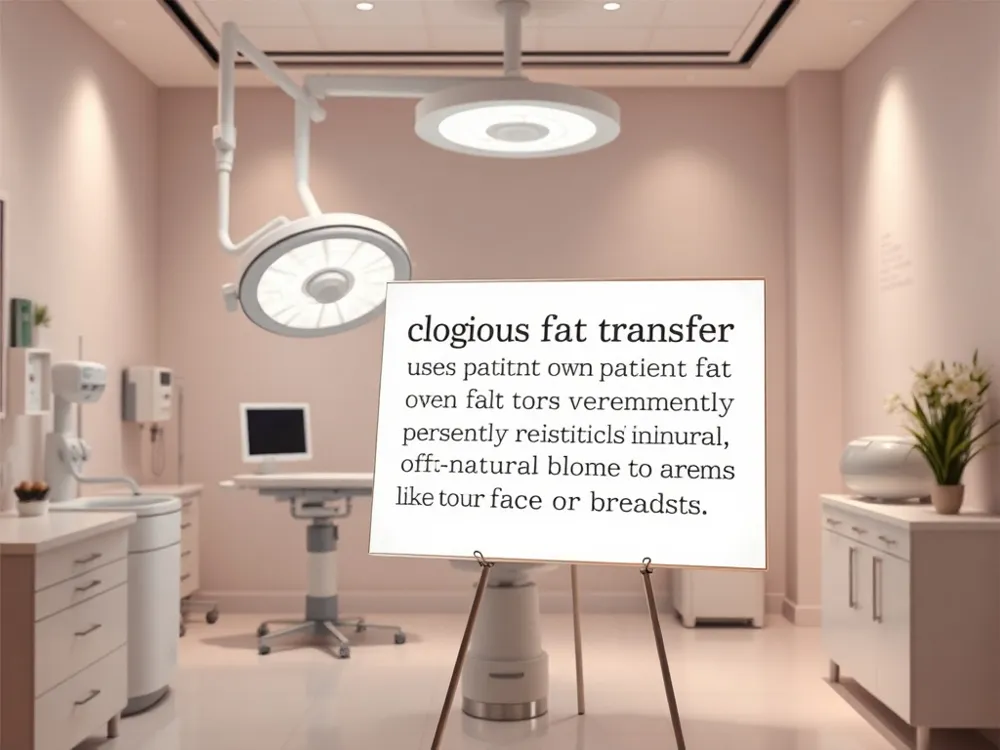
How does autologous fat transfer restore volume for a natural look?
Autologous fat transfer (AFT) uses your own fat, harvested via a gentle liposuction-like process from areas like the abdomen or thighs, to restore lost volume. This purified fat is then carefully injected into areas such as the face, breasts, or hands. The result is a soft, youthful fullness that mimics the body’s natural contours, moving away from a hollow or overly chiseled look.
Why is it considered a permanent and safe option?
Because the injected material is your own tissue, there is no risk of allergic reaction or rejection. A significant portion of the transferred fat cells integrates permanently into the new location, offering long-lasting results. This stands in contrast to temporary fillers, which require repeated touch-ups. The procedure also delivers a high concentration of stem cells, which can improve the overall quality and vitality of the overlying skin.
How can fat transfer be combined with other procedures?
Fat transfer is highly versatile and often used as an adjunct to more invasive surgeries like facelifts to enhance overall harmony. For the face, it can restore volume to the cheeks, lips, and under-eye area, complementing a surgical lift for a naturally rejuvenated appearance. It is also a popular alternative for breast augmentation, offering a moderate increase in size with a completely natural feel. This synergistic approach allows surgeons to achieve balanced, refined outcomes that highlight the patient's unique features. For long-term maintenance, consider periodic touch-ups to maintain the desired fullness as the body ages. Consult with a board-certified surgeon to create a personalized plan. | Procedure | Source Material | Longevity | Key Benefit | |---|---|---|---| | Autologous Fat Transfer | Patient’s own fat | Permanent | Natural look, no allergy risk | | Hyaluronic Acid Fillers | Synthetic gel | 6-24 months | Non-surgical, quick results | | Biostimulators (e.g., Sculptra) | Synthetic polymer | Up to 2 years | Stimulates own collagen |
8. Non-Surgical Natural Enhancements: Botox, Fillers & Microneedling
How can you transform your face without plastic surgery? Non-surgical options like Botox, dermal fillers, and microneedling offer subtle improvements with minimal downtime. These procedures provide effective rejuvenation without entering the operating room.
Botox relaxes the facial muscles that cause expression lines, such as crow's feet and frown lines. The treatment takes about 15–20 minutes, requires no downtime, and results appear within a few days. Repetition with small, strategic doses prevents a frozen look while maintaining natural facial movement.
Hyaluronic acid fillers like Juvederm restore volume to smooth wrinkles and enhance contours. They are injected with a fine needle, produce immediate results with minimal discomfort, and last from six months to two years. Techniques like micro-dosing achieve soft, natural-looking fullness that blends harmoniously with your features.
Microneedling creates controlled micro-injuries in the skin to stimulate collagen production. This process improves elasticity, reduces fine lines, and treats scars for all skin types. Chemical peels remove the outermost skin layer to reveal fresher skin, addressing dullness, uneven tone, and hyperpigmentation with little to no recovery.
These treatments are conservative by design: small doses, strategic placement, and preservation of natural expression. They work well as standalone enhancements or as complementary steps to surgical procedures like facelifts or eyelid surgery. A holistic plan might combine microneedling for texture with fillers for volume, creating a refreshed appearance that honors your unique features.
| Treatment | Primary Benefit | Average Session Time | Typical Duration of Results |
|---|---|---|---|
| Botox | Smooths dynamic wrinkles | 15–20 minutes | 3–6 months |
| Hyaluronic Acid Fillers | Adds volume, smooths contours | 15–30 minutes | 6–24 months |
| Microneedling | Stimulates collagen, tightens skin | 30–60 minutes | Multiple sessions needed; long-term improvement |
| Chemical Peels | Exfoliates, evens skin tone | 15–30 minutes | Varies by peel depth; maintenance sessions recommended |
Buccal Fat Removal: Sculpted Cheekbones With a Natural Approach
What is buccal fat removal?
Buccal fat removal is an in-office cosmetic procedure that reduces the buccal fat pads located in the lower cheeks, between the cheekbones and jawbone. The surgery is performed through a small incision inside the mouth, leaving no visible external scars.
Is buccal fat removal right for everyone?
The procedure is best suited for patients with round or full faces who want a more sculpted, contoured look. It is not ideal for those with naturally narrow faces or older adults, as removing this fat can create a gaunt, prematurely aged appearance over time.
What are the results?
Results are permanent, as the removed fat cells do not grow back. Because facial shape changes with age, most surgeons recommend waiting until at least 18–20 years old before undergoing the procedure. When performed on the right candidate, buccal fat removal can create a refined, natural-looking lower face without appearing overdone. Surgeons advise a thoughtful approach to ensure the outcome enhances, rather than detracts from, facial harmony. The procedure is often combined with other facial surgeries for a balanced overall look.
| Procedure | Target Area | Ideal Candidate | Duration | Scarring |
|---|---|---|---|---|
| Buccal Fat Removal | Lower cheeks | Round/full face, stable weight | 30-45 minutes | None (inside mouth) |
| Minimally invasive facelift | Face & neck | Mild to moderate aging | 1-2 hours | Minimal, hidden |
| Fat transfer (face) | Midface, cheeks, lips | Volume loss | 1 hour | Small incisions, hidden |
| Eyelid surgery (blepharoplasty) | Upper/lower eyelids | Excess skin, puffiness | 1 hour | Fine, hidden in creases |
Is There an Age Limit for a Facelift?
How old is too old for a facelift?
There is no single age that is too old for a facelift. The decision is based on health and medical history, not on your birth date. Chronological age is less important than physical fitness and the quality of your skin and underlying tissues.
Age is Not a Barrier
Many healthy patients in their 70s and 80s achieve excellent, natural-looking results from facelift surgery. As long as you are free from significant, uncontrolled medical conditions and have realistic expectations, age alone should not prevent you from considering the procedure.
What Really Matters
A thorough consultation with a board-certified plastic surgeon is essential. They will assess your overall health, skin elasticity, bone structure, and medical history to determine your candidacy. The goal is to ensure you are a safe and suitable candidate, regardless of your age.
| Factor | What Surgeons Evaluate | Why It Matters |
|---|---|---|
| Overall Health | Medical history, current medications, and lifestyle habits | Determines your ability to safely undergo surgery and anesthesia. |
| Skin Quality | Skin elasticity, thickness, and degree of sun damage | Affects how well the skin will redrape and heal after surgery. |
| Medical Conditions | Chronic issues like heart disease, diabetes, or high blood pressure | These must be well-managed to minimize surgical risks. |
| Treatment Goals | Your desired outcome and expectations | Ensures the results will be realistic and satisfying for you. |
What Are the Most Transformative Procedures?
What Makes a Procedure Truly Transformative?
While many aesthetic procedures offer significant benefits, breast reduction is often cited by surgeons as one of the most transformative. This reputation comes from its ability to relieve chronic physical discomfort, such as back, neck, and shoulder pain, for patients with overly large breasts. This relief is frequently accompanied by a profound boost in self-esteem and quality of life.
For facial aesthetics, a well-executed facelift or rhinoplasty enhances facial harmony can be equally transformative. A modern facelift repositions descended tissues to restore a youthful, rested appearance without an artificial look. Similarly, rhinoplasty enhances facial harmony by precisely reshaping nasal proportions to complement the patient's unique features, offering a significant change in overall balance.
Is There a Single Best Procedure?
The most transformative procedure is ultimately the one that best addresses an individual's specific concerns. A patient seeking relief from physical symptoms will find a breast reduction life-changing, while someone focused on facial rejuvenation may find a facelift or rhinoplasty the most impactful. Current trends in 2025, such as smaller, natural-looking breast implants and fat transfer, highlight that true transformation is driven by customized, personalized care rather than a one-size-fits-all approach.
| Procedure Type | Primary Transformation Benefit | Typical Patient Satisfaction Drivers |
|---|---|---|
| Breast Reduction | Relief from physical discomfort (back, neck pain) | Improved quality of life, enhanced self-esteem, symptom relief |
| Facelift | Restored facial structure and definition | Youthful, rested appearance without an artificial look |
| Rhinoplasty | Enhanced facial harmony and proportion | Improved confidence, balanced facial features, preservation of unique character |
| Personalized Approach | Addresses unique patient goals and anatomy | High satisfaction from tailored, undetectable results |
Risks and Safety in Cosmetic Surgery
What Are the Top Riskiest Surgical Procedures?
The riskiest surgical procedures are primarily major surgeries, not cosmetic ones. Brain surgeries like craniectomy and craniotomy, which involve removing part of the skull to treat severe swelling or tumors, carry high risks of seizures, infections, and strokes. Open heart surgery is also extremely dangerous, as it requires stopping the heart and using a machine to circulate blood, with potential complications like organ failure, blood clots, and infections. Emergency abdominal procedures such as partial colectomy, small-bowel resection, and appendectomy account for 80% of surgical complications and deaths.
How Do Cosmetic Procedure Risks Compare?
Cosmetic procedures, both surgical and non-surgical, have generally lower risks than these major surgeries. However, complications are still possible, including infection, scarring, asymmetry, or anesthesia-related issues. The shift toward subtle, natural-looking enhancements also supports safer outcomes, as smaller interventions often mean less tissue trauma and faster recovery. These complications are typically less severe but still require careful attention.
How Can Patients Minimize Their Risks?
To minimize risks, patients should discuss potential complications with their surgeon during a thorough consultation. Choosing a board-certified plastic surgeon is the most critical step, as certification ensures rigorous training, safety standards, and ethical practice. Surgeons who emphasize personalized, minimally invasive care can tailor procedures to each patient's anatomy and goals, reducing the chance of complications and achieving natural-looking, long-lasting results. It is also important to review the surgeon's facility accreditation and ask about their experience with the specific procedure you are considering.
| Procedure Type | Risk Category | Key Considerations for Safety |
|---|---|---|
| Brain Surgery (Craniectomy) | Very High | Risk of seizures, infections, strokes; requires specialized team |
| Open Heart Surgery | Very High | Risk of organ failure, blood clots, infections; extensive recovery |
| Emergency Abdominal Surgery | High | 80% of surgical complications and deaths occur here |
| Cosmetic Surgery (Facelift, Liposuction) | Low to Moderate | Infection, scarring, asymmetry; minimized with board-certified surgeon |
| Non-Invasive Procedures (Botox, Fillers) | Very Low | Bruising, swelling, rare allergic reactions; requires skilled injector |
The Undetectable Facelift: What's New in 2025

What is the new 'undetectable' facelift?
In 2025, the conversation around facelifts has shifted from dramatic changes to the ‘undetectable beauty’ trend. This is not a single technique but a philosophy focused on restoration. The goal is to lift sagging deeper facial tissues, restore lost volume, and respect your unique facial anatomy. Instead of pulling skin tight or aiming for a wrinkle-free look, the best modern facelifts aim to make you look like a refreshed, rested, and younger version of yourself.
The 'undetectable' approach uses methods like deep plane or SMAS adjustments to reposition the muscles and fat pads where they once were, not just tighten the outer skin. This targeted repositioning avoids the wind-tunnel or 'pulled' appearance of older surgical methods. The result is subtle and natural, often making it difficult for others to pinpoint exactly what changed—you simply look better.
Combining Surgery with Non-Surgical Treatments for Maximum Naturalness
To achieve a truly natural outcome, surgeons are increasingly blending surgical lifts with non-surgical treatments. This hybrid approach enhances the overall result without looking artificial. For instance:
- Fat Transfer: A surgeon may lift the deep facial tissues and then use your own fat to add volume back to the cheeks and midface. This fills in hollows and restores a soft, youthful plumpness, avoiding the gaunt look that can result from a simple skin pull.
- Platelet-Rich Plasma (PRP): After surgery, PRP, derived from your own blood, can be injected to stimulate collagen production and enhance skin healing. This improves skin texture and quality, adding to the natural glow.
- Minimal Neurotoxins: Small, strategic doses of Botox are sometimes used in conjunction with a lift to soften expression lines without freezing the face, preserving your natural expressions.
By combining surgical correction of deeper structures with non-surgical volume restoration and skin rejuvenation, surgeons can create a holistic refresh that honors the face's natural architecture. This comprehensive strategy is what defines the new era of undetectable cosmetic surgery.
Below is a comparison of surgical and non-surgical components often used in the 'undetectable facelift' approach:
| Treatment Type | Primary Action | Example | Contribution to Natural Look |
|---|---|---|---|
| Surgical Lift | Repositions deeper fat and muscle | Deep Plane Facelift, SMAS Lift | Corrects sagging and jowls without pulling skin tight |
| Fat Transfer | Restores lost facial volume | Autologous fat grafting to cheeks | Fills hollows for a soft, youthful contour |
| PRP | Stimulates collagen and healing | Platelet-Rich Plasma injections | Improves skin quality and glow post-surgery |
| Neurotoxins | Softens dynamic wrinkles | Small doses of Botox | Preserves natural expression while reducing lines |
Your Journey to Balanced Beauty
Your Journey to Balanced Beauty
The best cosmetic enhancements honor your individuality by refining, not replacing, your natural features. A subtle result that leaves you looking like a refreshed, rested version of yourself is the true measure of success.
To begin, consult with a board-certified plastic surgeon who values subtlety and takes time to understand your unique goals. A surgeon who listens carefully will create a customized plan focused on harmony and proportion, not drastic change.
Ultimately, true transformation is about feeling more confident and authentic in your own skin. The goal is never to look like someone else, but to reveal the best version of you.