
Prioritizing Safety and Professional Standards in Your Aesthetic Journey
Selecting a surgeon for elective aesthetic procedures requires a commitment to thorough research rather than reliance on quick decisions. While elective surgery offers transformative benefits, it remains a serious medical undertaking. According to a 2017 study of U.S. physicians, an estimated 11% of medical procedures performed are considered unnecessary, emphasizing the need for patients to verify the clinical justification for any elective plan Need Surgery? Here's How To Choose A Surgeon.
It is essential to distinguish between cosmetic surgery, which focuses on enhancing aesthetic appearance, and reconstructive surgery, which restores function or form following illness or injury I Need a… Plastic Surgeon. Surgeons often specialize in one or both, and confirming their formal training in your specific area of interest is a critical safety step. A qualified surgeon should welcome questions regarding their experience, volume of procedures, and formal board certifications, such as those from the American Board of Plastic Surgery.
At drmmacdonald.com, we prioritize a transparent, patient-first approach that ensures you feel fully informed rather than pressured. While some practices may push for immediate scheduling, a professional surgeon will encourage you to seek a second opinion and ensure your expectations align with realistic anatomical outcomes. Prioritizing accredited surgical facilities and expert anesthesia providers further safeguards your health, ensuring your journey is as safe as it is rewarding.
Essential Credentials for Your Surgical Selection
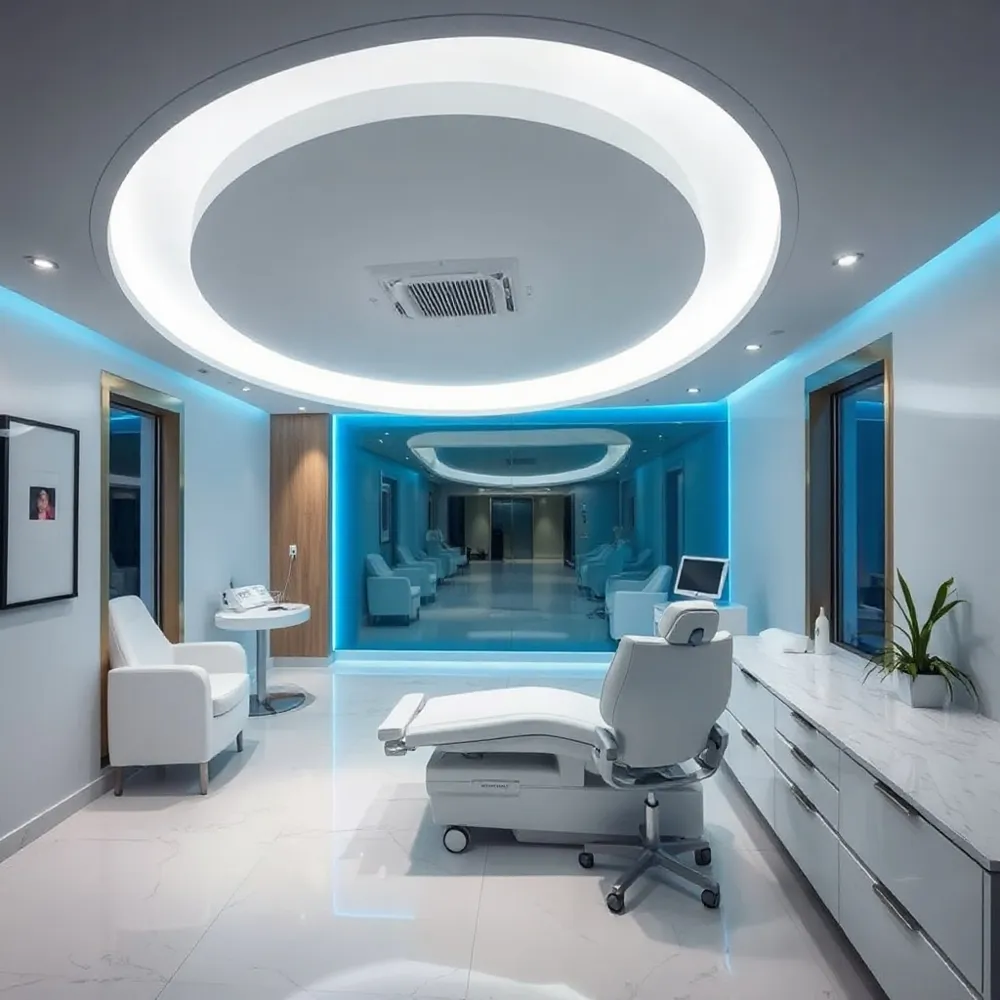 Selecting a surgeon is a significant decision that impacts both your safety and your results. When evaluating potential candidates, prioritize surgeons certified by the American Board of Plastic Surgery, which serves as the only board recognized by the American Board of Medical Specialties for plastic surgery. While some practitioners refer to themselves as a cosmetic surgeon, this title does not necessarily indicate formal, residency-based training in the specialty. Verification is essential, as any licensed physician may legally perform aesthetic procedures regardless of their background.
Membership in the American Society of Plastic Surgeons acts as a further indicator of professional commitment, as members must adhere to rigorous ongoing safety and training standards. You should also confirm whether a surgeon is currently board-certified or board-eligible; the latter indicates that while they have completed the required training, they may still be in the process of finalizing their examination requirements. At drmmacdonald.com, we emphasize the importance of these distinctions, as formal certification ensures that your provider has dedicated years to mastering the complexity of facial and body aesthetics.
What are the essential criteria for selecting a qualified and reputable plastic surgeon? When selecting a plastic surgeon, it is vital to prioritize board certification by the American Board of Plastic Surgery (ABPS), which is considered the gold standard for verifying that a surgeon has completed rigorous training and passed comprehensive examinations. You should confirm the surgeon maintains an active, unrestricted medical license by checking their status through the Federation of State Medical Boards. Beyond credentials, thoroughly evaluate the surgeon’s specific experience with your desired procedure and review their portfolio of before-and-after results to align with your aesthetic goals. Always ensure that the surgery is performed in an accredited facility, as this is essential for maintaining high safety and quality standards. Finally, utilize resources like Certification Matters to verify your surgeon’s ongoing commitment to professional standards and continuous education.
Optimizing Your Consultation Experience
 A plastic surgery consultation is a collaborative, two-way conversation designed to align your aesthetic goals with realistic, medically sound outcomes. You can expect to provide a detailed medical history, including past surgeries, current medications, and any health conditions that may impact your safety or recovery. Your surgeon will conduct a physical examination to evaluate your unique anatomy and discuss customized techniques tailored to your needs. This meeting is also an essential opportunity for you to review the surgeon's credentials, ask specific questions about the procedure and recovery, and ensure you feel comfortable with their communication style and expertise. Ultimately, the goal is to leave the office feeling fully informed, empowered, and confident in your decision-making process.
Assessing Rapport and Communication
Personal rapport is a critical indicator of a successful surgical partnership. Unlike practices that prioritize high-pressure sales tactics, a patient-centered environment at drmmacdonald.com ensures you never feel rushed or ignored during your visit. Effective communication requires that your surgeon listens to your concerns and provides honest, straightforward feedback rather than simply confirming what you want to hear. If you find yourself in a setting where questions feel dismissed, consider seeking a second opinion, as transparency remains a vital component of the consultation experience for any elective procedure.
The Role of Physical Assessment
A physical assessment allows the surgeon to translate your subjective desires into an objective surgical plan. By reviewing before-and-after photos of patients with similar physical characteristics, you can better understand how your anatomy might respond to specific techniques. Surgeons use this time to explain why certain approaches, such as open versus closed rhinoplasty, might be better suited to your specific goals and nasal structure. This thorough evaluation is standard practice for ensuring realistic expectations and long-term satisfaction.
Critical Inquiries for Your Potential Surgeon
Selecting a surgeon is a significant decision, and the consultation process serves as your primary opportunity to evaluate their expertise. To ensure you are fully informed and safe, always begin by confirming your surgeon is board-certified by the American Board of Plastic Surgery and has extensive experience specifically with the procedure you are considering. Because government regulations do not require a surgeon to have specialized training in every cosmetic procedure, this certification is the most reliable marker of specialized qualification.
Ask to review a comprehensive gallery of before-and-after photos of previous patients with similar aesthetic goals to help set realistic expectations for your own results. It is essential to inquire about the specific facility where the surgery will take place, ensuring it is accredited by a body such as the AAASF or AAAHC, and to confirm that the surgeon maintains hospital privileges. Unlike some providers who rely on standalone clinics without standardized oversight, a surgeon who maintains hospital privileges has already undergone the rigorous vetting processes required by those institutions.
Inquire about the specific frequency and volume at which the surgeon performs your desired procedure, as high-volume surgeons often demonstrate more consistent outcomes. You should also ask your surgeon to openly discuss potential risks and complication management, including their specific revision policy. Transparent communication about how they define a successful outcome for your unique anatomy, combined with a clear recovery timeline, builds the partnership necessary for achieving your goals.
| Inquiry Area | Key Objective | Safety Rationale |
|---|---|---|
| Credentials | Verify ABPS status | Ensures surgical rigor |
| Facility | Confirm accreditation | Maintains emergency standards |
| Revision Policy | Discuss contingency | Protects long-term outcome |
Medical Qualifications and Surgical Disqualifications
Achieving an ideal aesthetic outcome starts with a thorough assessment of your overall physical health. A board-certified surgeon at drmmacdonald.com will conduct a comprehensive review of your medical history, current medications, and lifestyle factors to confirm your candidacy. Unlike some practices that may prioritize procedure volume, a high-quality surgeon focuses on patient safety by identifying conditions that could elevate the risk of complications.
What are the common medical disqualifications for undergoing elective plastic surgery? Candidates may be disqualified or required to delay surgery if they have uncontrolled underlying health conditions, such as severe heart disease, uncontrolled diabetes, or specific clotting disorders per the Cleveland Clinic. Active tobacco or nicotine use is a significant disqualifier due to the severe risks it poses to healing and circulation as noted by the ASPS. Additionally, pregnancy or the immediate postpartum period necessitates delaying elective procedures to ensure patient safety. Surgeons also evaluate lifestyle factors and medication use, as certain supplements or prescriptions can increase bleeding risks or interfere with anesthesia per the American Board of Cosmetic Surgery. Ultimately, because these are elective procedures, a surgeon will prioritize your long-term health, declining surgery if the physical risks are deemed too high to ensure a safe outcome.
Chronic health conditions require careful management before any surgical intervention. If you are currently under the care of a specialist, such as an endocrinologist for diabetes or a cardiologist for blood pressure regulation, it is common practice for your surgeon to coordinate with those providers to optimize your status. For example, patients at drmmacdonald.com receive personalized guidance on managing pre-operative health markers to ensure they reach a stable baseline.
Lifestyle adjustments often serve as the final step in clearance. If you are a smoker, your surgeon will likely require a complete cessation of all nicotine products for several weeks before and after your procedure to prevent skin necrosis and wound complications. While other providers might be less stringent, the team at drmmacdonald.com maintains strict safety protocols to ensure that every patient is fully prepared for their specific recovery timeline.
Preparing for Surgery: The Final Week
 The final week before your procedure marks a transition from planning to active preparation. At drmmacdonald.com, we provide a structured timeline to ensure every patient arrives fully ready for their surgical experience. This phase focuses on physiological preparation and logistical organization to minimize stress and promote safe recovery.
Managing your intake of medications and supplements is the most critical task during these last seven days. Many common substances, including aspirin, certain vitamins, and herbal supplements, can increase bleeding risks or interfere with anesthesia according to the American Board of Cosmetic Surgery. You should maintain a comprehensive list of all current prescriptions, supplements, and over-the-counter products to review with your surgical team. Avoiding tobacco and nicotine is non-negotiable, as these substances significantly impair blood flow and wound healing.
What are the recommended guidelines for preoperative preparation in the week leading up to surgery?
In the week leading up to your surgery, it is critical to consult with your surgeon regarding which medications, herbal supplements, and vitamins you must discontinue. You should strictly avoid all tobacco and nicotine products, as well as alcohol, for at least 24 hours before your procedure to support optimal recovery. Ensure you have arranged for reliable transportation and post-operative support, as you will not be permitted to drive yourself home. During this time, maintain a healthy diet and adhere precisely to your surgeon’s specific fasting instructions, which outline the necessary timing for stopping solid foods and clear liquids. Finally, organize a comprehensive list of all your medications and supplements to bring with you, ensuring your surgical team has complete information for your safety.
Logistics are just as essential as physiological preparation. Because accredited surgical facilities enforce strict safety protocols regarding anesthesia, you must arrange for a responsible adult to assist you during the immediate recovery window. Preparing for Surgery: The Final Week Managing medication and supplement intake involves ensuring that your home environment is set up for comfort, with necessary supplies like prescribed medications and clean linens easily accessible. By following these established practices, you create the best possible conditions for a smooth and successful recovery process.
Maintaining Realistic Expectations and Honest Communication
A successful surgical outcome depends on aligning your personal aesthetic goals with the practical realities of your unique anatomy. At drmmacdonald.com, we prioritize open, transparent dialogue to ensure every patient understands that social media trends and digitally altered images are not reliable guides for medical procedures. Unlike practices that might rely on standardized, cookie-cutter templates to mimic celebrity aesthetics, our approach focuses on your specific facial structure and individual needs.
What should I avoid discussing or expecting from my plastic surgeon during my appointments?
Avoid bringing unrealistic expectations based on social media trends or digitally altered celebrity images, as your unique anatomy determines what is achievable. It is counterproductive to ask for procedures that are not medically sound or to press for results that ignore your specific physical structure and safety needs. Never withhold information regarding your complete medical history, smoking status, or current medications, as this transparency is critical for your surgical safety and recovery. Additionally, avoid attempting to dictate medical techniques or specific surgical approaches, as your surgeon must choose the methods that best prioritize your health and aesthetic outcome. Finally, refrain from feeling pressured to rush into a procedure without fully understanding the risks, recovery process, and realistic expectations established during your consultation.
Be wary of red flags, such as high-pressure sales tactics or surgeons who guarantee perfection. Research indicates that a surgeon who pressures you to schedule immediately is a significant warning sign, as reported by NPR. While some providers might use aggressive marketing to book cases quickly, our philosophy at drmmacdonald.com is to provide patient-focused consultations that build trust through honest, staged planning.
Your Path Forward: Building a Successful Surgical Partnership
Selecting a surgeon is an deeply personal choice that requires more than technical skill. While some providers may offer low-cost, quick-fix solutions, drmmacdonald.com focuses on patient safety and long-term satisfaction through transparent, personalized care. Unlike practices that pressure patients into immediate decisions, a professional partnership prioritizes your well-being and long-term aesthetic goals.
Seeking a second opinion is a vital step in finding the right plastic surgeon and should be encouraged by any reputable clinician. If a surgeon discourages you from seeking an unbiased perspective, consider it a signal to look elsewhere. Quality outcomes depend on mutual trust, where your surgeon listens to your concerns and provides an honest assessment of what can realistically be achieved.
Ultimately, your safety is not a place to cut corners. By verifying that your surgeon operates in accredited facilities and holds specific board certifications, you ensure a higher standard of care. At drmmacdonald.com, we believe that an informed patient is the most successful partner, ensuring every procedure is conducted with integrity, safety, and a clear, shared vision.