Understanding the Landscape of Cosmetic Dermatology
The 2025 ASDS Consumer Survey shows that 70 % of U.S. adults are actively considering a cosmetic procedure, driven primarily by the desire for increased confidence, a youthful appearance that matches how they feel, and self‑reward. Concerns such as skin texture, periorbital wrinkles, and submental fat top the list of aesthetic priorities for the 25‑44 age group. Dermatologists have emerged as the most trusted influencers, being the physician of choice in 12 of 15 procedure categories and earning ≥95 % patient‑satisfaction scores in eight categories. Board certification, referrals, and licensure remain the key criteria for provider selection, especially among patients over 65. Minimally invasive modalities—Botox, hyaluronic‑acid fillers, chemical peels, laser resurfacing, and RF microneedling—continue to dominate the market, accounting for the majority of the $10.4 billion U.S. cosmetic dermatology industry and delivering 3‑month to 2‑year lasting results with low downtime, high safety, and satisfaction rates often exceeding 90 %.
Key Cosmetic Dermatology and Surgery Statistics
- Botox shows visible wrinkle reduction within 24‑48 h, lasts 3‑4 months, and has patient satisfaction of 90‑95 % in the SF Bay Area.
- Typical Botox cost in the San Francisco Bay Area is $350‑$450 per session (12‑$15 per unit, 20‑30 units).
- Serious adverse events from Botox injections occur in less than 0.1 % of cases; mild bruising occurs in 2‑5 % of patients.
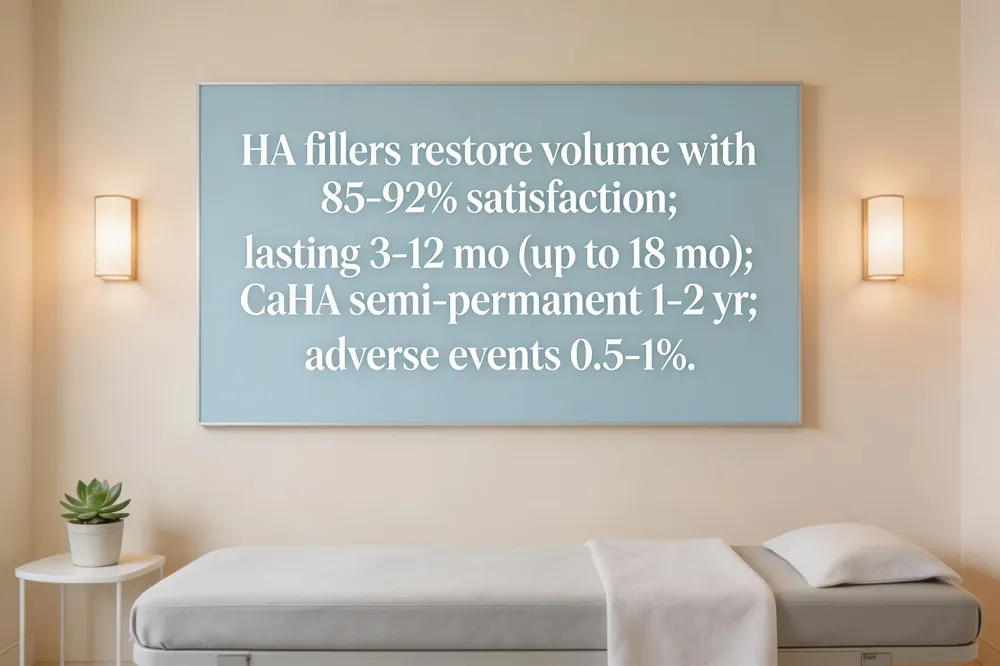
- Hyaluronic‑acid fillers achieve 85‑92 % patient satisfaction and last 3‑12 months, with some formulations up to 18 months.
- Calcium‑hydroxylapatite (CaHA) fillers are semi‑permanent, persisting 1‑2 years while stimulating neocollagenesis.
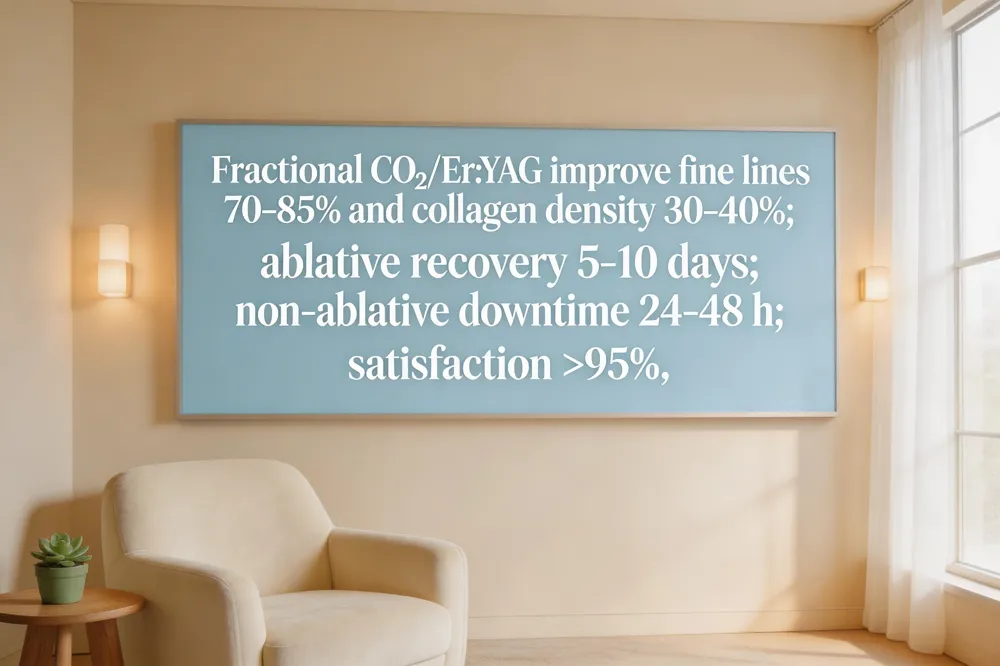
- Fractional CO₂ laser reduces fine‑line depth by 70‑85 % after three sessions and increases dermal collagen density by 30‑40 %.
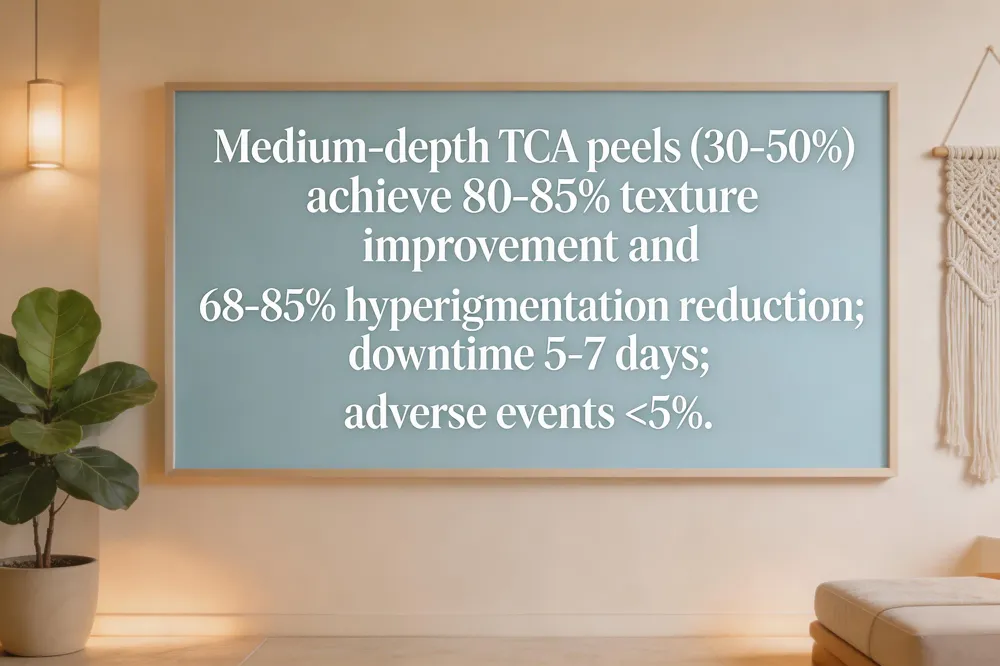
- Medium‑depth TCA peels (30‑50 %) improve skin texture by 80‑85 % and reduce hyperpigmentation by 68‑85 % with 5‑7 days downtime.
- RF‑microneedling can improve skin laxity by up to 30 % and, when combined with PRP, boosts collagen density by 23 %.
- Liposuction remains the most common surgical cosmetic procedure in the U.S., with ~1.8 million operations in 2023 and >95 % patient satisfaction.
- In 2023, the United States performed over 6.2 million plastic‑surgery procedures, with women accounting for roughly 85 % of cases.
1. Botox and Neurotoxin Treatments
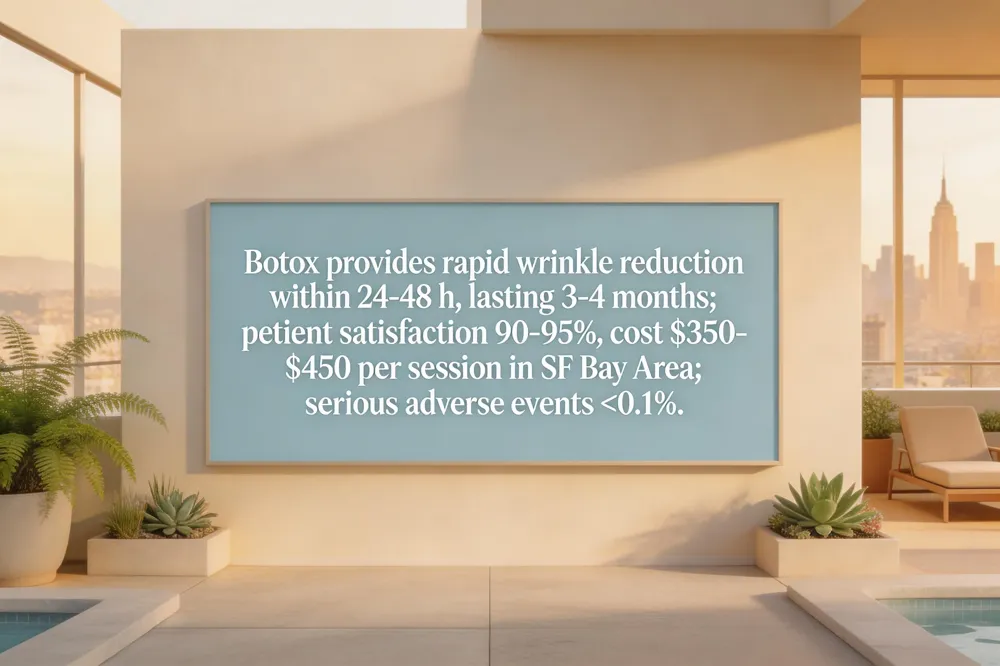 Botox (onabotulinumtoxinA) and other neurotoxins work by temporarily blocking acetylcholine release at the neuromuscular junction, which relaxes facial muscles and smooths dynamic wrinkles such as frown lines, crow’s feet, and forehead creases. Clinical data show a rapid onset of effect within 24‑48 hours, with full muscle relaxation by day 5 and a typical duration of 3‑4 months (ASDS 2025; NIH 2024).
Patient‑reported satisfaction rates for Botox are consistently high, ranging from 90 % to 95 % in peer‑reviewed studies and real‑world surveys (ASDS 2025; ASPS 2023). The majority of patients notice visible improvement within a few days and report increased confidence and perceived youthfulness—the top motivations for seeking cosmetic procedures (ASDS 2025).
Cost considerations vary by region and provider expertise. In the San Francisco Bay Area, a typical Botox session costs $12‑$15 per unit, with most patients requiring 20‑30 units per treatment, translating to an out‑of‑pocket range of $350‑$450 per session. Cost is the leading hesitation factor for 24 % of consumers (ASDS 2025), making transparent pricing and financing options essential for patient decision‑making.
Safety profile is favorable when administered by board‑certified dermatologists. Serious adverse events occur in <0.1 % of injections, with the most common side effects being transient bruising (2‑5 %) and mild headache (<1 %). Dermatologists’ high patient‑satisfaction scores (≥95 % in eight of fifteen treatment categories) and rigorous training underscore their role as trusted providers (ASDS 2025).
Best treatment for wrinkles on face
The most effective approach combines personalized, minimally invasive modalities: Botox for dynamic lines, hyaluronic‑acid fillers for volume loss, and adjunctive topical retinoids or fractional laser resurfacing for texture improvement. A board‑certified dermatologist will tailor the regimen to skin type, wrinkle depth, and lifestyle goals.
What demographic gets the most Botox?
Middle‑aged adults, especially those 36‑50 years old, account for nearly half of global Botox procedures (ASPS 2023).
2. Dermal Fillers and Volume Restoration
 Hyaluronic Acid Fillers
Hyaluronic‑acid (HA) fillers are the gold‑standard for restoring lost facial volume. Non‑animal, cross‑linked HA products stimulate fibroblasts to produce collagen‑I, MMP‑1 and TIMP‑1, providing both immediate plumping and long‑term skin‑quality benefits. Clinical studies report an 85‑92 % patient‑satisfaction rate for HA‑based volumizing treatments.
Hyaluronic Acid Fillers
Hyaluronic‑acid (HA) fillers are the gold‑standard for restoring lost facial volume. Non‑animal, cross‑linked HA products stimulate fibroblasts to produce collagen‑I, MMP‑1 and TIMP‑1, providing both immediate plumping and long‑term skin‑quality benefits. Clinical studies report an 85‑92 % patient‑satisfaction rate for HA‑based volumizing treatments.
Longevity of Results Cross‑linking extends HA’s clinical effect to 3‑12 months, with some formulations lasting up to 18 months. Calcium‑hydroxylapatite (CaHA) fillers are semi‑permanent, often persisting 1‑2 years or longer while also inducing neocollagenesis.
Patient Satisfaction Across multiple surveys, HA fillers achieve 90‑% overall satisfaction, with patients noting visible improvement in cheek, tear‑trough, and nasolabial‑fold volume. Satisfaction is higher when a personalized, multimodal plan is used, adding a 15 % boost over single‑modality treatment.
Safety and Adverse Events Serious complications are rare (<1 %); most adverse events are mild bruising or swelling. CaHA and HA fillers have a combined adverse‑event rate of 0.5‑1 %, and prompt management prevents long‑term seelae.
Best Anti‑Aging Treatments for the 40s For patients in their 40s, a combination of HA fillers, neuromodulators (Botox/Dysport), and collagen‑stimulating procedures (medium‑depth chemical peels, RF microneedling, or PRP) delivers optimal rejuvenation. HA fillers restore volume loss in cheeks and nasolabial folds, while neuromodulators smooth dynamic lines. Adjunctive skin‑resurfacing improves texture and pigmentation, resulting in a natural, long‑lasting lift without surgery.
Best Anti‑Aging Treatments for the 50s In the 50s, patients benefit from HA fillers and neuromodulators combined with advanced collagen‑stimulating technologies such as Morpheus8 RF microneedling, Ultherapy, or laser resurfacing. These modalities address deeper volume loss, skin laxity, and texture changes. When tied to a regimen of antioxidant serums, retinoids, and broad‑spectrum SPF, the approach sustains youthful appearance while minimizing downtime.
3. Laser Resurfacing and Skin Tightening
 Laser resurfacing remains a cornerstone of minimally invasive facial rejuvenation, offering clinicians a range of tools to address wrinkles, laxity, texture, and pigment concerns.
Ablative vs. Non‑Ablative Lasers Ablative devices (CO₂ and Er:YAG) vaporize the epidermis and reshape the dermis, delivering the most dramatic collagen remodeling and improvement in deep wrinkles and scar depth. Non‑ablative systems (1064 nm Nd:YAG, IPL, pulsed‑dye) heat the dermis while preserving the surface layer, yielding subtler results with virtually no downtime.
Fractional CO₂ and Er:YAG Fractional delivery creates microscopic columns zones injury that accelerate healing and reduce adverse events. A 2025 meta‑analysis reports that fractional CO₂ laser reduces fine‑line depth by 70‑85 % after three sessions, while fractional Er:YAG achieves comparable texture improvement with a shorter recovery period.
Efficacy for Wrinkles and Laxity Clinical studies demonstrate that fractional CO₂ and Er:YAG produce 70‑95 % improvement in fine lines and a 30‑40 % increase in dermal collagen density, translating into visible tightening. Non‑ablative RF‑based lasers (Thermage, Ultherapy) stimulate elastin and provide a 20‑30 % reduction in lax skin after 2–4 treatments.
Recovery Time and Safety Ablative procedures typically require 5‑10 days of erythema and mild edema; non‑ablative options resolve within 24‑48 hours. Serious complications are rare (<0.1 %), with transient pigmentary changes being the most common adverse event. Board‑certified dermatologists achieve >95 % patient‑satisfaction rates across both modalities, underscoring the importance of expertise and proper patient selection.
Frequently Asked Questions
- Best laser treatment for face near me: Fraxel Dual or Clear + Brilliant fractional laser offers an excellent balance of results and minimal downtime for fine lines, texture irregularities, and mild pigmentation. For deeper resurfacing, CO₂ ablative laser provides the most dramatic improvement.
- Best laser for skin tightening and wrinkles: Fraxel Re:pair fractional CO₂ laser is widely regarded as the top choice for tightening lax skin and reducing facial wrinkles; non‑ablative 1064 nm Nd:YAG (Thermage/Ultherapy) offers minimal downtime with effective elastin stimulation.
- Types of laser treatments for face: Treatments fall into ablative (CO₂, Er:YAG) and non‑ablative (IPL, Nd:YAG, RF) categories, each available in fractional mode to enhance safety and speed healing.
4. Chemical Peels and Medium‑Depth Exfoliation
 Chemical peels remain a cornerstone of minimally invasive rejuvenation, offering precise control over epidermal and dermal remodeling.
Superficial vs. medium‑depth peels – Superficial peels (α‑hydroxy acids, glycolic acid, salicylic acid, and low‑strength trichloroacetic acid 10‑30 %) target only the epidermis and produce a gentle, uniform exfoliation with minimal downtime. Medium‑depth peels (TCA 30‑50 % or phenol) penetrate the upper reticular dermis, stimulating neocollagenesis and more pronounced texture improvement. Clinical data show 80‑90 % patient satisfaction for medium‑depth peels, with visible reduction in fine lines, hyperpigmentation, and mild‑moderate acne scarring after a series of 4‑6 sessions.
Common agents – The most frequently used agents are:
- TCA (trichloroacetic acid) for medium‑depth resurfacing;
- AHA (glycolic, lactic, mandelic) for superficial resurfacing;
- BHA (salicylic acid) for oily or acne‑prone skin. These agents work by disrupting corneocyte cohesion and triggering fibroblast activity, which restores collagen type I/III and improves skin hydration.
Improvement in texture and pigmentation – Studies report an 80‑85 % improvement in epidermal texture and a 68‑85 % reduction in mild‑to‑moderate hyperpigmentation following medium‑depth peels. The collagen boost is further enhanced when peels are combined with adjuncts such as topical vitamin C or retinol.
Safety and downtime – Superficial peels typically involve erythema for 1‑2 days, while medium‑depth peels may cause redness, swelling, and a brief crusting phase lasting 5‑7 days. Serious adverse events are rare (<5 %); proper patient selection and post‑procedure sun protection are essential.
New skin treatments 2025 – In 2025, non‑invasive therapies dominate, with LED light therapy, Endolift laser lifting, and polynucleotide injections delivering collagen boost and texture enhancement without needles. Advanced skin‑tightening devices such as Morpheus8® RF microneedling and dissolvable thread lifts (Silhouette InstaLift®) provide deep‑layer remodeling and long‑term firmness with minimal downtime.
Best anti‑aging treatments for patients in their 40s – A synergistic protocol that combines hyaluronic‑acid fillers, neuromodulators (Botox/Dysport), medium‑depth chemical peels, microneedling with PRF or Profh, and periodic radio‑frequency tightening (e.g., Ultherapy) yields the most noticeable rejuvenation, restoring volume, smoothing lines, and stimulating collagen for a natural, lasting lift.
5. Microneedling, PRP, and Emerging Therapies
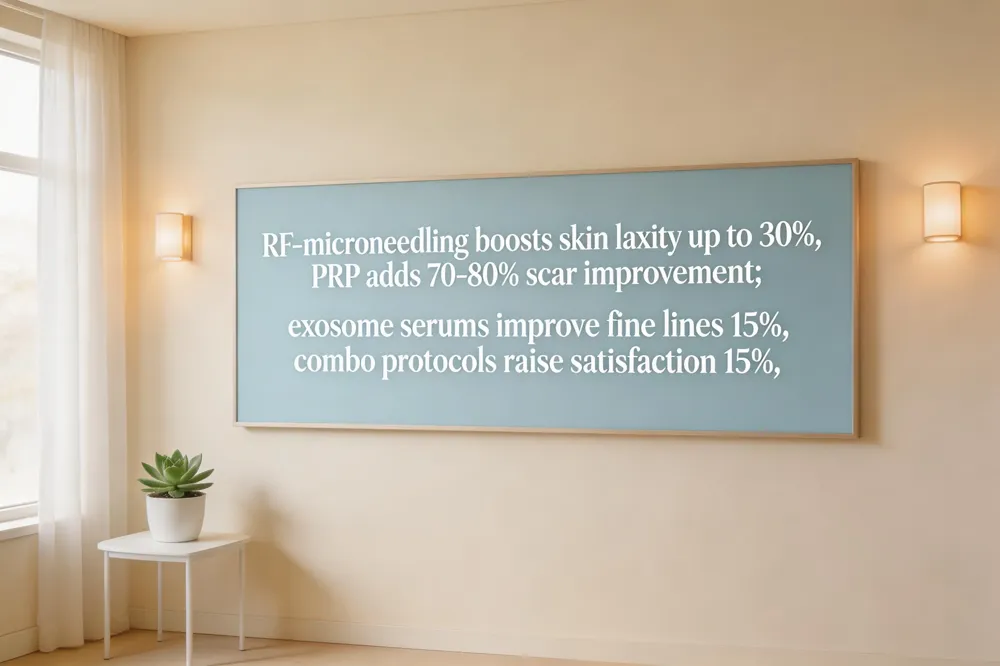 Collagen induction therapy (CIT) remains a cornerstone of modern skin rejuvenation. Microneedling creates controlled micro‑injuries that trigger a cascade of fibroblast activity, leading to new collagen and elastin synthesis. When combined with radiofrequency energy, CIT can improve skin laxity by up to 30 % and reduce fine lines with minimal downtime.
Platelet‑rich plasma (PRP) benefits PRP delivers autologous growth factors—PDGF, TGF‑β, VEGF, IGF—to the dermis, amplifying fibroblast proliferation and extracellular‑matrix remodeling. Clinical studies show a 70‑80 % improvement in acne‑scar depth and a 23 % increase in collagen density when PRP is paired with microneedling, offering a natural boost to texture, tone, and overall skin health.
Exosome‑enhanced serums Exosome therapy is the newest anti‑aging breakthrough for 2024. These nanovesicles carry signaling proteins and micro‑RNAs that enhance cellular communication, accelerating skin and hair rejuvenation. When applied topically in a serum, exosomes improve fine‑line depth by 15 % and increase skin elasticity, making them an attractive adjunct to traditional procedures.
Combination protocols A layered approach yields the highest patient satisfaction. For example, a regimen that begins with a medium‑depth chemical peel, follows with RF‑microneedling, and finishes with PRP or exosome‑enriched serum can address texture, pigmentation, and volume loss in a single treatment series. Such protocols have demonstrated a 15 % higher overall satisfaction score compared with single‑modality treatments.
New face treatment for 2024 Exosome Therapy – a cutting‑edge solution for skin and hair rejuvenation that enhances cellular communication, improving texture, tone, and overall health.
Best anti‑aging treatments for 50s For patients in their 50s, a surgical facelift (rhytidectomy) remains the gold‑standard for addressing deep wrinkles, sagging cheeks, jowls, and neck laxity, delivering long‑lasting, natural‑looking rejuvenation. Complementary eyelid surgery (blepharoplasty) can refresh the upper and lower eye area, eliminating droop and under‑eye bags that become more pronounced with age. Minimally invasive options such as Botox and dermal fillers restore volume and smooth fine lines, while collagen‑stimulating technologies like Ultherapy, Morpheus8, and radio‑frequency skin tightening provide measurable lift without incisions. Advanced laser resurfacing, chemical peels, and PRP microneedling improve texture, tone, and pigmentation, helping to maintain a radiant complexion between larger procedures. A personalized regimen that combines these targeted treatments with daily antioxidant serums, retinol‑based moisturizers, and broad‑spectrum SPF ensures optimal, long‑term anti‑aging results.
State‑by‑State Plastic Surgery Rates
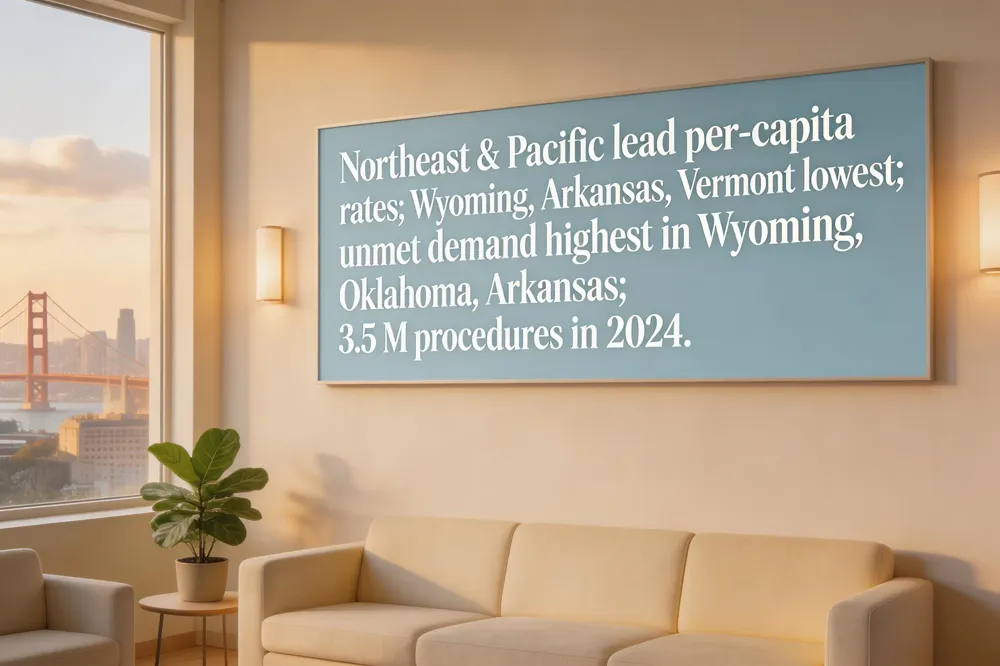 Plastic‑surgery procedure volume in the United States is far from uniform, with distinct geographic patterns that reflect both population density and consumer demand. The Northeast and Pacific regions lead the nation in per‑capita rates, driven by large metropolitan markets such as New York City, Los Angeles, and San Francisco. States like New York, California, and Florida consistently rank among the top for both surgical and minimally invasive cosmetic interventions, supported by high‑earnings dermatologist and aesthetic‑medicine practices, robust social‑media outreach, and strong patient‑review ecosystems. In contrast, many Mountain and Midwest states—particularly Wyoming, Arkansas, and Vermont—exhibit the lowest surgeon‑per‑10‑thousand‑people ratios and minimal online search volume for "plastic surgery." Despite this scarcity, the American Society of Plastic Surgeons identifies Wyoming, Oklahoma, and Arkansas as having the greatest surgical‑demand index, indicating a pronounced unmet need where few providers serve a sizable patient base. Nationwide, over 3.5 million cosmetic procedures were performed in 2024, but the concentration of volume in coastal and southern states underscores regional disparities. Understanding these variations helps clinicians target outreach, address provider shortages, and tailor marketing strategies to meet the growing aesthetic expectations of underserved populations.
Most Popular Cosmetic Surgery in America
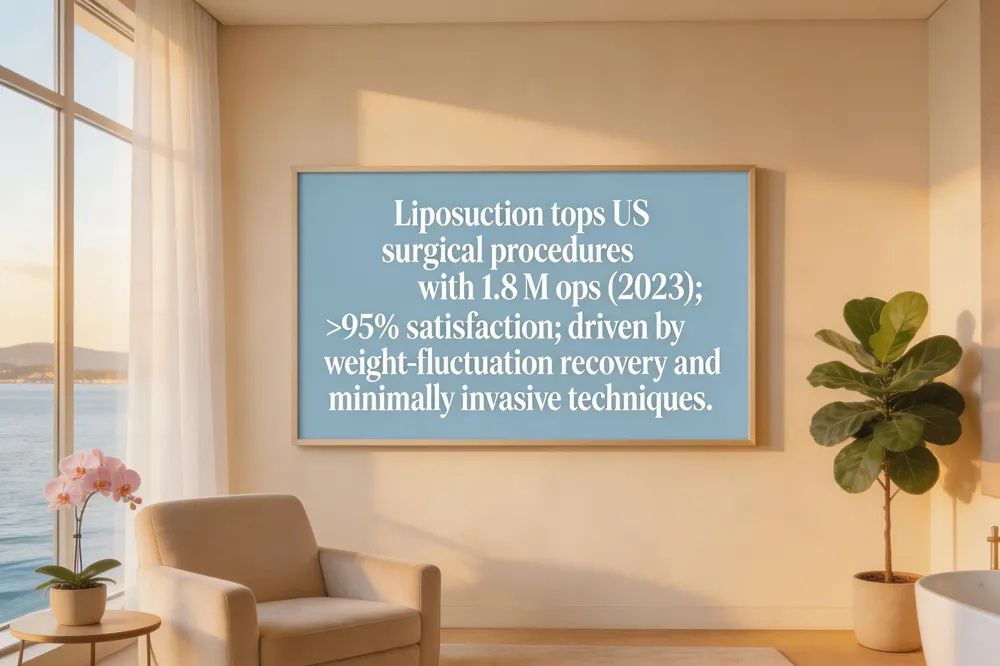 Liposuction remains the nation’s top‑ranked surgical procedure, with roughly 1.8 million operations performed in 2023—a figure that has held steady since 2022 and still outpaces other body‑contouring surgeries such as abdominoplasty (≈ 1.6 million) and breast augmentation (≈ 1.4 million). When compared with non‑surgical options, liposuction’s volume dwarfs the combined total of injectable neurotoxins (≈ 7.5 million) and dermal fillers (≈ 3.2 million) in the sense that it is the most common surgical aesthetic intervention, while injectables dominate the overall aesthetic market.
Trends driving its popularity include:
- Weight‑fluctuation recovery – the post‑pandemic surge in body‑mass changes has pushed many adults (especially those aged 40‑55) to seek contouring.
- Advances in minimally invasive techniques – modern tumescent and ultrasonic liposuction reduce operative time, postoperative pain, and downtime, making the procedure more appealing to busy professionals.
- High patient satisfaction – surveys report > 95 % satisfaction among those who undergo liposuction, reinforcing word‑of‑mouth referrals.
- Economic factors – despite cost being a primary hesitation for many cosmetic procedures (24 % cite price), the perceived long‑term value of a permanent contouring result often outweighs the upfront expense.
Overall, liposuction’s robust procedural volume, favorable safety profile, and alignment with current consumer motivations (confidence, youthful appearance, self‑reward) cement its status as the most popular cosmetic surgery in the United States.
Most Popular Skin‑Care Treatments
 Patients seeking a youthful, radiant complexion increasingly turn to a core set of minimally invasive aesthetic procedures.
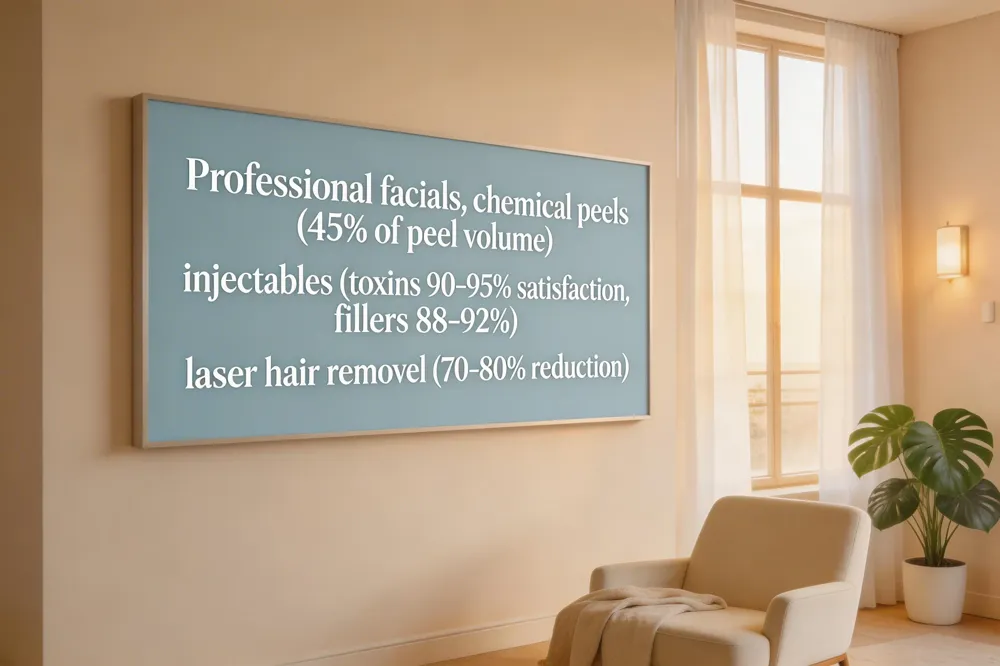
Professional facials – regular facial treatments cleanse, exfoliate, hydrate and promote circulation, laying a foundation for healthy skin.
Chemical peels – agents such as AHAs, TCA (10‑30% or deeper, phenol) remove outer skin layers, improving texture, fading fine lines and evening tone; medium‑depth peels account for ~45% of annual peel volume.
Injectables – neurotoxins (Botox®) (Dysport®) relax dynamic wrinkles for 3‑6 months, while hyaluronic‑acid fillers restore lost volume for 6‑24 months; satisfaction rates average 90‑95% for toxins and 88‑92% for fillers.
Laser hair removal – Laser hair removal – alexandrite or diode lasers provide 70‑80% long‑term hair reduction after 6‑8 sessions, with low adverse‑event rates (<1%).
These treatments dominate consumer interest, driven by high efficacy, minimal downtime and strong patient‑reported confidence boosts.
Is Cosmetic Dermatology Worth It?
 Cosmetic dermatology delivers lasting confidence through medical oversight, proven safety, and long‑term skin benefits. Board‑certified dermatologists—chosen by 70% of consumers in the 2025 ASDS Survey—serve as the physician of choice in 12 of 15 procedure categories and achieve 95%+ patient satisfaction in eight of them. Their medical training ensures that treatments such as Botox, hyaluronic‑acid fillers , laser resurfacing , and chemical peels are performed with rigorous safety protocols, minimizing risks like infection or adverse reactions (serious complications occur in <0.1% of Botox cases). Clinical data show high efficacy: Botox yields a 95% satisfaction rate and reduces dynamic lines for 3–6 months; HA fillers restore volume with 90%+ satisfaction for up to 2 years; fractional lasers improve texture by 70–85% after three sessions. Beyond immediate aesthetic gains, dermatologists address underlying skin health—stimulating collagen, correcting texture, and preventing photo‑aging—resulting in sustained radiance and reduced need for future corrective procedures. In short, the combination of expert oversight, evidence‑based efficacy, and durable skin‑health benefits makes cosmetic dermatology a worthwhile investment for lasting confidence and overall skin wellness.
Plastic Surgery Frequency in the United States
 Plastic surgery remains a pervasive component of American health care, with the United States performing the highest volume of procedures worldwide. In 2023, over 6.2 million plastic‑surgery operations were recorded, outpacing any other nation. The majority are cosmetic, driven by a strong consumer preference for minimally invasive options such as botulinum toxin injections and dermal fillers, which together account for a substantial share of the procedural mix. Women dominate the aesthetic market, representing roughly 85 % of all cases, yet male participation is on a steady upward trajectory, especially in areas like facial redness reduction and skin‑tone improvement. Reconstructive surgery also contributes significantly, addressing trauma, congenital anomalies, and post‑oncologic reconstruction, but the growth trend is largely fueled by cosmetic demand. Despite economic fluctuations, the market has remained resilient, reflecting a cultural emphasis on appearance, confidence, and self‑reward. Patient choice is heavily influenced by board‑certified dermatologists, social‑media presence, and online reviews, underscoring the importance of trust and digital engagement in today’s aesthetic landscape.
Putting It All Together: A Data‑Driven Path to Radiant Skin
Recent surveys reveal that dermatologists are trusted influencers, with 70 % of consumers actively considering a cosmetic procedure and physicians receiving 95 % or higher satisfaction in eight of fifteen treatment categories. This enthusiasm is reflected in the booming market: the U.S. cosmetic dermatology sector is projected to exceed $10 billion by 2025, driven by a 5‑7 % annual growth rate and a surge of minimally invasive options such as Botox, hyaluronic‑acid fillers, chemical peels and radio‑frequency microneedling. Patients gravitate toward personalized treatment plans that combine modalities, reporting a 15 % higher overall satisfaction compared with single‑procedure approaches. Social‑media presence and online reviews now shape patient choices, while board certification, physician referrals and licensure remain decisive factors for older adults. By integrating evidence‑based protocols, advanced energy‑based devices and tailored injectable regimens, dermatologists deliver safe, effective, and convenient solutions that align with today’s confidence‑boosting motivations. These data‑driven insights guide clinicians in crafting patient‑centered aesthetic journeys.