Laser Treatments Can Improve Visible Sun Damage
Laser resurfacing can improve some visible effects of sun damage, including age spots, uneven skin tone, fine lines, and rough texture. It can refresh the skin’s appearance, but it cannot erase all sun damage, prevent future changes, or correct sagging skin, as Mayo Clinic’s overview of laser resurfacing explains.
The right approach depends on the concern being treated, your skin and health history, and how much recovery time you can accommodate. A clinician should also assess pigmented spots before treatment, since not every brown mark is a sunspot and some conditions may need a different response.
Laser resurfacing and light-based treatments are distinct options. At Aesthetic Surgery Center – San Francisco, services include light-to-deep laser skin resurfacing and BBL photorejuvenation, a light-based treatment rather than a laser. The consultation helps match the treatment to your skin and goals.
What Resurfacing Can Improve
 Resurfacing Can Improve Sun Damage, Texture, and Fine Lines
Laser resurfacing can improve some visible effects of sun damage, including pigmentation, rough texture, and fine lines. The degree of change varies by treatment and individual, and resurfacing does not replace an examination of a suspicious or changing spot.
Sunspots, also called lentigines, age spots, or liver spots, are flat marks that range from light brown to black. They commonly appear on areas exposed to the sun, such as the face, shoulders, and hands. Some laser and light treatments can reduce these spots, though the right approach depends on the skin and the concern being treated. Mayo Clinic’s guidance on sunspots explains why assessment should come before treatment.
Resurfacing may also improve uneven color, fine wrinkles, and rough or uneven texture. Ablative treatments can produce more substantial changes with longer recovery, while nonablative approaches tend to offer subtler improvement with less recovery. Neither approach corrects sagging skin. A consultation for laser skin resurfacing at Aesthetic Surgery Center – San Francisco can help clarify which concerns treatment may address.
A brown mark should be assessed before cosmetic treatment because not every spot is a sunspot. Melasma may worsen with laser treatment, and melanoma can resemble an age spot and needs prompt identification. A clinician should evaluate the spot and confirm its nature before considering treatment.
Results may last for years, but duration varies. Aging and further sun exposure can affect the skin over time, and resurfacing cannot erase all sun damage or prevent new changes. The Mayo Clinic overview of laser resurfacing describes ongoing sun protection as part of caring for treated skin.
For patients considering treatment in San Francisco or the Bay Area, Dr. Macdonald’s practice offers BBL photorejuvenation as well as light-to-deep laser resurfacing. Treatment planning begins with the skin’s visible concerns and an assessment of whether a spot needs medical evaluation first.
Treatment Choices Depend on the Skin
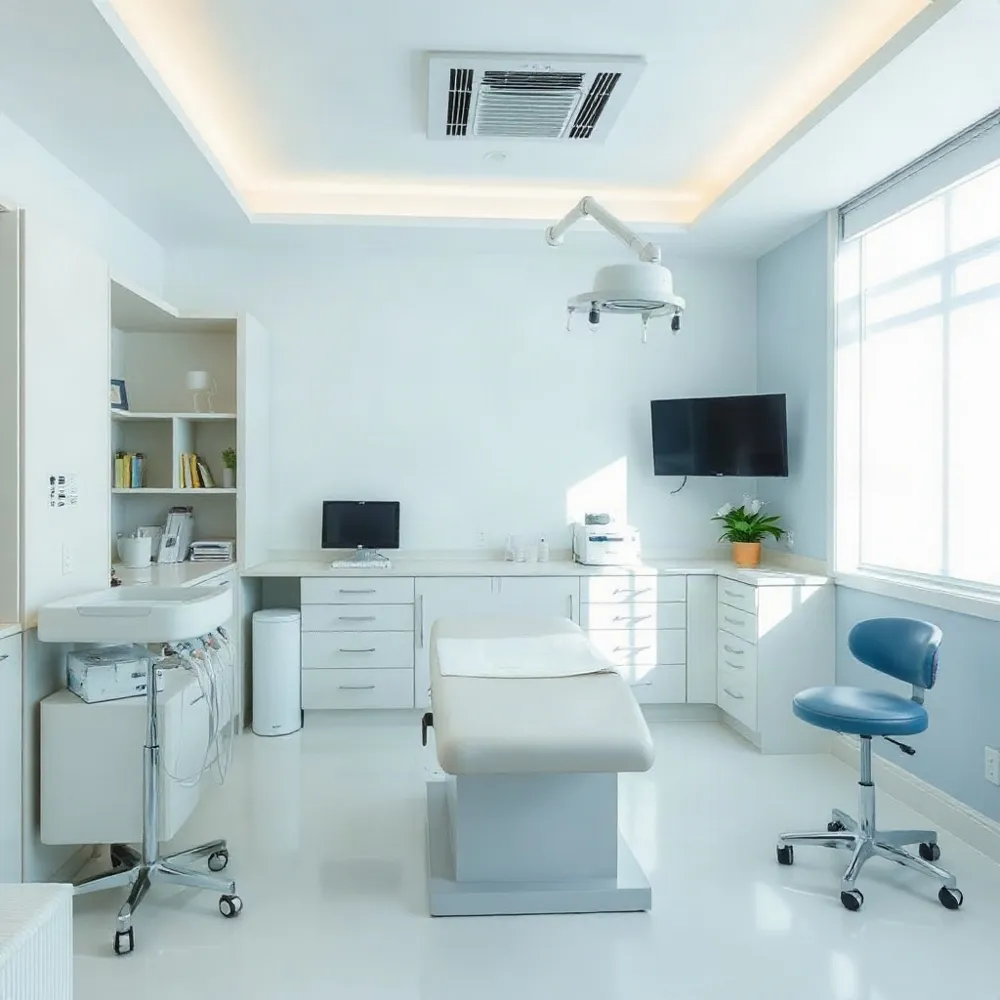 Treatment Choices Depend on the Skin
There is no single laser treatment that suits everyone with sun damage. The right approach depends on the type of concern, skin tone, medical history, goals, and how much recovery a person can accommodate.
Ablative resurfacing removes the outer skin layer and heats the tissue beneath it. This can lead to more substantial changes in skin texture, but it usually requires more recovery. Nonablative lasers and light sources stimulate collagen without removing the surface layer. They generally involve shorter recovery, with results that tend to appear more gradually and subtly.
Fractional techniques deliver treatment in microscopic columns, leaving nearby tissue untreated. This approach may reduce recovery or side-effect risk, but often requires multiple sessions. Intense pulsed light, or IPL, is a light-based treatment rather than a laser; it may be considered for discoloration and other pigment concerns.
Ablative, nonablative, fractional, and light-based treatments differ in how they affect the skin and how much recovery they involve. An individualized assessment helps determine which approach fits the concern, skin tone, health history, and treatment goals.
At Aesthetic Surgery Center in San Francisco, laser skin resurfacing and BBL photorejuvenation are options to discuss. The consultation can help clarify which, if either, may be appropriate for your skin.
Risks and Recovery Need Individual Planning
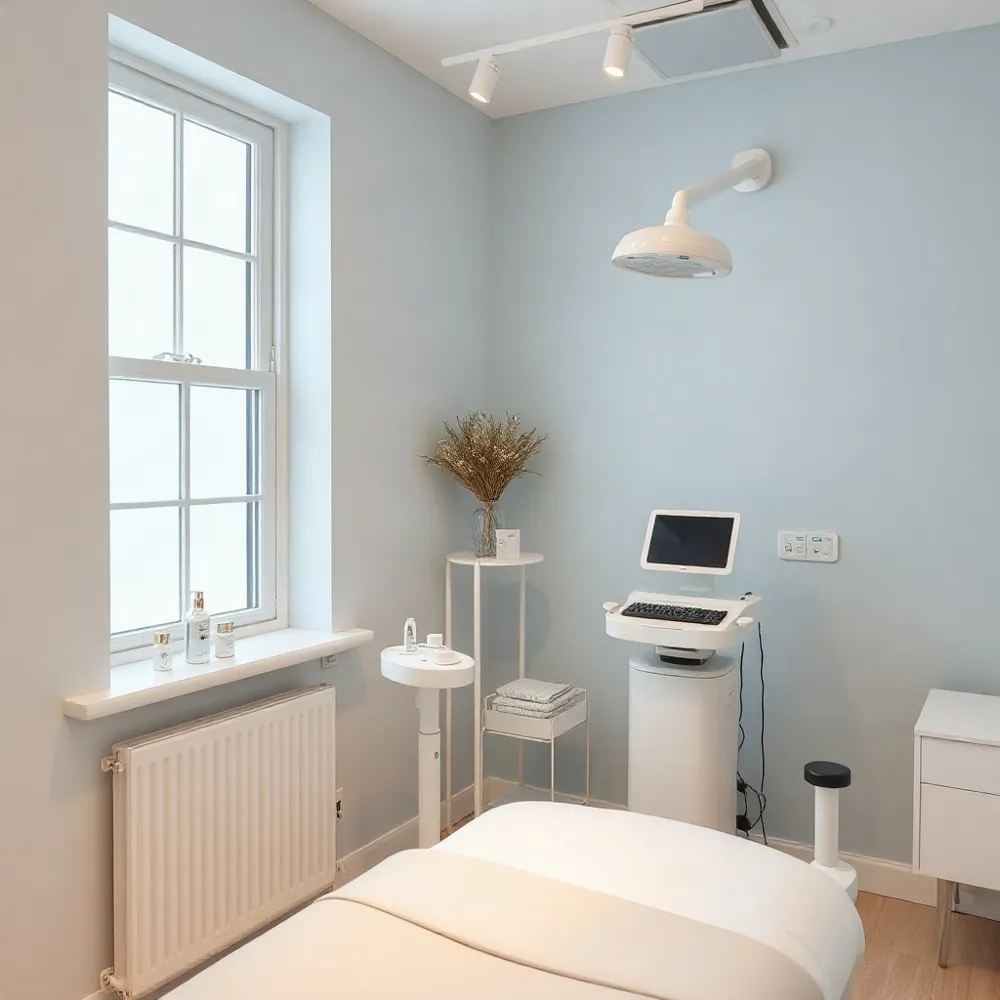 Facial laser resurfacing carries risks and possible side effects including redness, swelling, itching, warmth or discomfort, dryness, and peeling. Possible complications include infection, acne or temporary milia, a cold-sore flare, prolonged redness, scarring, and darker or lighter skin. The risks depend on treatment depth and personal factors, so a clinician should assess the skin and medical history before recommending a plan.
People with brown or Black skin may have a higher risk of lasting color changes after resurfacing. A provider’s experience selecting devices and settings for different skin tones matters; discuss pigment-change risks and possible alternatives during your assessment. Mayo Clinic’s laser resurfacing guidance also recommends reviewing factors such as medications, prior procedures, sun sensitivity, and skin condition.
Recent sun exposure or tanning, a history of cold sores, certain skin conditions, medications, and previous procedures can affect suitability and preparation. At Aesthetic Surgery Center – San Francisco, laser skin resurfacing is planned around the patient’s skin and concerns, rather than assuming that one treatment depth suits everyone.
Healing time after laser resurfacing varies by treatment. Nonablative recovery is often shorter, while ablative treatment may involve swelling and itching; new skin commonly covers the treated area in 7 to 10 days, and full recovery can take at least a month, according to Mayo Clinic.
Follow your treating clinician’s wound-care directions, and ask before resuming skin-care products or activities. Do not pick or scratch peeling skin, and protect healing skin from sunlight. The American Society of Plastic Surgeons’ recovery guidance also emphasizes following the surgeon’s specific instructions. For San Francisco and Bay Area patients, a consultation can clarify likely recovery needs and whether resurfacing fits their circumstances.
Sessions and Cost Vary by Treatment Plan
The number of treatments depends on the type of sun damage, the technique selected, and how your skin responds. Some ablative approaches may be completed in one session, while nonablative or fractional resurfacing often involves a series; published session ranges are general guidance, not a prediction for an individual.
Sunspots also vary in number, depth, and cause. A clinician should assess the spots and confirm they are appropriate for cosmetic treatment before recommending a plan. The Mayo Clinic’s guidance on treating sunspots notes that more than one laser or light treatment may be needed, while the number of resurfacing sessions varies by technique and treatment plan.
Number of laser treatments needed varies by individual
The number varies with the spots’ type, number, and depth, the treatment used, and your skin’s response. Some concerns may improve after one session, while others may need a series. An assessment can help determine whether treatment is appropriate and set realistic expectations. At Aesthetic Surgery Center in San Francisco, laser skin resurfacing and BBL photorejuvenation are among the facial skin-treatment options Dr. Macdonald can discuss.
Factors that determine the cost of laser resurfacing
Cost depends on the treatment area, method and depth, procedure time, and the number of sessions in the recommended plan. Ask whether related costs, such as anesthesia or prescribed medication, apply. Cosmetic laser and light treatments for sunspots are typically not covered by insurance, so confirm coverage directly with your insurer.
A consultation can clarify the proposed approach, expected number of sessions, recovery needs, and personalized estimate. To discuss your options, book a consultation or call (415) 956-3223.
Frequently Asked Questions
Is every brown spot on the face a sunspot?
No. A qualified provider should assess a spot before cosmetic treatment. Melasma may worsen with laser treatment, and melanoma can resemble a sunspot and needs prompt identification. Mayo Clinic’s guidance on sunspots explains why confirming the diagnosis matters.
Are there options besides laser treatment for sunspots?
A provider may discuss topical creams, including retinoids or hydroquinone, instead of or alongside light or laser treatment. Other topical agents may also be considered. The right choice depends on the spot’s diagnosis, your skin, and your goals. At Aesthetic Surgery Center, options include laser skin resurfacing and BBL photorejuvenation.
How can I help prevent sunspots from returning?
Use broad-spectrum sunscreen with SPF 30 or higher and wear protective clothing when outdoors. These steps help limit further sun damage and reduce the chance of spots returning. For an individualized discussion of facial skin treatment in San Francisco, book a consultation or call (415) 956-3223.
A Consultation Can Clarify Your Options
The right approach depends on an examination of your skin, the concern you want to address, and a clear discussion of expected benefits, risks, and recovery. Sunspots and other changes can look alike, so assessment helps guide a suitable plan.
Learn about laser procedures at Aesthetic Surgery Center – San Francisco. To discuss your options, book a consultation or call (415) 956-3223.