Introduction to Facial Rejuvenation Surgery and Candidacy
Understanding Facial Rejuvenation Goals
Facial rejuvenation aims to restore a youthful, balanced, and natural look by addressing visible signs of aging such as sagging skin, wrinkles, jowls, and loss of facial volume. Treatments can improve facial proportions and reduce deep lines, enhancing overall appearance and self-confidence.
Importance of Candidacy Assessment
Determining candidacy is critical to achieving safe and satisfying outcomes. Ideal candidates are generally in good health, non-smokers, have realistic expectations, and possess adequate skin elasticity. A thorough medical history and physical examination by a qualified surgeon ensure patients are suitable for either surgical or non-surgical interventions.
Surgical vs. Non-Surgical Procedures
Surgical options like facelifts provide longer-lasting corrections by lifting and tightening underlying facial tissues, requiring incisions and anesthesia with a recovery period of about two weeks. Non-surgical treatments such as dermal fillers, Botox®, chemical peels, and laser resurfacing offer less invasive improvements with shorter downtime but typically yield temporary results requiring maintenance treatments.
Choosing the right approach depends on factors like the extent of aging, patient health, and personal goals, with professional consultation essential for customized treatment planning.
What is Facial Rejuvenation Surgery and Who Is It For?
What is facial rejuvenation surgery and what results can be expected?
Facial rejuvenation surgery refers to a suite of surgical procedures designed to restore a more youthful and refreshed facial appearance. These procedures typically address common signs of aging such as sagging skin, deep wrinkles, jowls, loose neck skin, and volume loss in the midface. Common surgical options include facelifts, brow and forehead lifts, eyelid surgery, and neck lifts. The goal is to lift and tighten sagging tissues, smooth wrinkles, and improve facial contours to create a firmer, smoother, and more vibrant look.
Patients can expect natural-looking results that rejuvenate but do not drastically alter their fundamental features. The effects of surgery can diminish the appearance of aging by roughly 7 to 10 years and tend to last several years, often up to a decade or more depending on the individual’s lifestyle, skin care, and genetics. Recovery typically involves a 10 to 14-day period of swelling and bruising, with full results visible after a few months.
Who is a good candidate for facelift or facial rejuvenation surgery?
Ideal Candidates for facial rejuvenation are generally between their 40s and 70s and are experiencing visible signs of aging such as sagging skin along the cheeks, jawline, and neck. Suitable candidates should have some skin elasticity remaining, which enhances the ability of the skin to adapt and heal after surgery.
Good overall health is essential; candidates should be free from serious health conditions such as uncontrolled diabetes, heart disease, or high blood pressure. Non-smokers, or those willing to quit smoking prior to surgery and during recovery, have a lower risk of complications and better healing.
Patients should possess realistic expectations , understanding that facial rejuvenation enhances natural appearance rather than creating a completely new look. A thorough consultation with a board-certified plastic surgeon is necessary to evaluate medical history, skin condition, and aesthetic goals, ensuring a personalized and safe surgical plan.
| Topic | Details | Notes |
|---|---|---|
| Definition | Surgical procedures improving facial youthfulness | Includes facelifts, eyelid and neck lifts |
| Common Procedures | Facelift, brow lift, eyelid surgery, neck lift | Tailored per patient needs |
| Candidate Age Range | Typically 40–70 years | Skin elasticity important |
| Health Criteria | Good health, non-smoker, no serious disease | Critical for recovery and safety (Patient safety information) |
| Expected Results | Natural, firmer, smoother face lasting years | Results last up to a decade with care |
Examples of Facial and Cosmetic Surgery Procedures
What are examples of cosmetic surgery?
Cosmetic surgery includes a broad spectrum of procedures designed to enhance physical appearance and boost an individual’s confidence. Surgical examples encompass rhinoplasty (nose reshaping), facelifts to address sagging skin and wrinkles, breast augmentation, liposuction for body contouring, and tummy tucks. Alongside these, minimally invasive or non-surgical treatments such as Botox® injections, dermal fillers, and skin resurfacing techniques are widely sought after. These procedures target various body areas, especially the face, providing options ranging from subtle enhancements to significant transformations.
What are common facial rejuvenation procedures?
Facial rejuvenation includes both surgical and nonsurgical approaches tailored to restore a youthful and balanced appearance. Common surgical procedures consist of facelifts, which lift and tighten the face and neck; eyelid surgery (blepharoplasty), which reduces eyelid drooping and puffiness; brow and forehead lifts; and neck lifts, addressing lax skin and muscle bands. Minimally invasive treatments such as dermal fillers and Botox® are extensively used to smooth wrinkles and restore volume, while fat grafting in facial rejuvenation adds natural fullness. Skin resurfacing treatments—including laser therapy, chemical peels, and microdermabrasion—improve skin tone, texture, and pigmentation issues.
What is the role of board-certified surgeons in personalized care?
Choosing a board-certified plastic surgeon is vital for ensuring safety, professional standards, and optimal aesthetic outcomes. Experienced surgeons conduct thorough personalized consultations, evaluating patients’ health, skin condition, and aesthetic goals to design customized treatment plans. They also discuss risks, recovery expectations, and suitable procedure combinations. Facilities like the Aesthetic Surgery Center in San Francisco provide expert care integrating both surgical and non-surgical options, ensuring treatments are tailored to individual needs with an emphasis on natural results and patient satisfaction.
Non-Surgical Facelift Options: Benefits and Candidates
What is a Non-Surgical Facelift and What Are the Most Effective Options?
A non-surgical facelift uses minimally invasive methods to refresh facial appearance without incisions or general anesthesia. These procedures focus on correcting sagging skin, wrinkles, hollow cheeks, and fine lines.
Common treatments include:
- Botulinum toxin injections (Botox®, Dysport®) which relax muscles to smooth dynamic wrinkles.
- Dermal fillers (Juvederm™, Restylane®) that restore volume, enhance facial contours, and fill deep lines immediately.
- Skin-tightening methods such as radiofrequency treatments like FaceTite™ stimulate collagen for firmer skin.
These options typically require little to no downtime, with effects lasting from several months up to a year or more. Maintenance treatments are necessary for sustained results. Consulting an experienced aesthetic specialist is essential to tailor the approach based on individual facial concerns. For more information on Nonsurgical facelift overview and Nonsurgical facelift options.
Advantages of Non-Surgical Facelifts
Non-surgical facelift techniques offer multiple benefits:
- Minimal recovery time and reduced risk compared to surgical facelifts.
- Lower overall cost making them accessible to a broader range of patients.
- No large incisions or general anesthesia required.
- Ability to combine treatments for a customized rejuvenation plan.
Who Are Ideal Candidates for Non-Surgical Facelifts?
Suitable candidates generally include:
- Individuals with mild to moderate signs of aging who want to avoid surgery.
- People with sagging skin, wrinkles, jowls, or volume loss seeking subtle improvement.
- Patients without active skin conditions like eczema, psoriasis, or infections.
- Those committed to regular maintenance and skincare routines.
Non-surgical facelifts are less effective for severe facial laxity or significant muscle banding, where surgical intervention may provide better, longer-lasting results. For a detailed discussion on Candidate suitability for nonsurgical facelift and Risks of nonsurgical facelift.
Cost Considerations
Costs vary by treatment and location. Typical price ranges for non-surgical facelift sessions fall between $1,000 and $5,000, depending on the number of procedures and techniques used. Personalized consultations help clarify the most cost-effective choices based on desired outcomes.
Preparing for Facial Rejuvenation Surgery and Post-Operative Care
How can I prepare for facial plastic surgery?
Preparation begins with a thorough health evaluation to ensure you are physically fit for surgery. This may include medical exams and lab tests recommended by your surgeon. Cessation of smoking is crucial—quitting at least six weeks before surgery improves wound healing and lowers complication risks. Avoid medications like aspirin, anti-inflammatory drugs, herbal supplements, and blood thinners for at least two weeks prior, but always consult your surgeon before making any changes. See more on Good candidates for plastic surgery and Facial plastic surgery health requirements.
Limit alcohol intake, avoiding it completely 72 hours before surgery. Focus on a nutrient-rich diet with adequate protein, vitamins, and hydration to support recovery.
Wear comfortable clothing on surgery day, and refrain from using jewelry, perfume, or makeup. Arrange reliable transportation to and from the surgical facility, and ensure a companion is available to assist during your immediate recovery period.
What should I expect regarding recovery and care after surgery?
Have realistic expectations about recovery time, which typically lasts 10 to 14 days with swelling and bruising gradually subsiding during this period. Follow all post-operative instructions carefully. This includes wound care, medication regimens, and avoiding activities that may impair healing such as smoking or sun exposure.
Attend all scheduled follow-up appointments with your surgeon to monitor healing progress and address any concerns promptly. Proper post-operative care enhances results and helps achieve a natural, rejuvenated appearance. For more details, review information on Recovery time after facial plastic surgery and Post-surgery healing and activities.
Who Should Avoid Facial Rejuvenation Surgery? Risks and Contraindications
Health conditions that disqualify candidates
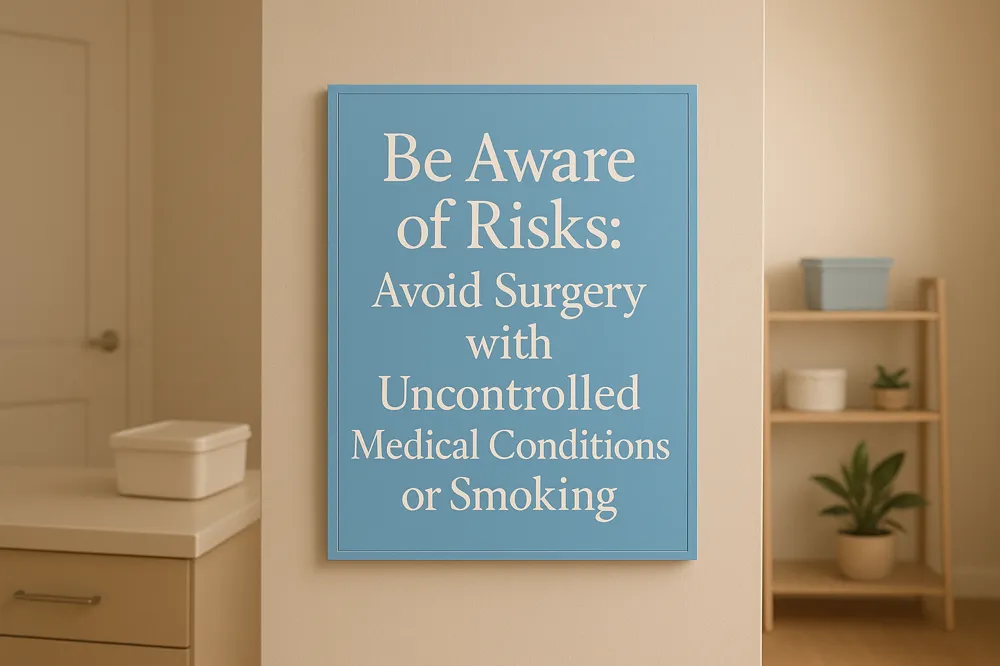
Individuals with significant uncontrolled chronic illnesses such as diabetes, hypertension, heart disease, or autoimmune disorders are generally not good candidates for Candidates for facial rejuvenation. These conditions increase the risk of surgical complications and impair the healing process. Patients who are severely overweight or have unstable weight may also experience less favorable outcomes and prolonged recovery.
Impact of smoking and lifestyle on surgical outcomes
Smoking is a major contraindication for facial cosmetic surgery because it reduces blood flow, delays wound healing, and increases the likelihood of complications such as infection and scarring. Candidates are advised to quit smoking at least several weeks before and after surgery. Additionally, poor lifestyle choices like excessive alcohol use can negatively affect results and recovery.
The necessity of mental and physical readiness
Candidates must be physically healthy and capable of tolerating anesthesia and the stresses of surgery and recovery. Equally important is mental readiness; individuals should have Realistic expectations for surgery and a positive outlook regarding surgical outcomes. Those experiencing untreated depression or lacking time for proper recovery may not be suitable for elective facial surgery.
Importance of consultations to assess risks
A thorough consultation with a board-certified plastic surgeon is essential. During this assessment, the surgeon reviews medical history, medications, lifestyle habits, and psychological status. This process determines candidacy, discusses potential risks, and ensures patients understand the procedure's limitations and recovery requirements before proceeding.
Making Informed Decisions About Facial Rejuvenation Surgery
Understanding Candidacy for Facial Rejuvenation Surgery
Ideal candidates for facial rejuvenation surgery are generally in good health without serious conditions such as uncontrolled diabetes, heart disease, or high blood pressure. Non-smokers or those willing to quit smoking before and after surgery tend to have better healing outcomes. Most candidates are between 40 and 70 years old and have visible signs of aging like sagging skin, jowls, and deep wrinkles, yet retain some skin elasticity, which is essential for surgical success.
The Role of a Personalized Consultation
A thorough consultation with a board-certified, experienced plastic surgeon is critical to assess individual health, aesthetic goals, and appropriate treatment options. This individualized approach ensures patients receive recommendations tailored to their skin condition, overall health, and desired outcomes. Surgeons also review medical history, discuss risks and recovery expectations, and can combine procedures like neck lifts or eyelid surgery for optimal rejuvenation.
Encouraging Realistic Expectations and Safety
Success in facial rejuvenation surgery relies on patients having realistic goals, understanding the procedure's capabilities, and accepting that results enhance natural appearance rather than create a dramatic transformation. Commitment to postoperative care, including protecting skin from sun damage and following medical advice, supports long-term results. Choosing qualified surgeons and accredited facilities within regulated medical standards helps ensure safety and satisfaction throughout the journey.