The New Wave of Skin Rejuvenation: 10 Advanced Lasers for Ageless Skin
In 2023, over 3.5 million skin‑resurfacing procedures were performed in the United States, a 5% increase from the previous year, underscoring the growing demand for non‑surgical rejuvenation. Modern laser technologies have evolved into smarter, safer, and more effective tools that address wrinkles, pigmentation, texture, and laxity with unprecedented precision. At the Aesthetic Surgery Center in San Francisco, our philosophy of minimally invasive, personalized care means selecting the optimal laser—or combination—for each patient’s unique skin type and aesthetic goals. Here are 10 cutting‑edge laser treatments that are transforming advanced skin health in 2025 and beyond.
1. Hybrid Fractional Laser (Halo®)
The Halo laser is a hybrid system that combines ablative and non-ablative wavelengths in a single pass. This dual-action approach allows for surface resurfacing and deep dermal remodeling simultaneously. It is ideal for fine lines, sun damage, uneven tone, and enlarged pores. Downtime is typically 5-7 days, with results that rival more aggressive lasers but with a shorter recovery.
2. Cold-Fiber Ablative Laser (UltraClear™)
UltraClear is the first FDA-cleared cold-fiber ablative laser. It uses a 2,910-nanometer wavelength to excise microscopic columns of aged tissue while stimulating deep collagen and elastin. The integrated cooling minimizes heat-related damage and pain. Most patients see improvements within five days, and downtime is just 2-5 days.
3. Pico Sculpting (Picosecond Laser)
Pico Sculpting uses ultra-short, picosecond-duration pulses delivered at varying depths. This technology shatters pigment and stimulates collagen without removing the epidermis. It tightens deep layers, rejuvenates middle layers, and smooths the surface. Results can begin within one week, and downtime is limited to mild redness or swelling for a few days.
4. Non-Ablative Fractional Laser (Fraxel® Dual)
The Fraxel Dual laser delivers two wavelengths to target both superficial pigmentation and deeper collagen. It creates microscopic treatment zones (MTZs) that trigger a robust healing response. It is excellent for fine lines, mild-to-moderate pigmentation, and early acne scarring. Recovery is short, with 3-5 days of redness and peeling.
5. Fractional CO₂ Laser (SmartXide Tetra)
For maximum resurfacing power, the SmartXide Tetra CO₂ laser offers a fully customizable ablative system. The provider can adjust power, density, and pulse duration to treat deep wrinkles, severe sun damage, and significant acne scars. While it requires more downtime (7-14 days), results are dramatic and long-lasting.
6. BroadBand Light (BBL / IPL)
BBL is a light-based treatment that targets melanin and hemoglobin. The Foreve Young BBL restores radiance by treating pigmentation and vascular issues, while the Foreve Clear BBL uses blue and yellow light to combat acne. Downtime is minimal, and most patients notice improvement after 1-3 sessions.
7. Radiofrequency Microneedling (Morpheus8)
Morpheus8 combines ultra-thin microneedles with fractional radiofrequency energy to penetrate deep into the dermis. This heats the tissue to stimulate collagen and elastin remodeling, effectively tightening skin, reducing acne scars, and improving texture. Results build gradually over weeks to months, with minimal surface downtime.
8. Non-Ablative Resurfacing (Moxi®)
Moxi is a gentle, non-ablative fractional laser suitable for all skin tones. It works quickly (8–10 minutes per area) with a short numbing period. It is an excellent starter laser for early-stage pigmentation correction or maintenance. Downtime is minimal, with mild redness that resolves within hours to a day.
9. Targeted Vascular Laser (ClearV®)
ClearV uses selective laser wavelengths to target spider veins, reticular veins, and facial redness from rosacea. It provides precise, non-surgical treatment of visible vascular lesions with 1-3 sessions. Results can last several years, and there is no downtime.
10. Dual-Wavelength Tightening (TightLase)
TightLase combines Nd:YAG (1064 nm) and Er:YAG (2940 nm) wavelengths in a single handpiece. This provides simultaneous deep fat reduction and immediate skin contraction. It is considered a “color-blind” technology, making it safe for all skin tones, and delivers visible tightening with only 1-3 days of mild erythema.
Choosing the Right Laser
| Laser | Primary Concern | Recovery | Best For |
|---|---|---|---|
| Halo | Wrinkles, sun damage | 5-7 days | Patients wanting moderate downtime with strong results |
| UltraClear | Deep wrinkles, laxity | 2-5 days | Those seeking a “mini-facelift” effect |
| Pico Sculpting | Pigment, tightening | <24 hours | Skin tone and texture improvement |
| Fraxel Dual | Fine lines, pigmentation | 3-5 days | Gradual, natural-looking improvement |
| SmartXide Tetra | Deep wrinkles, scars | 7-14 days | Patients needing maximal resurfacing |
| BBL | Pigment, redness | Minimal | Brightening and redness reduction |
| Morpheus8 | Laxity, scars | Minimal | Deep tightening and scar remodeling |
| Moxi | Early pigmentation | Minimal | Gentle starter laser for all skin tones |
| ClearV | Vascular lesions | None | Spider veins, rosacea |
| TightLase | Skin tightening, fat | 1-3 days | Dual-action contouring and tightening |
Key Facts: Advanced Laser & Energy-Based Skin Rejuvenation Technologies
- The HALO Hybrid Fractional Laser uniquely combines ablative (2940 nm) and non-ablative (1470 nm) wavelengths in a single treatment for comprehensive skin rejuvenation with 5-7 days of downtime.
- UltraClear® is the first FDA-cleared cold fiber ablative laser (2910 nm) that delivers a 'mini-facelift' effect with minimal pain (average 1.75/10) and a brief 2-5 day recovery for all skin types.
- Fractional CO₂ laser remains the gold standard for deep resurfacing, treating deep wrinkles and acne scars with 40% average wrinkle improvement, but requires 4-7 days downtime and is safest for Fitzpatrick skin types I–III.
- Morpheus8 uses fractional radiofrequency microneedling to remodel collagen in the dermis and subdermis, targeting skin laxity and acne scars with minimal downtime (redness under 24 hours).
- Clear + Brilliant® is a gentle, non-ablative 'lunchtime' laser that creates microscopic treatment zones for early aging concerns, requiring minimal downtime (1-2 hours redness) and a series of 4-6 sessions.
- BBL (BroadBand Light) is a light-based photorejuvenation expert targeting pigment and vascular lesions (using melanin and oxyhemoglobin), with variants like Forever Young for anti-aging and Forever Clear for acne.
- PicoSure® uses picosecond pulses to shatter pigment and stimulate collagen via a photoacoustic effect, making it exceptionally safe for darker skin tones with a very low risk of hyperpigmentation.
- Moxi® is a 'starter' non-ablative laser for early prevention, designed to build a 'collagen bank' with a very fast 8-10 minute treatment time and no meaningful downtime.
- CoolPeel™ CO₂ offers a 'middle path' using short CO₂ bursts for visible resurfacing with only 1-3 days of redness, compared to the 1-2 weeks needed for traditional ablative CO₂ lasers.
- Er:YAG lasers (2940 nm) provide precise ablation with 10 times less thermal damage than CO₂ lasers, leading to faster healing (approx. 1 week) and greater safety for darker skin tones.
1. HALO Hybrid Fractional Laser — The Best of Both Worlds
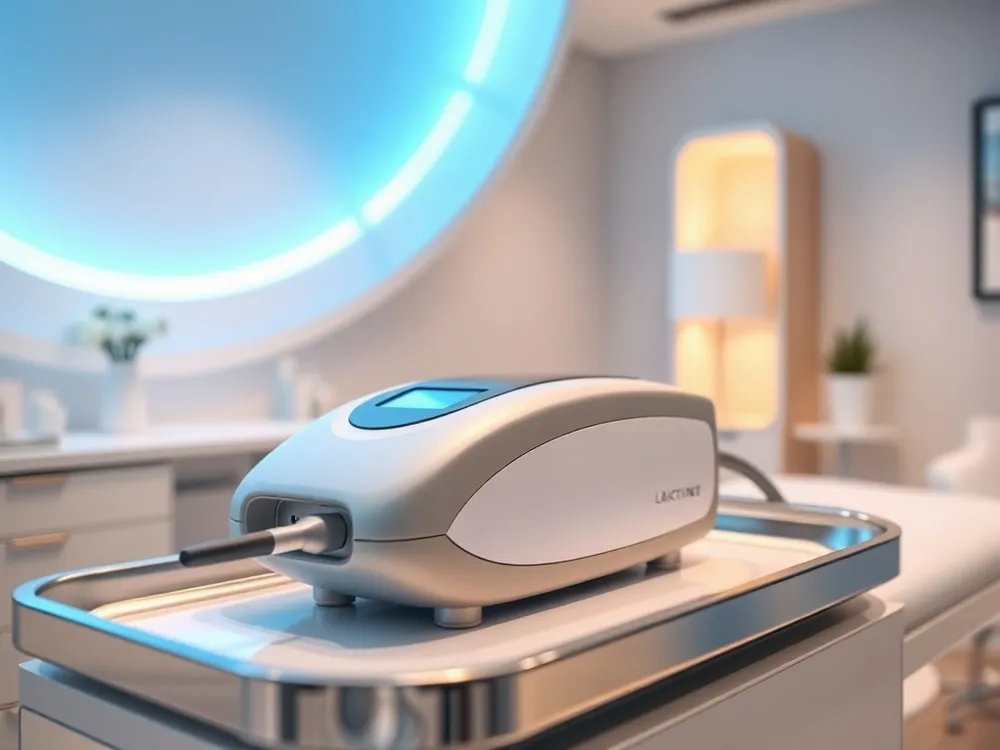
What is the HALO Hybrid Fractional Laser and how does it work?
The HALO laser is the only hybrid fractional laser available for aesthetic skin treatments. It combines two distinct wavelengths into a single, powerful procedure. You receive an ablative wavelength (2940 nm) that precisely resurfaces and removes the outer, damaged skin layer, and a non-ablative wavelength (1470 nm) that delivers thermal energy deep into the dermis to stimulate collagen remodeling. This dual-action technology means a single 30-minute session can address both superficial and deep skin concerns simultaneously.
The 2940 nm wavelength is absorbed by water in the skin, creating microscopic columns of controlled tissue removal similar to an erbium laser. This refines surface texture, minimizes fine lines, and reduces discoloration. Simultaneously, the 1470 nm wavelength heats the deeper dermal layers without damaging the epidermis, triggering the body’s natural healing response and promoting new collagen and elastin formation. This process, known as Dynamic Thermal Optimization, exploits the photothermal effect to produce long-lasting skin tightening, improvement in acne scars, and overall structural rejuvenation.
What skin concerns does the HALO laser treat effectively?
The HALO laser is a versatile tool, designed to treat a wide array of common skin concerns in one appointment. It is highly effective for:
- Fine lines and wrinkles
- Sun damage, sunspots, and UV-related pigmentation
- Uneven skin texture and enlarged pores
- Acne scars, including rolling, boxcar, and icepick scars
- Pigmented lesions like age spots and melasma
- Actinic keratosis (pre-cancerous scaly lesions)
- Overall skin laxity and loss of firmness
Because HALO treats the epidermis and dermis in one go, it provides comprehensive rejuvenation. This means a patient struggling with both sun damage and textural irregularities can see meaningful improvement in both areas without needing multiple, separate treatments with different devices.
What is the typical downtime and recovery process for HALO?
The HALO laser offers a middle ground between the dramatic results of fully ablative CO2 lasers and the minimal downtime of non-ablative treatments. Most patients experience moderate downtime, with redness and peeling typically lasting 5 to 7 days.
Immediately after the procedure, the skin feels warm and appears red, with possible small areas of pinpoint bleeding. This sunburn-like sensation and swelling typically resolve within 24 hours. After that, the skin begins to peel, which can continue for a week. It is crucial not to pick at the peeling skin to avoid hyperpigmentation or scarring. Patients can usually return to work and social activities within a week, using makeup to cover any residual redness after the first 48-72 hours. The full benefits of collagen remodeling become visible over the following 3-6 months as the skin continues to tighten and smooth.
Is the HALO laser safe for all skin types?
Yes, the HALO laser is considered safe for all skin types when appropriate settings are used. Its dual-wavelength technology provides a high degree of control. The system’s Dynamic Thermal Optimization allows the provider to precisely regulate the depth of energy delivered, reducing the risk of burns or excessive thermal damage in darker skin tones (Fitzpatrick skin types III through VI). This customizability is crucial for minimizing the risk of post-inflammatory hyperpigmentation, a common concern with many older ablative lasers.
However, patients with a history of autoimmune skin conditions, keloid scarring, psoriasis, vitiligo, or those who have used oral isotretinoin (Accutane) within the last six months should consult with a board-certified physician to see if a non-laser alternative is more suitable.
How does the HALO laser compare to other facial lasers?
| Feature | HALO Hybrid Fractional Laser | Traditional CO2 Fractional Laser | Non-Ablative Fractional Laser (e.g., Fraxel) | BBL (BroadBand Light) |
|---|---|---|---|---|
| Primary Mechanism | Ablative + Non-Ablative | Ablative | Non-Ablative | Light-based photofacial |
| Target Depth | Superficial + Deep Dermis | Deep Dermis | Mid-Dermis | Epidermis & Upper Dermis |
| Downtime | 5-7 days | 7-14 days | 1-3 days | Minimal (hours) |
| Best For | Moderate wrinkles, sun damage, texture, acne scars | Deep wrinkles, advanced scars, severe laxity | Fine lines, mild pigmentation, texture | Pigmentation, redness, vascular lesions |
| Number of Sessions | 1-3 | 1 | 3-5 | 3-6 |
| Skin Type Safety | All skin types | Lighter skin tones (I-III) cautiously | All skin types | Most skin tones cautiously |
| Comparative Results | Very high (approaches ablative) | Highest single-session result | Moderate | Mild to moderate |
| Key Technology | Two wavelengths simultaneously | Fractional micro-columns | Micro-thermal zones | Broad spectrum of light |
As the table shows, HALO occupies a unique position. It delivers results that rival traditional CO2 lasers but with a shorter, more predictable recovery. While non-ablative options like Fraxel offer minimal downtime, they require significantly more sessions. BBL is excellent for treating surface pigmentation and redness with no downtime but cannot address deeper wrinkles or scarring. For patients seeking a powerful, comprehensive result without several weeks of social downtime, the HALO hybrid fractional laser is a leading choice.
2. UltraClear® Cold Fiber Ablative Laser — The 2026 “Mini‑Facelift”
What makes the UltraClear laser a cutting‑edge “mini‑facelift” option for 2026?
UltraClear is the first FDA‑cleared cold fiber ablative laser, using a unique 2,910 nm wavelength to create microscopic channels that precisely excise aged tissue. Unlike traditional CO₂ or Er:YAG lasers, which generate substantial heat, UltraClear’s cold‑fiber technology delivers ablative energy while keeping the surrounding skin cool. This design dramatically reduces thermal damage, pain, and post‑procedure redness. The result is a dual action: immediate removal of damaged surface layers and simultaneous stimulation of deep collagen and elastin remodeling. Many clinicians and patients now describe the outcome as approaching a “mini‑facelift” without surgery.
How does the 3DMIRACL® technology provide three‑dimensional rejuvenation in one session?
The 3DMIRACL® system is the core of UltraClear’s versatility. It treats three distinct skin layers in a single pass:
- Surface layer – ablates the outermost damaged cells to refine texture and tone.
- Deep dermis – heats the collagen‑rich middle layer to trigger robust new collagen and elastin synthesis.
- Pigment – targets melanin clusters to fade sunspots, age spots, and uneven discoloration.
This three‑dimensional approach means a single session can address wrinkles, laxity, sun damage, and pigmentation simultaneously. The laser’s proprietary Laser‑Coring™ technology removes microscopic columns of aged tissue, inviting healthy new cells to fill the void while deep remodeling continues for months afterward.
What is the patient experience like in terms of pain, numbing, and recovery?
UltraClear is designed for comfort. Most patients require no numbing cream before treatment, and the average pain score is reported as 1.75 out of 10—far lower than traditional ablative lasers. The cold‑fiber delivery and rapid pulse intervals keep the skin surface cool, minimizing the “snapping” sensation common with other devices. Immediately after the procedure, treated skin may feel warm and appear sunburned with mild swelling. Visible improvement can be seen in as little as five days, as the micro‑channels heal and fresh collagen begins to form.
How long is downtime, and is it safe for darker skin tones?
Downtime is brief—typically 2 to 5 days. During this period, patients experience mild redness, some swelling, and light flaking, but most can resume work and social activities within a week. Because UltraClear bypasses epidermal melanin with its cold‑fiber design, it is FDA‑cleared for all skin types, including darker Fitzpatrick tones (IV‑VI). This makes it a safer, more inclusive alternative to older ablative lasers that carried a higher risk of burns or hyperpigmentation in pigmented skin.
What is the typical cost and treatment schedule?
A single UltraClear session costs approximately $600 +, depending on the treatment area (face, neck, chest). Many patients achieve visible tightening and texture improvement after one session, but a series of 2–3 treatments spaced 4–6 weeks apart may be recommended for optimal collagen remodeling and lasting results. Because recovery is so short, it is often called a “lunchtime procedure” suitable for busy professionals.
How does UltraClear compare to other advanced laser resurfacing technologies?
The table below summarizes key differences between UltraClear and other leading laser modalities available in 2025–2026.
| Device / Technology | Mechanism of Action | Typical Indications | Average Downtime | Skin‑Type Safety | Approx. Cost per Session |
|---|---|---|---|---|---|
| UltraClear (cold fiber ablative) | 2,910 nm wavelength; Laser‑Coring™ removes micro‑columns of tissue; cold fiber reduces heat damage | Wrinkles, laxity, sun damage, uneven texture, pigmentation | 2–5 days | All skin types (I‑VI) | $600 + |
| Halo (hybrid fractional) | Combines ablative (2940 nm) and non‑ablative (1470 nm) wavelengths in one pass | Fine lines, sun damage, enlarged pores, texture | 5–7 days | I‑IV (caution in very dark tones) | $800–$1,500 |
| Mosaic 3D (non‑ablative) | Non‑ablative; cold sapphire tip + algorithmic beam control for precise depth | Hyperpigmentation, acne scars, fine lines | 2–5 days | All skin types (I‑VI) | $600–$1,200 |
| Fraxel® Dual (non‑ablative fractional) | 1550 nm + 1927 nm wavelengths create micro‑thermal zones | Fine lines, mild pigmentation, early acne scars | 3–5 days | I‑VI | $800–$1,200 |
| Traditional CO₂ (fully ablative) | 10,600 nm wavelength; vaporizes thin skin layers | Deep wrinkles, severe sun damage, deep scars | 7–14 days | I‑III (higher pigment risk in IV‑VI) | $2,500–$5,000 |
| PicoSure (picosecond laser) | Ultra‑short (picosecond) pulses shatter pigment, stimulate collagen | Melasma, PIH, tattoo removal, acne scars | 24–48 hours (mild redness) | I‑VI (safe for darker tones) | $600–$900 |
| Morpheus8 (RF microneedling) | Fractional radiofrequency via micro‑needles penetrates deep dermis and subdermis | Skin laxity, acne scars, crepey texture | Minimal (erythema <24 h); results over months | All skin types (I‑VI) | $1,000–$2,000 per series |
Note: Cost ranges are U.S. average estimates and may vary by provider, geographic region, and number of sessions required.
Which patients are ideal candidates for UltraClear?
Good candidates include individuals who:
- Want noticeable improvement in skin firmness, texture, and pigment without surgery.
- Prefer minimal downtime but desire results that approach a surgical lift.
- Have skin types I through VI (including darker tones).
- Are looking for an alternative to traditional CO₂ lasers with less risk of burns or prolonged redness.
- Can commit to a brief 2‑ to 5‑day recovery period.
Contraindications include active skin infections, recent use of isotretinoin (wait 6 months), pregnancy or breastfeeding, and a history of keloid scarring.
How can UltraClear be integrated into a comprehensive treatment plan?
At a practice like Dr. MacDonald’s San Francisco Aesthetic Surgery Center, UltraClear serves as a powerful standalone option or as part of a layered rejuvenation protocol. For example:
- UltraClear + BBL photofacial: Address deep resurfacing and pigment correction in one combined approach.
- UltraClear + injectables (Botox/fillers): Simultaneously treat surface texture and deeper volume loss.
- UltraClear + Morpheus8: Synergistic collagen remodeling for patients with both laxity and textural concerns.
- Maintenance with non‑ablative lasers or medical‑grade skincare: Prolong results and protect new collagen.
Personalized consultation with a board‑certified surgeon ensures that the laser type, energy settings, and number of sessions are optimized for each patient’s unique anatomy, skin type, and aesthetic goals.
3. Fractional CO₂ Laser — The Gold Standard for Deep Resurfacing
 Fractional CO₂ lasers have long been considered the gold standard for addressing the most severe signs of aging and skin damage. Modern systems, such as the Lumenis UltraPulse and Fraxel re:pair, deliver ultra-short pulses of energy through micron-sized spots. This creates deep columns of thermal injury in the skin, known as microscopic treatment zones, while leaving the surrounding tissue untouched. This precise mechanism stimulates a powerful and robust collagen remodeling response deep within the dermis, making it the most effective non-surgical option for significant skin tightening and rejuvenation.
What specific skin concerns does a fractional CO₂ laser best treat?
This technology is specifically designed for patients with advanced concerns, including deep-set wrinkles, pronounced nasolabial folds, and significant sun damage. It is also one of the most effective treatments for improving the appearance of deep acne scars and surgical scars. Clinical trials report an average wrinkle improvement of about 40%, with over 70% of patients noticing a visible tightening and firming of the skin. For those seeking dramatic, long-lasting results, a fractional CO₂ laser remains the most powerful tool for rebuilding the skin’s underlying structure.
What is the typical recovery time and how long do results last?
One of the key advances in fractional CO₂ technology is a significantly reduced downtime compared to older, fully ablative lasers. While traditional CO₂ resurfacing required up to 2-3 weeks of healing, modern fractional systems like the UltraPulse typically involve a recovery period of 4 to 7 days. During this time, patients can expect redness, swelling, and peeling similar to a moderate sunburn. The new skin will appear after this peeling phase, and the results continue to improve over the following 3-6 months as new collagen builds. The durability of these results is excellent, with clinical outcomes frequently lasting for several years, making it a worthwhile investment for many.
Are there any considerations regarding skin tone for this laser?
Because CO₂ laser energy is readily absorbed by melanin, patients with lighter skin tones (Fitzpatrick skin types I–III) are considered the best candidates. Darker skin types (Fitzpatrick IV–VI) have a significantly higher risk of post-inflammatory hyperpigmentation or even hypopigmentation (lightening of the skin) after treatment. For this reason, aesthetic providers will often recommend safer alternatives for these skin tones, such as a fractional Er:YAG laser, a non-ablative fractional laser like Fraxel re:store, or advanced devices like Opus Plasma, which are designed to minimize pigment-related complications. A thorough consultation with a board-certified professional is essential to determine the safest and most effective option.
How does the cost compare to other resurfacing options?
Given its power and proven efficacy, fractional CO₂ laser resurfacing is on the higher end of the cost spectrum. A single session typically ranges from $2,500 to $5,000. This higher cost reflects the advanced technology, the significant clinical expertise required to operate the device safely, and the dramatic, long-lasting results it can provide. For many patients, a single session is sufficient to achieve their desired outcome, though a second session may be considered for the most severe cases a year apart.
| Laser Type | Best For | Typical Downtime | Results Longevity | Cost per Session | Skin Tone Suitability |
|---|---|---|---|---|---|
| Fractional CO₂ | Deep wrinkles, acne scars, advanced sun damage | 4–7 days | Several years | $2,500–$5,000 | Best for Fitzpatrick I–III |
| Hybrid Fractional (Halo) | Fine lines, sun damage, texture | 3–7 days | 12–18 months | $800–$1,500 | Broader range (expert consult needed) |
| Non-Ablative Fractional (Fraxel) | Early aging, mild scars, pigmentation | 1–3 days | Months to a few years | $800–$1,200 | Safe for all types (I–VI) |
| Er:YAG Fractional | Fine lines, mild scars, skin tone | 3–7 days | 1–3 years | $1,000–$2,500 | Safe for many, lower pigment risk |
4. Morpheus8 — Fractional Radiofrequency Microneedling for Tightening
Fractional Radiofrequency Microneedling Technology
Morpheus8 represents a significant advancement in non-surgical skin tightening by merging two distinct energy delivery systems. The device utilizes ultra-thin microneedles that physically penetrate the skin barrier, creating precise channels in the epidermis and dermis. As these conductive needles reach predetermined depths, fractional radiofrequency energy is released directly into the deeper tissue layers. This dual-action mechanism ensures that thermal energy is concentrated exactly where it is needed for collagen and elastin remodeling, while avoiding unnecessary heat exposure to the surface epidermis. The controlled delivery of electromagnetic waves converts into therapeutic heat at approximately forty to forty-five degrees Celsius, a temperature range proven to trigger neocollagenesis without causing unintended thermal damage to surrounding structures. By bypassing the superficial layers and targeting both the dermis and subdermal fat layers, the treatment initiates a structured wound-healing cascade that fortifies compromised connective tissue. The fractional pattern leaves healthy tissue between each thermal zone, which dramatically accelerates the natural repair process and reduces the overall inflammatory response compared to full-field energy delivery.
Clinical Applications and Target Concerns
The versatility of this fractional RF platform makes it suitable for addressing a wide spectrum of dermatological and aesthetic concerns. Primary applications include the correction of moderate to severe skin laxity in areas where traditional topical treatments fail to provide measurable improvement. The technology effectively remodels atrophic acne scars by stimulating fibroblast activity within the scar base, gradually elevating depressed tissue and improving surface texture. Patients presenting with crepey skin, particularly on the neck, décolletage, and upper chest, benefit from the enhanced structural support provided by newly synthesized elastin fibers. Additionally, the device addresses early signs of photoaging by normalizing disorganized collagen bundles caused by cumulative ultraviolet exposure. Facial contours, including the jawline, cheeks, and perioral region, respond well to the tissue contraction effects, while the platform also demonstrates clinical utility on body areas prone to stretch marks or localized texture irregularities. The ability to treat both facial and anatomical zones with a single device streamlines treatment protocols and reduces overall patient visit frequency.
Timeline and Expected Patient Outcomes
Post-procedural changes follow a physiological timeline that prioritizes sustainable tissue remodeling over immediate surface correction. Initial tightening effects may become apparent within two to three weeks as contracted collagen fibers begin to stabilize and reorganize. The most significant transformations typically emerge between three and six months, corresponding to the peak phase of new collagen synthesis and matrix organization. Patients generally report a progressive firmer and more lifted appearance in treated zones, with continuous refinements observable up to twelve months after the final session. The gradual nature of these results allows the skin to adapt without experiencing sudden tension or unnatural contouring. Clinical observations indicate that a treatment course of two to three sessions, spaced four to six weeks apart, consistently yields optimal structural improvement. Longevity of the corrected tissue architecture generally extends beyond eighteen to twenty-four months, provided that patients maintain consistent sun protection and appropriate skincare maintenance protocols. The cumulative effect of repeated sessions demonstrates a synergistic relationship between depth of penetration and overall dermal density improvement.
Recovery Period and Safety Precautions
The fractional nature of the microneedle array significantly reduces the overall thermal burden on the skin, which directly translates to a streamlined recovery pathway. Most patients experience only mild erythema and subtle swelling that typically resolves within twenty-four hours. Temporary pinpoint crusting at needle insertion sites usually sheds naturally within three to four days without requiring aggressive topical interventions. Striking a balance between treatment depth and patient safety remains a critical operational priority for practitioners. If the radiofrequency energy is delivered at excessive depths or with unnecessarily high intensity, there is a documented risk of adipocyte thermal damage. Uncontrolled RF application can potentially melt or disrupt subsurface facial fat pads, which may ultimately worsen the appearance of aging by creating volume loss or contour irregularities. Proper depth mapping, adherence to manufacturer guidelines for specific facial anatomy zones, and conservative energy titration are essential safeguards against these complications. Practitioners must carefully assess anatomical landmarks before initiating treatment sequences to preserve natural facial volume while achieving targeted tightening.
Integration with Laser Resurfacing Protocols
Advanced aesthetic practices frequently combine Morpheus8 with surface laser resurfacing technologies to address multi-layered aging patterns simultaneously. The radiofrequency microneedling platform excels at structural remodeling and deep tissue tightening, while ablative or fractional lasers effectively treat epidermal dyschromia, superficial scarring, and surface texture irregularities. Sequencing these procedures requires careful clinical planning to avoid compounding inflammatory responses or exceeding the skin’s natural healing capacity. Typically, dermatologists and plastic surgeons schedule laser resurfacing sessions first, allowing the epidermal barrier to regenerate before introducing fractional RF therapy. This staged approach ensures that collagen remodeling occurs sequentially, maximizing synergistic outcomes without compromising the integrity of the treated zones. Some modern protocols also pair RF microneedling with topical growth factor serums or platelet-rich plasma to further accelerate matrix regeneration and optimize long-term skin quality. The combination strategy allows clinicians to target distinct structural layers within a single comprehensive rejuvenation plan, reducing overall treatment time while enhancing measurable outcomes.
Treatment Parameters and Professional Oversight
Successful outcomes rely heavily on individualized parameter selection that accounts for anatomical variations, skin type, and specific tissue laxity. Practitioners adjust needle length, RF energy output, and pulse duration to match the target tissue density and desired tightening threshold. Customization is particularly important when treating areas with thinner skin, such as the upper eyelids, versus denser regions like the lower face or abdomen. Board-certified aesthetic surgeons and dermatologists possess the advanced anatomical training necessary to navigate these variables safely. They utilize real-time tactile feedback during needle insertion to verify depth placement and immediately modify settings if tissue response indicates excessive thermal accumulation. Comprehensive pre-treatment evaluations include reviewing medical history, assessing previous laser or injectable interventions, and establishing clear expectations regarding the gradual nature of tissue remodeling. This physician-directed approach ensures that every treatment aligns with evidence-based safety standards and personalized aesthetic objectives. Regular calibration of device components and adherence to sterilization protocols also maintain clinical efficacy across extended patient volumes.
Post-Procedure Care and Clinical Validation
Optimal healing protocols directly influence the longevity and quality of therapeutic results. Patients are typically instructed to apply gentle, fragrance-free emollients to support barrier restoration and prevent excessive transepidermal water loss. Strict sun avoidance and broad-spectrum sunscreen application remain mandatory for at least four weeks following active treatment cycles. Clinical validation studies consistently demonstrate that combination protocols incorporating structured post-care regimens produce superior collagen density metrics compared to treatment alone. The integration of topical antioxidants and peptide serums further supports extracellular matrix stabilization during the remodeling phase. Longitudinal patient tracking confirms that consistent maintenance sessions, spaced annually or biannually, preserve treatment gains and delay the natural degradation of newly formed collagen networks. This data-driven approach reinforces the classification of fractional RF microneedling as a sustainable, physician-governed aesthetic modality rather than a temporary cosmetic intervention.
Comparative Modality Overview
| Modality Primary Function | Target Tissue Layer | Expected Downtime | Typical Session Duration | Ideal Candidate Profile |
|---|---|---|---|---|
| Fractional RF Microneedling | Dermis and subdermis | Mild redness, under 24 hours | 45 to 60 minutes | Laxity, scar remodeling, volume conservation |
| Fractional CO2 Laser | Epidermis and upper dermis | 5 to 14 days visible recovery | 30 to 90 minutes | Severe photodamage, deep wrinkles, textural defects |
| BroadBand Light Therapy | Melanin and hemoglobin vessels | Minimal, few hours of pinkness | 20 to 40 minutes | Pigmentation correction, vascular fading, early aging |
| Non-Ablative Fractional Laser | Mid-dermal collagen matrix | 2 to 5 days mild peeling | 30 to 45 minutes | Early laxity, acne scarring, skin tone uniformity |
| Picosecond Laser Technology | Pigmented lesions and collagen | Under 48 hours minor erythema | 15 to 30 minutes | Stubborn hyperpigmentation, tattoo removal, surface smoothing |
5. Clear + Brilliant® — The Gentle “Lunchtime” Laser
What Is the Clear and Brilliant Laser?
Clear + Brilliant® is a gentle, non-ablative fractional laser that was FDA-approved in 2011. It works by creating millions of microscopic treatment zones (MTZs) in the upper layers of the skin. This controlled micro-damage triggers the body’s natural healing response, stimulating collagen production and sloughing off damaged cells. The result is a refreshed, more radiant complexion without the aggressive downtime of deeper resurfacing technologies.
Unlike fully ablative lasers that remove the entire outer skin layer, Clear + Brilliant treats only a fraction of the surface at a time. This leaves surrounding tissue intact, which promotes rapid healing. The treatment is designed to target the stratum corneum and superficial dermis, making it an ideal entry point for patients new to laser treatments or those seeking a low-commitment maintenance solution.
Which Version Is Right for You?
The system comes in two handpieces to address different concerns. The Clear + Brilliant is designed to improve fine lines, overall texture, and pore size. It works by gently resurfacing the skin to create a smoother, softer feel. The Clear + Brilliant Permea® handpiece, in contrast, focuses on pigmentation issues. Its wavelength is specifically absorbed by melanin, making it effective for fading brown spots, sun spots, and uneven tone. Both versions can be used sequentially in a single session to treat multiple concerns at once.
This dual-function approach allows clinicians to customize the treatment to your skin’s specific needs. If your primary complaint is dullness and early fine lines, the original handpiece may suffice. If sun damage or age spots are your main concerns, your provider may recommend the Permea handpiece, or a combination of both for comprehensive rejuvenation.
What Does the Treatment Feel Like?
Clear + Brilliant is often called a “lunchtime procedure” because of its speed and minimal downtime. A session typically lasts just 15–20 minutes. Before the laser pass, a topical numbing cream is applied to the treatment area for about 30 minutes to ensure comfort. During the procedure, patients may feel a mild warming sensation, similar to a light prickling or the snap of a rubber band. Most find it very tolerable.
After the treatment, the skin may feel warm and look slightly pink or flushed. This typically subsides within a few hours. Some patients experience a mild “sandpaper” texture for a day or two as the microscopic treatment zones begin to heal. Unlike ablative lasers, there is no peeling or flaking. You can return to work or your daily activities immediately, making it an excellent option for busy professionals.
Who Is the Ideal Candidate?
Clear + Brilliant is considered safe and effective for all Fitzpatrick skin types (I through VI). This inclusivity makes it a workhorse for practices serving a diverse patient population. It is best suited for individuals seeking improvement in early signs of aging, such as fine lines, mild sun damage, dullness, and uneven texture. It is also a popular choice for patients who want to maintain the results of more aggressive procedures like a facelift, deep laser resurfacing, or a radiofrequency microneedling device.
Because of its gentle nature, the laser is not intended for deep wrinkles, significant skin laxity, or deep acne scars. Those with more advanced concerns may require fractional CO₂, Halo, or a radiofrequency microneedling device. However, for patients who want a subtle, consistent improvement without taking time off work, Clear + Brilliant is a top-tier solution.
What Results Can You Expect?
Clinical results are cumulative. Most patients begin to notice a visible improvement in skin radiance, tone, and pore size after a series of 4–6 sessions, spaced about 3–4 weeks apart. Each session builds on the last, gradually enhancing collagen and cell turnover. For pigmentation concerns, the Permea handpiece often shows fading of brown spots after 2–3 sessions.
The final results are not as dramatic as those from a fully ablative CO₂ laser, but they offer a natural, healthy glow that many patients love. Patients often describe their skin as “softer,” “brighter,” and “more even.” Because the laser stimulates a gentle collagen response, improvements continue to mature over the weeks following the session.
Maintenance sessions every 4–6 months can help preserve the results and keep the skin looking fresh. For more aggressive pigmentation correction, Clear + Brilliant can be combined with a chemical peel or topical brightening agents for enhanced outcomes.
What Is the Downtime Like?
The hallmark of Clear + Brilliant is its minimal downtime. Immediately after treatment, the skin appears slightly flushed, similar to a mild sunburn. This redness typically fades within 1–2 hours. Some patients notice a temporary darkening of brown spots (a sign the laser targeted the pigment), which will flake off naturally within a few days.
You can apply makeup within a few hours after the procedure, though it’s best to use a mineral-based, non-irritating formula. Your provider will recommend a gentle post-care routine: a mild cleanser, a hydrating moisturizer, and a broad-spectrum sunscreen of SPF 30+. For the first 24 hours, avoid harsh exfoliants, retinoids, and prolonged sun exposure.
Overall, patients frequently schedule a session during a lunch break and return to work without coworkers noticing. This convenience is a major reason why the laser is marketed as a lunchtime procedure.
What Is the Cost?
The average cost for a single Clear + Brilliant session is around $500, though pricing can vary based on geographic location and the practice. Some providers offer package pricing when you buy a series of 4–6 sessions, which can reduce the per-treatment cost to around $350–$400. When planning your budget, factor in the number of sessions needed for optimal results and any maintenance visits.
Compared to fractional CO₂ lasers, which can cost $1,500–$4,000 per session, Clear + Brilliant is a more budget-friendly entry point for laser skin rejuvenation. It is a cost-effective option for patients who want consistent, natural improvement without the expense or downtime of heavier lasers.
How Does It Compare to Other Gentle Lasers?
At the San Francisco Aesthetic Surgery Center, we often pair Clear + Brilliant with other non-ablative options such as BBL (BroadBand Light) or Laser Genesis. BBL excels at targeting pigment and redness, while Clear + Brilliant specializes in textural refinement and overall glow. When combined, the two treatments can address a wider range of concerns in a single appointment. Laser Genesis, another gentle option, uses near-infrared light to stimulate collagen and reduce redness. Both Laser Genesis and Clear + Brilliant offer a low-downtime, low-commitment approach for maintenance.
Clear + Brilliant stands out for its ability to treat the upper layers with precision, making it particularly effective for fine lines and pore size reduction in a way that BBL or Laser Genesis may not. For patients who want a comprehensive yet gentle protocol, a combination of Clear + Brilliant and BBL is a popular choice.
Is Clear + Brilliant Right for You?
If you are looking for a fast, gentle, and effective way to improve your skin’s texture, tone, and radiance, Clear + Brilliant may be the ideal starting point. It is especially well-suited for patients in their 20s to 40s who want to maintain a youthful glow or address early signs of sun damage and aging. It also serves as an excellent maintenance tool after more aggressive resurfacing procedures.
During your consultation at our San Francisco center, a board-certified dermatologist or plastic surgeon will evaluate your skin type, concerns, and goals to determine if Clear + Brilliant is the right choice or if a combination approach would yield better results. With its proven track record, minimal downtime, and safe profile for all skin types, it remains a cornerstone of modern, preventive skin health.
| Feature | Clear + Brilliant |
|---|---|
| Type | Non-ablative fractional laser |
| Wavelength | 1927 nm (Permea) / 1440 nm (Original) |
| Target | Upper layers (texture, fine lines, pigment) |
| Downtime | Minimal (1–2 hours redness) |
| Sessions | 4–6, spaced 3–4 weeks apart |
| Cost | ~$500 per session |
| Skin Types | All Fitzpatrick types (I–VI) |
| Best For | Early aging, sun damage, maintenance |
By offering a gentle yet effective path to skin rejuvenation, Clear + Brilliant empowers patients to take control of their skin health without disrupting their daily lives. It is a testament to how far laser technology has come, delivering the clinical power of resurfacing in a package that fits into a lunch hour.
The San Francisco Aesthetic Surgery Center is committed to providing personalized, cutting-edge laser treatments that respect your time and enhance your natural beauty. To learn more about Clear + Brilliant or to schedule a virtual consultation, contact our office today.
This content is for informational purposes and should not replace professional medical advice. Always consult with a board-certified physician to determine the best treatment plan for your unique needs.
6. BBL (BroadBand Light) — The Pigment and Vascular Expert
Technological Foundation and Clinical Mechanisms
BroadBand Light (BBL) represents a sophisticated tier of light-based photorejuvenation, distinct from traditional laser technologies. While often grouped with lasers in clinical discussions, BBL utilizes high-intensity pulsed light (IPL) rather than monochromatic, coherent laser energy. This distinction allows the device to emit a broad spectrum of light wavelengths simultaneously, which is then filtered through specialized optical filters to target specific chromophores within the skin. The primary targets for BBL are melanin and oxyhemoglobin. Melanin, the pigment responsible for freckles, sun spots, and age spots, absorbs specific wavelengths that convert light energy into heat. Similarly, oxyhemoglobin in dilated blood vessels absorbs blue and green wavelengths. This process leverages selective photothermolysis, where the generated heat selectively damages the targeted cells or vascular structures without causing significant thermal injury to the surrounding healthy tissue. The body's natural immune response then identifies and clears these damaged pigmented cells and coagulated vessels, resulting in a more uniform complexion. Beyond pigment correction, the controlled thermal energy extends into the dermis, where it stimulates fibroblast activity. This triggers a cascade of neocollagenesis and elastin production, gradually improving skin elasticity, reducing pore appearance, and enhancing overall texture over the weeks following treatment.
BBL Treatment Variants: Forever Young, Forever Clear, and HEROic
Modern BBL platforms, such as the Sciton Joule series widely utilized in advanced aesthetic practices, offer versatile configurations tailored to distinct clinical objectives. The Forever Young BBL protocol is designed for comprehensive photorejuvenation and anti-aging maintenance. It employs a combination of blue, green, amber, and red light wavelengths to address multiple signs of photoaging in a single pass. This treatment is highly effective for reducing scattered brown spots, fading freckles, diminishing superficial redness, and smoothing fine textural irregularities. Patients often report a restoration of healthy radiance, making Forever Young BBL an ideal choice for those seeking to reverse early signs of cumulative sun damage without invasive procedures or needles. The treatment also contributes to a systemic anti-aging effect by stimulating collagen remodeling that persists beyond the immediate recovery window.
Forever Clear BBL is a specialized modality formulated for patients managing acne. This variant utilizes a precise three-phase light approach to address the multifactorial nature of acne pathogenesis. Blue light penetrates the pilosebaceous unit to eliminate Cutibacterium acnes bacteria by triggering the release of endoperoxides, which destroy the microbial cells. Yellow light functions as an anti-inflammatory agent, calming existing redness and reducing the severity of pustules. Simultaneously, near-infrared energy stimulates collagen synthesis and promotes tissue renewal in the deeper dermis, aiding in the remodeling of atrophic acne scars and improving overall skin resilience. This non-invasive approach is effective for active acne management and texture improvement, offering a viable alternative or adjunct to topical medications and systemic antibiotics.
BBL HEROic (High Energy Rapid Output) represents an evolution in pulse technology, optimized for both clinical efficacy and patient comfort. The HEROic system delivers higher energy outputs while maintaining rapid pulse repetition rates, which significantly reduces total treatment time. The optimized pulse shape minimizes the perception of heat during the procedure, allowing for comfortable sessions even on more sensitive areas like the neck and décolleté. This variant is particularly beneficial for patients requiring robust pigment or vascular clearance who have low pain tolerance or busy schedules, as it achieves thorough treatment coverage efficiently while maintaining a gentle clinical experience.
Patient Experience and Post-Treatment Protocol
BBL treatments are characterized by minimal downtime, allowing patients to resume daily activities almost immediately. During the procedure, the practitioner uses a handheld device with a cooling tip to protect the epidermis and enhance comfort. Patients typically feel a sensation akin to rubber band snaps or mild warmth. Post-treatment, the skin may exhibit erythema (redness) and warmth, resembling a mild sunburn. This inflammation usually subsides within a few hours to 24 hours for most patient profiles. A favorable clinical indicator during recovery is the darkening of treated pigmented lesions. The solar lentigines and freckles often darken to a deep brown or black hue, a process sometimes referred to as "frosting" or the "coffee ground" effect. This darkening signifies that the targeted melanin is rising to the surface for natural exfoliation. Within five to seven days, these spots flake off gently with cleansing, revealing lighter, clearer skin underneath. Residual vascular lesions may fade gradually over several sessions as the body reabsorbs the coagulated blood vessels.
Strict post-procedure care is essential to optimize outcomes and mitigate risks. Patients must apply a broad-spectrum sunscreen with SPF 30 or higher daily, as the treated skin is highly susceptible to UV damage during the healing phase. Tinted sunscreens containing iron oxides may be recommended for patients with darker skin tones to protect against visible light, which can exacerbate pigmentation concerns. Gentle cleansing with non-abrasive, hydrating products is advised. Patients should avoid picking or scrubbing at flaking skin to prevent post-inflammatory hyperpigmentation or scarring. Additionally, topical retinoids, alpha hydroxy acids, and other exfoliating agents should be paused for several days until the skin barrier fully recovers. For patients with a history of herpes simplex (cold sores), antiviral prophylaxis is routinely prescribed prior to BBL sessions, particularly when treating areas near the mouth, to prevent viral reactivation triggered by light energy.
Treatment Course Parameters and Cost Analysis
Optimal results from BBL therapy are achieved through a structured treatment course. While some patients notice improvements in radiance and texture after a single session, a series of three to five treatments is typically recommended for comprehensive pigment correction and vascular clearance. Sessions are spaced approximately three to four weeks apart, allowing the skin sufficient time to complete its cellular turnover and healing cycles. This interval supports consistent collagen synthesis and enables the practitioner to build cumulative effects safely. Many patients incorporate periodic maintenance sessions every six to twelve months to sustain the rejuvenated appearance and address new environmental skin damage over time.
The financial investment for BBL treatments varies based on treatment area size, the specific variant used, and the individualized protocol. Costs generally range from $300 to $600 per session. Treatment of smaller areas, such as the under-eyes, may fall toward the lower end of this spectrum, while full-face and neck treatments align with higher pricing. When evaluating cost, patients should consider the number of sessions required to achieve their goals, as cumulative pricing provides a more accurate comparison with other modalities. Compared to surgical interventions, BBL offers a cost-effective solution with significant aesthetic returns and minimal disruption to lifestyle. The longevity of results, supported by regular maintenance and sun protection, further enhances the value proposition of this investment in advanced skin health.
Safety Profiles and Inclusive Skin Care
Safety and inclusivity are paramount in modern photorejuvenation. Contemporary BBL systems incorporate advanced cooling mechanisms and real-time skin tone sensors to ensure safe energy delivery across a diverse patient population. These technologies help monitor temperature at the skin surface and adjust pulse parameters to prevent burns or adverse thermal injuries. Historically, energy-based devices carried a higher risk of pigmentary changes in darker skin tones due to higher epidermal melanin content. However, current algorithms and optical filters allow practitioners to safely treat Fitzpatrick skin types I through IV with high confidence. For patients with darker skin tones (Fitzpatrick V and VI), practitioners employ specific filters and conservative energy settings to minimize melanin competition and reduce the risk of post-inflammatory hyperpigmentation. Some practices also integrate AI-powered skin analysis tools to customize treatment parameters based on individual texture, pigmentation, and elasticity measurements, ensuring precise and safe dosing for every patient.
Contraindications include active skin infections, open wounds, recent tanning, and the use of photosensitizing medications. Patients who have taken oral isotretinoin must wait a specified period, typically six months, before undergoing BBL to ensure dermal integrity has returned. A thorough consultation with a board-certified provider is necessary to review medical history, assess skin type, and establish realistic expectations. This evaluation helps determine candidacy and formulate a personalized treatment plan that aligns with the patient's aesthetic goals and physiological responses.
| Treatment Variant | Primary Indications | Mechanism of Action | Ideal Patient Profile |
|---|---|---|---|
| Forever Young BBL | Sun spots, age spots, freckles, redness, rosacea, early photoaging, overall radiance. | Broad-spectrum light converts to heat, breaking down pigment, coagulating vessels, and stimulating collagen remodeling. | Patients seeking comprehensive rejuvenation, tone evening, and anti-aging benefits without downtime or needles. |
| Forever Clear BBL | Acne, inflammatory lesions, redness, acne scarring, texture irregularities. | Blue light eliminates acne-causing bacteria; yellow light calms inflammation; infrared light stimulates collagen and tissue renewal. | Individuals with active acne or acne scarring looking for a non-invasive treatment to clear breakouts and improve texture. |
| BBL HEROic | Pigmentation, vascular issues, sensitive skin, efficiency. | High Energy Rapid Output delivers optimized pulses for faster treatment times and reduced heat perception. | Patients desiring robust results with enhanced comfort, or those with busy schedules requiring efficient sessions. |
| Recovery Phase | Timeframe | Clinical Presentation | Care Instructions |
|---|---|---|---|
| Immediate Post-Treatment | Hours to 24 hours | Mild erythema, warmth, slight swelling. Skin feels like a mild sunburn. | Apply cool compresses, use gentle hydrating moisturizer, avoid makeup if irritation persists. |
| Pigment Darkening | 2 to 5 days | Treated spots darken significantly; vascular lesions may turn purple or red. | Continue sun protection; do not pick or scratch treated areas. |
| Exfoliation | 5 to 10 days | Treated pigmented spots flake or peel off naturally. | Use gentle cleansing; allow natural shedding; avoid exfoliants until resolved. |
| Final Results | 2 weeks to 3 months | Clearer skin tone, reduced redness, improved texture as collagen matures. | Resume retinoids gradually; maintain daily SPF; schedule follow-up as per protocol. |
BBL therapies are highly compatible with other aesthetic modalities. Practitioners often combine BBL with injectable neuromodulators and fillers for a synergistic facial rejuvenation plan. While BBL refines surface tone and texture, injectables address deep volume loss and dynamic wrinkles, resulting in a holistic improvement. Similarly, pairing BBL with fractional laser treatments or radiofrequency microneedling can maximize results by targeting both superficial pigment and deep structural laxity. This integrated approach allows for comprehensive management of the aging face, leveraging the strengths of each technology to deliver superior, balanced outcomes. The versatility, safety, and efficacy of BBL make it a cornerstone of advanced skin health protocols, empowering patients to achieve radiant, youthful skin with minimal interruption to their routine.
7. PicoSure® — Picosecond Laser for Pigment and Collagen
How do ultra-short pulses revolutionize pigment and collagen treatment? PicoSure® delivers laser energy in trillionths of a second (picoseconds). This ultra-fast delivery shatters melanin clusters and tattoo ink particles into tiny fragments that the body can clear naturally. At the same time, the quick pulse creates a mechanical photoacoustic effect that stimulates fibroblasts, leading to new collagen and elastin production. Unlike traditional lasers that rely on heat, PicoSure’s minimal thermal spread protects surrounding tissue, reducing risks of burns and pigmentation changes. This makes it a safe and powerful option for a wide range of skin concerns, from stubborn pigment to textural issues, with virtually no downtime.
What specific conditions does PicoSure® excel at treating? PicoSure is a top choice for several common skin concerns, including:
- Melasma and post-inflammatory hyperpigmentation (PIH): The laser breaks down excess pigment without generating excessive heat, which can worsen these conditions.
- Acne scars: The collagen-stimulating effect helps remodel and soften the appearance of both rolling and boxcar scars.
- Sun damage and age spots: Targeted energy clears sun-induced pigmentation, revealing a more even, youthful complexion.
- Tattoo removal: Multiple ink colors (including stubborn blues and greens) can be cleared over fewer sessions compared to older Q-switched lasers.
Is PicoSure® safe for darker skin tones? Yes. The picosecond pulse is “color-blind,” meaning it does not rely on high heat to break up pigment. This dramatically lowers the risk of post-inflammatory hyperpigmentation (PIH) or hypopigmentation, which are major concerns for patients with Fitzpatrick skin types IV–VI. PicoSure is often the preferred laser for treating melasma and PIH in patients of color, where other resurfacing lasers might cause complications. The ability to safely treat a diverse range of skin tones makes it an inclusive, cutting-edge option.
What is “Pico Sculpting” and how does it differ from standard PicoSure treatments? “Pico Sculpting” is a specialized technique that uses the PicoSure laser to target multiple skin depths in a single session. The ultra-short pulses can:
- Plunge into deep layers to tighten and stimulate collagen around the SMAS (facial support structure), giving a lifting effect without surgery.
- Sweep through middle layers to rejuvenate and firm the skin.
- Skim the surface to smooth texture and reduce fine lines. This multi-level approach provides a more comprehensive rejuvenation than standard pigment treatments. Results can begin within a week, and because the epidermis is not disrupted, downtime is limited to mild redness for only a day or two. Pico Sculpting has become popular in South Korea and the U.S. for patients seeking subtle, non-invasive tightening.
What is the cost and treatment schedule for PicoSure®? The cost per session typically ranges from $600 to $900, depending on the size and number of areas treated. For pigment concerns, 2–4 sessions spaced 4–6 weeks apart are usually recommended. For tattoo removal, 6–10 sessions may be needed, depending on ink color, density, and depth. Patients generally experience 24–48 hours of minor redness or swelling immediately after treatment, and can return to normal activities the same day. The treatment is well-tolerated, often described as feeling like a light snapping sensation, and most patients require only topical numbing cream.
| Feature | PicoSure® (Picosecond Laser) | Traditional Q-Switched Lasers | Ablative Fractional Lasers (e.g., CO₂) | PicoSure® with Pico Sculpting |
|---|---|---|---|---|
| Pulse Duration | Picoseconds (trillionths of a second) | Nanoseconds (billionths of a second) | Microseconds to milliseconds | Picoseconds (trillionths of a second) |
| Primary Mechanism | Photoacoustic – shatters pigment, stimulates collagen | Photothermal – heats and breaks pigment | Photothermal – vaporizes tissue, heats dermis | Photoacoustic & photothermal – multi-depth tightening |
| Best For | Melasma, PIH, sun spots, acne scars, tattoo removal | Age spots, sun damage, some tattoo colors | Deep wrinkles, severe sun damage, significant scars | Skin tightening, laxity, plus pigment correction |
| Downtime | 24–48 hours (minor redness) | 24–72 hours (mild redness) | 1–2 weeks (redness, peeling, swelling) | 24–48 hours (mild redness, slight swelling) |
| Safety for Darker Skin | Excellent – very low risk of pigment changes | Moderate – heat can cause PIH in darker tones | Caution needed – higher risk of PIH/hypopigmentation | Excellent – very low risk |
| Number of Sessions | 2–4 for pigment; 6–10 for tattoos | 3–5 for pigment; 8–12 for tattoos | 1–3 for deep resurfacing | 2–4 for combined tightening/pigment |
| Cost Per Session | $600–$900 | $400–$700 | $2,500–$5,000 | $1,000–$1,500 |
8. Moxi® — The Starter Laser for Early Prevention
What is the Moxi laser and why is it called the “starter” laser for skin health?
The Moxi laser is a non‑ablative fractional laser designed as the entry‑point into advanced skin care, often referred to as the “starter” laser. Its primary purpose is to treat early‑stage pigmentation irregularities, fine lines, and textural concerns before visible aging becomes pronounced. Unlike deeper ablative lasers that remove skin layers, Moxi works by creating microscopic treatment zones (MTZs) within the dermis while leaving the epidermal surface intact. This gentle approach stimulates collagen production and triggers the skin’s natural renewal process, making it an ideal option for younger patients, those with minimal signs of aging, or anyone seeking a proactive “pre‑juvenation” strategy.
The philosophy behind the Moxi laser aligns with a growing trend in aesthetic medicine: building a “collagen bank” in the early 30s to delay visible sagging and wrinkles by several years. By stimulating collagen remodeling before significant damage accumulates, patients can maintain a youthful complexion longer and require fewer aggressive interventions over time. Moxi is also an excellent choice for individuals new to laser procedures who want to experience the benefits of light‑based skin re‑juvenation without the intensity of fully ablative treatments.
How is the Moxi treatment performed and what can patients expect?
The Moxi procedure is straightforward and designed for patient comfort. Before the laser session, a topical numbing cream is applied for approximately 30 minutes to minimize any sensation during treatment. The actual laser delivery is remarkably fast, taking only 8 to 10 minutes per treatment area. Patients describe the feeling as a mild warmth or a light prickling sensation, which is well‑tolerated due to the effective numbing.
Results from a single Moxi session typically become visible within one month, coinciding with the skin’s natural cell‑turnover cycle. Improvements include a brighter, more even complexion, reduced pigmentation spots, and smoother texture. Because Moxi stimulates collagen gradually, the full benefits continue to develop over several months. To maintain these results, most patients return for regular maintenance sessions, usually scheduled every 3 to 4 months. While the upfront cost per session is higher than some gentler light‑based treatments, the long‑term duration of results and the preventive benefits often justify the investment.
The combination of the quick treatment time and minimal recovery makes Moxi particularly appealing for busy professionals who cannot afford extended downtime but still want to invest in their skin’s long‑term health.
What is the recovery time and downtime associated with Moxi?
One of the standout features of the Moxi laser is its minimal downtime. Immediately after treatment, patients may experience mild redness and a sensation of warmth, similar to a sunburn. This erythema generally resolves within a few hours and rarely lasts beyond two days. There is no peeling or significant swelling associated with Moxi, which distinguishes it from more aggressive resurfacing options.
Most individuals can return to work, social activities, and their normal skincare routine immediately after the procedure. Some minor flaking may occur as the skin renews itself, but this is usually subtle and can be covered with light makeup. The lack of prolonged recovery makes Moxi an ideal option for those who prefer subtle, progressive improvement without interrupting their lifestyle. This “no‑downtime” advantage positions it as the perfect maintenance tool for patients who already use other treatments like BBL, injectables, or retinoids.
Who is a good candidate for the Moxi laser?
Moxi is specifically designed to be safe for all Fitzpatrick skin types (I to VI), making it an inclusive option for patients with darker skin tones who may be at higher risk for hyperpigmentation from older laser technologies. Good candidates include individuals in their 20s and early 30s who want to prevent signs of aging, patients with early photodamage or mild sunspots, and anyone seeking a gentle introduction to fractional laser therapy. It is also an excellent choice for those with sensitive skin who cannot tolerate more aggressive resurfacing or who have experienced adverse reactions to chemical peels or microdermabrasion.
Because Moxi is non‑ablative, it does not remove the outer skin layer, which lowers the risk of infection, scarring, and pigmentary changes. However, patients with active skin infections, those currently using oral isotretinoin, or those with a history of keloid scarring should consult with a board‑certified provider before treatment.
What is the cost of Moxi and how does it fit into a comprehensive skin plan?
Moxi sessions typically cost between $400 and $600 each, depending on the treatment area and the provider’s fee schedule. While this upfront expense may be higher than some light‑based options, the ability to spread costs over a series of maintenance visits makes it budget‑friendly in the long run. Many aesthetic practices offer treatment packages that lower the per‑session cost for patients who commit to a series of three or four treatments.
When integrated into a broader skin‑health regimen, Moxi complements other minimally invasive procedures like BBL photofacials, neuromodulators (Botox, Dysport), and dermal fillers. For example, a patient might receive a Moxi treatment every quarter to build and maintain collagen, while using BBL to address recurrent pigment or vascular issues, and a retinoid at home to enhance cellular turnover. Combining these approaches creates a synergistic effect that yields superior outcomes compared to relying on any single modality.
How does Moxi compare to other fractional non‑ablative lasers?
The Moxi laser belongs to the same family of non‑ablative fractional lasers as the Fraxel Dual, Clear + Brilliant, and other micro‑thermal zone devices. However, Moxi distinguishes itself through its extremely short treatment time (8–10 minutes vs. 20–30 minutes for some competitors) and its focus on early prevention rather than correction of advanced aging. It produces a slightly more gentle thermal effect, making it ideal for patients who are new to lasers or who want a lighter touch. While Fraxel Dual is often used for more advanced textural and pigmentation concerns, Moxi is marketed specifically as a starter device that can later be combined with deeper modalities as the patient’s skin needs evolve.
Another key difference is that Moxi is designed to work on all skin tones without the risk of post‑inflammatory hyperpigmentation that can occur with older fractional CO2 lasers. This safety profile is crucial for a practice serving a diverse patient population, such as a San Francisco‑based aesthetic surgery center.
How does Moxi fit into the “pre‑juvenation” movement?
The concept of “pre‑juvenation” is gaining traction as more patients seek preventive skin care in their 20s and 30s rather than waiting for wrinkles, laxity, and sun damage to become noticeable. Moxi is an ideal tool for this philosophy because it builds a foundation of collagen without the downtime associated with fully ablative resurfacing. Starting Moxi treatments in the early‑to‑mid 30s can help delay the need for more intensive procedures like CO2 laser or surgical facelifts by several years. It also normalizes the idea of laser therapy as a routine skin‑health practice, similar to facials or microneedling.
For the aesthetic center, promoting Moxi as a “starter laser” attracts a younger demographic and builds long‑term patient loyalty. Patients who begin with Moxi are more likely to return for future treatments, additional complementary procedures, and eventually transition to deeper modalities as they age. This strategy creates a continuous relationship with the patient, supporting both early‑stage prevention and eventual correction.
What is the bottom line for patients considering Moxi?
The Moxi laser offers a unique combination of rapid treatment, minimal recovery, and safe collagen stimulation that makes it an excellent first step into laser skin care. It is particularly suited for proactive individuals who want to maintain a youthful appearance without the downtime or pigment risk associated with deeper resurfacing. While the results are subtle rather than dramatic, the cumulative effect of regular sessions can significantly delay the onset of visible aging, making Moxi a valuable addition to any skin‑health regimen. For a San Francisco practice, it positions the clinic as a forward‑thinking provider that offers the latest in safe, inclusive, and minimally invasive laser technology.
9. CoolPeel™ CO₂ — The Middle Path for Surface Resurfacing
For patients seeking a significant upgrade from over-the-counter and light-based treatments but not ready for the prolonged downtime of traditional ablative CO₂ lasers, the CoolPeel CO₂ laser offers an effective middle ground. This technology refines the power of CO₂ to deliver noticeable results with a recovery period that fits into a busy schedule, often being referred to simply as a “lunchtime” or weekend procedure.
What Makes CoolPeel CO₂ Different from Older CO₂ Lasers?
Traditional ablative CO₂ lasers use intense, continuous energy to vaporize the skin’s surface in a way that can cause significant thermal damage to surrounding tissue. This method, while powerful, typically requires 1-2 weeks of social downtime. CoolPeel, however, uses the SmartXide CO₂ system to deliver short, controlled bursts of CO₂ energy. This precise application removes damaged epidermal layers gently but effectively, dramatically reducing the heat buildup and subsequent recovery time.
What Skin Concerns Does CoolPeel Treat?
The CoolPeel is designed for a broad range of skin concerns related to photodamage and aging. It is highly effective for:
- Fine lines and wrinkles: It smooths the surface of the skin.
- Rough texture and dullness: By removing damaged outer layers, it reveals fresher, healthier skin.
- Sun damage and age spots: It targets pigmentation irregularities and sun-damaged cells.
- Enlarged pores: It helps to refine pore size by remodeling the surrounding collagen.
- Overall skin resurfacing needs: It provides a comprehensive improvement in skin clarity and tone.
Why is CoolPeel Called the “Middle Path” for Resurfacing?
This well-earned nickname places CoolPeel between gentle, non-ablative lasers and the dramatic, fully ablative CO₂ lasers. It delivers visible resurfacing and texture improvement that is far more noticeable than what you’d get from a non-ablative treatment, yet it is mild enough that many patients can return to their normal routine within a day or two. As one source describes it, it is “powerful enough to offer visible resurfacing, yet mild enough for many to tolerate without taking time off work.”
What is the Typical Recovery and Cost?
The recovery for CoolPeel is significantly shorter and more manageable than for a traditional CO₂ resurfacing. Patients typically experience only a few days of redness and peeling, which can often be managed over the weekend. Social downtime is usually around 1 week. The cost for a session averages around $1,000, though this can vary based on the treatment area and the provider’s expertise. For more significant corrections, a series of treatments may be recommended.
How Does CoolPeel Compare with Other CO₂ Options?
It’s helpful to see how CoolPeel stacks up against other popular CO₂-based treatments. The following table provides a quick comparison.
| Feature | CoolPeel CO₂ | Traditional Ablative CO₂ | Non-Ablative Laser (e.g., Fraxel re:store) |
|---|---|---|---|
| Mechanism | Short, controlled CO₂ bursts. Removes damaged skin layers gently. | Intense, vaporizing CO₂ energy. Removes full epidermal layers. | Heats dermis without removing skin. Stimulates collagen. |
| Primary Benefit | Visible resurfacing with minimal downtime. | Maximum wrinkle/scar reduction (~40-70%). | Subtle, gradual improvement with no social downtime. |
| Typical Downtime | 1-3 days of redness; some peeling. | 1-2 weeks of redness, swelling, and peeling. | 1-3 days of mild redness/pinkness. |
| Ideal For | Fine lines, sun damage, enlarged pores. | Deep wrinkles, severe photoaging, deep acne scars. | Early aging, texture, mild pigmentation, maintenance. |
| Session Count | Often 1-3 sessions. | Usually 1 session. | 3-5 sessions. |
Who is an Ideal Candidate for CoolPeel?
Ideal candidates are individuals who:
- Want a noticeable improvement in skin texture, tone, and fine lines.
- Are looking for rejuvenation without surgery.
- Can accept some downtime (a few days) but want to avoid a 1-2 week recovery.
- Have realistic expectations about the results. While visible, the outcome is less dramatic than a fully ablative procedure.
- Those with mild to moderate signs of aging are excellent candidates. As with all laser procedures, a consultation with a board-certified provider is essential to assess skin type and determine if CoolPeel is the right choice.
10. Er:YAG Laser — Precise Ablation with Less Thermal Damage
How do Er:YAG lasers achieve precise ablation with less thermal damage than CO₂ lasers?
Erbium:YAG (Er:YAG) lasers operate at a wavelength of 2940 nm, which has an absorption coefficient in water that is 16 times higher than that of CO₂ lasers (10,600 nm). Because water is the primary chromophore in skin, this intense absorption allows the Er:YAG laser to vaporize tissue with extreme precision and minimal thermal energy spreading to the surrounding area. The result is highly controlled ablation with a thermal damage zone roughly 10 times smaller than that of a CO₂ laser. This fundamental physical property makes the Er:YAG laser a powerful tool for clinicians seeking to remove damaged skin layers with high accuracy and less residual heat. For more on these modalities, see Er:YAG lasers for precise shallow resurfacing.
The reduced thermal footprint translates directly into clinical benefits. Patients experience significantly less post-procedure edema, crusting, and overall discomfort compared to CO₂ laser resurfacing. Healing is faster, and the risk of complications such as prolonged redness or pigmentary changes is notably lower. For aesthetic practices, this means a more comfortable experience for the patient and a more predictable recovery, making the Er:YAG laser an attractive option for those seeking effective resurfacing without the intensity of a fully ablative CO₂ treatment.
What specific skin concerns and areas are best treated with an Er:YAG laser?
Er:YAG lasers are particularly well-suited for treating fine lines, mild-to-moderate wrinkles, age spots, and areas of superficial sun damage. They excel on delicate regions such as the skin around the eyes (periorbital) and mouth (perioral), where precision is critical and the risk of overtreatment must be minimized. The laser's ability to remove thin, precise layers of tissue makes it ideal for refining texture and tone without the aggressive bulk heating associated with deeper ablative systems.
Because the Er:YAG laser creates less collateral thermal injury, it is also a preferred choice for patients who need improvement in skin surface irregularities but are not candidates for the more extended recovery of CO₂ laser resurfacing. Conditions such as actinic keratoses, superficial scarring, and uneven pigmentation respond well to Er:YAG treatment. The laser can be used on the face, neck, chest, and hands, making it a versatile tool for addressing photoaging and textural concerns across multiple body areas. Clinicians can explore Erbium laser resurfacing – precise ablative with faster healing for further insight.
Why is fractional Er:YAG especially useful for patients with darker skin tones?
Fractional Er:YAG lasers, such as the Alma Harmony Pixel 2940, offer a significant advantage for patients with darker skin tones (Fitzpatrick skin types IV–VI). Traditional ablative CO₂ lasers carry a well-documented risk of causing hypopigmentation (lightening of the skin) or post-inflammatory hyperpigmentation in darker complexions—a complication that can be distressing and difficult to treat. The Er:YAG’s shallow penetration and minimal thermal spread dramatically reduce this risk. Resources like Fractional Er:YAG lasers for darker skin tones and Laser resurfacing for darker skin tones highlight this safety profile.
The fractional delivery mode creates microscopic treatment zones (MTZs) that treat only a fraction of the skin surface at a time, leaving surrounding healthy tissue intact to promote rapid healing. This combination of precise ablation and fractional technology makes the Er:YAG laser a safer, more inclusive option for darker skin types, allowing practitioners to achieve noticeable resurfacing results—comparable wrinkle and scar improvement—with a much lower risk of unwanted pigment changes. For clinics serving a diverse patient population, this is a critical clinical advantage.
How does the downtime for Er:YAG compare to that for CO₂ lasers?
The typical downtime after an Er:YAG laser resurfacing procedure is approximately one week, which is about half the recovery time associated with traditional CO₂ laser resurfacing (which often requires two weeks or more). This shorter recovery is a direct consequence of the reduced thermal damage zone. Patients can expect the treated area to heal—with new skin appearing—in about 7 to 10 days, compared to the 2 to 3 weeks often needed after a full CO₂ treatment. For a broader perspective, see Recovery timeline for ablative laser resurfacing and CO₂ laser recovery timeline and after‑care.
This faster healing makes the Er:YAG laser a "quick-turnaround" ablative option for patients who want noticeable improvements in skin texture and tone but cannot afford the extended downtime of a more aggressive laser. Many patients can return to work and social activities within a week, though some residual redness may persist for a short time. The quicker recovery, combined with effective clinical outcomes, positions the Er:YAG laser as a compelling middle-ground choice between gentle non-ablative procedures and the more intense CO₂ resurfacing.
What is the typical cost range for an Er:YAG laser session?
The cost of a single Er:YAG laser resurfacing session generally ranges from $1,000 to $2,500, depending on the size of the area being treated, the specific device used, the geographic location of the practice, and the expertise of the provider. Smaller areas, such as the perioral region, will be at the lower end of this range, while full-face treatments or those involving multiple passes will be at the higher end. Compare this with CO₂ laser resurfacing: benefits and risks and cost considerations in Laser resurfacing cost vs surgical facelift.
It is important for patients to consider that while a single session can produce significant improvement—especially for milder concerns—a series of treatments may be recommended for optimal results. The investment in Er:YAG resurfacing should be weighed against the long-lasting nature of the outcomes, which can endure for several years with proper sun protection and skincare. A thorough consultation with a board-certified provider will yield a precise treatment plan and cost estimate tailored to individual goals.
| Feature | Er:YAG Laser (2940 nm) | CO₂ Laser (10,600 nm) |
|---|---|---|
| Wavelength | 2940 nm | 10,600 nm |
| Absorption in water | 16× higher than CO₂ | Lower absorption |
| Thermal damage zone | Minimal (~10× less than CO₂) | Larger (100–150 µm) |
| Typical downtime | ~1 week | ~2 weeks |
| Best for | Fine lines, mild wrinkles, age spots, delicate areas | Deep wrinkles, severe photoaging, deep scars |
| Skin tone safety | Safer for darker skin (lower hypopigmentation risk) | Higher risk for darker skin types |
| Recovery characteristics | Less edema, crusting, discomfort | Prolonged redness, swelling, peeling |
| Cost per session | $1,000 – $2,500 | $2,500 – $5,000 |
| Fractional options | Yes (e.g., Alma Harmony Pixel 2940) | Yes (e.g., Lumenis UltraPulse Deep FX) |
FAQs About Advanced Laser Treatments
What is the most effective anti-aging laser?
The answer depends heavily on your skin concerns and tolerance for downtime. For dramatic results on severe wrinkles, sun damage, and scars, fractional CO₂ laser resurfacing is often considered the gold standard. It deeply ablates the skin to trigger powerful collagen remodeling.
However, modern technology offers excellent alternatives with less recovery. The HALO hybrid fractional laser uniquely combines ablative and non-ablative wavelengths in one treatment, providing significant rejuvenation with a shorter healing period.
For milder concerns like uneven tone and pigmentation, non-ablative options such as IPL or BBL can be highly effective with virtually no downtime. The most effective laser is the one best matched to your skin type, concerns, and recovery preferences, making a professional consultation essential.
Which laser is best for skin tightening on the face?
While no single laser is universally best, several technologies excel for facial tightening. Morpheus8 combines microneedling with fractional radiofrequency to remodel collagen and improve skin laxity. It is highly effective, though precise application is crucial to avoid affecting deeper facial fat.
CO₂ fractional lasers are exceptional for resurfacing and improving skin texture and firmness, but their primary benefit is wrinkle and scar reduction rather than targeted tightening.
For non-invasive options, radiofrequency (RF) devices like XERF (an FDA-cleared system from 2024) heat deep skin layers to stimulate contraction and new collagen. While not a laser, it is a leading choice for those seeking skin tightening without incisions. A personalized consultation will help determine if a laser, RF device, or a combination is best for your goals.
What is the newest laser for skin tightening?
The newest device for non-surgical skin tightening is XERF, a monopolar radiofrequency (RF) system by Cynosure Lutronic. It is not a laser but an advanced energy-based technology. Debuting in South Korea in 2024, it received FDA clearance for use in the United States in August 2024.
XERF uses dual frequencies (6.78 MHz and 2 MHz) to simultaneously heat multiple skin layers for tightening and collagen remodeling. It requires no numbing, needles, or downtime, offering a comfortable treatment with visible results. This makes it a highly attractive, non-invasive option for patients seeking effective tightening with minimal recovery.
What is the Clear and Brilliant laser?
Clear and Brilliant is a gentle, non-ablative fractional laser FDA-approved in 2011. It creates millions of microscopic treatment zones in the upper skin layers to stimulate collagen production and replace damaged cells, improving overall skin health.
It comes in two versions: the original targets fine lines and texture, while Clear + Brilliant Permea focuses on pigmentation issues like brown spots and uneven tone. Treatments are quick (15–20 minutes), comfortable with topical numbing, and require minimal downtime, often called a "lunchtime" procedure.
Suitable for all skin types, it effectively improves texture, tone, radiance, and pore size. Noticeable results typically appear after a series of 4–6 sessions. This makes Clear and Brilliant an ideal option for early signs of aging and sun damage without the recovery needed from more aggressive lasers.
What are two drawbacks of laser therapy?
Two common drawbacks include the need for multiple treatment sessions and the potential for side effects. Many devices, especially non-ablative and fractional ones, require a series of procedures (often 3–5) spaced weeks apart to achieve optimal results, which requires a significant time commitment.
Additionally, potential side effects include temporary swelling, redness, and irritation. There is also a risk of more serious issues like hyperpigmentation or scarring, particularly if the treatment is not performed correctly by an experienced professional. Results can vary based on skin type and condition, requiring careful patient selection and strict adherence to sun exposure protections before and after treatment.
What are the latest laser skin rejuvenation technologies?
One of the most advanced platforms is the UltraClear laser, which features the innovative 3DMIRACL® cold fiber laser. This fractional cold ablative device creates microscopic channels to trigger natural exfoliation and stimulate collagen. It effectively treats age spots, wrinkles, and uneven texture, with remarkable results after a single 10-minute session.
Its MIRACL™ technology dramatically reduces pain, with patients reporting an average of 1.75 on a 0-10 scale, and often requires no topical numbing. The 3DMIRACL® is FDA-cleared for all skin types, including darker tones, with minimal downtime. For deeper concerns like acne scars or deep wrinkles, UltraClear offers customizable treatment depths that achieve more dramatic improvement with only 2-3 days of social downtime.
What is Kim Kardashian's favorite laser treatment?
Kim Kardashian has endorsed several skin-tightening treatments. Her most recent favorite is Sofwave, a non-invasive ultrasound device that stimulates collagen and lifts the skin. In 2025, she shared that Sofwave is “probably the best machine out there for lifting and collagen production” and has used it for Met Gala prep, noting it has no downtime.
She has also praised the XERF radiofrequency treatment and previously endorsed Coolaser and USRF for addressing stretch marks and body tightening. As of 2025, her current go-to is Sofwave.
How much do laser treatments for the face cost?
Laser treatment costs vary widely based on the type of laser, provider, and location. Here is a general cost overview:
| Laser Type | Average Cost Per Session | Typical Sessions Needed | Key Features |
|---|---|---|---|
| Clear + Brilliant | ~$500 | 4–6 | Gentle, non-ablative, minimal downtime. |
| Fraxel (non-ablative) | $1,000 – $1,500 | 3–5 | Moderate resurfacing, collagen stimulation. |
| CoolPeel (CO₂) | ~$1,000 | 1–3 | Gentle ablative, short recovery. |
| CO₂ Fractional (ablative) | ~$2,700 (face) | 1 | Deepest resurfacing, longest downtime. |
Always consult a qualified provider for a personalized quote tailored to your specific skin concerns and treatment area.
| Technology | Best For | Downtime | Key Mechanism |
|---|---|---|---|
| Fractional CO₂ | Severe wrinkles, scars, sun damage | 1-2 weeks | Deep ablation & collagen remodeling |
| HALO Hybrid | Fine lines, sun damage, texture | 5-7 days | Simultaneous ablative & non-ablative |
| Morpheus8 RF | Skin laxity, acne scars | 1-3 days | Microneedling + radiofrequency heat |
| Clear & Brilliant | Early aging, tone, texture | Minimal | Gentle non-ablative fractional resurfacing |
| BBL / IPL | Pigmentation, redness, tone | None | Broad spectrum light targeting melanin & hemoglobin |
| UltraClear 3DMIRACL | Age spots, wrinkles, texture | 1-3 days | Cold fiber ablative, minimal pain |
| XERF (RF) | Skin tightening | None | Monopolar radiofrequency deep heating |
| Sofwave (Ultrasound) | Lifting, collagen production | None | Non-invasive focused ultrasound |
Personalized Care for Lasting Results
The Aesthetic Surgery Center in San Francisco is committed to providing minimally invasive, personalized care using the most advanced laser technologies available. Our approach recognizes that no two patients are alike—each skin type, concern, and lifestyle demands a unique treatment strategy. By combining board‑certified expertise with a comprehensive suite of next‑generation lasers, we design protocols that deliver transformative results while respecting your time and comfort.
A Commitment to Personalized, Minimally Invasive Care
Achieving advanced skin health starts with a thorough understanding of your individual needs. During your initial consultation, our surgeons conduct a detailed skin analysis—evaluating texture, pigmentation, elasticity, and Fitzpatrick skin type—to identify the optimal laser or combination of modalities. This personalized assessment ensures that every treatment is precisely tailored, from the choice of wavelength to the energy settings and treatment depth.
Our philosophy integrates the latest innovations in laser technology with a patient‑first approach. Whether you are seeking a subtle refresh or a dramatic transformation, we prioritize treatments that deliver superior outcomes with minimal disruption to your daily life. This means offering options that range from gentle, no‑downtime procedures to more intensive resurfacing sessions, all performed in a safe, comfortable environment.
Designing Your Custom Treatment Plan
Your custom plan may involve a single, powerful device or a synergistic combination of therapies. Below is a comparison of some of the advanced laser systems available at our center, each chosen for its specific strengths and safety profile across diverse skin tones:
| Laser Platform | Type | Best For | Typical Downtime | Skin Tone Safety |
|---|---|---|---|---|
| HALO Hybrid Fractional | Hybrid ablative/non‑ablative | Wrinkles, sun damage, uneven texture, enlarged pores, acne scars | 5–7 days of peeling/redness | Safe for most types; caution with very dark skin |
| UltraClear Cold‑Fiber Ablative | Ablative with minimal heat | Deep wrinkles, laxity, severe sun damage, uneven texture | 2–5 days (mild redness/swelling) | Safe for all skin tones |
| Fraxel Dual (1550 nm + 1927 nm) | Non‑ablative fractional | Fine lines, pigmentation, mild scars, overall texture | 3–5 days (pinkness/peeling) | Safe for Fitzpatrick I–VI |
| BBL (BroadBand Light) | Non‑ablative light | Sun spots, redness, rosacea, vascular lesions | Minimal to none (mild pinkness) | Safe for most tones with careful settings |
| Moxi Non‑Ablative Fractional | Non‑ablative | Early pigmentation, fine lines, skin “starter” treatments | 1–2 days of mild redness | Safe for all skin types |
| SmartXide Tetra CO2 | Fully ablative fractional | Deep wrinkles, significant sun damage, acne scars | 7–14 days (redness/peeling) | Best for lighter skin; risk of hyperpigmentation in darker tones |
| Morpheus8 RF Microneedling | Fractional radiofrequency | Skin laxity, acne scars, crepey skin, texture | 1–3 days (minimal surface downtime; results build over weeks) | Safe for all skin tones |
| PicoSure Picosecond | Ultra‑short pulse pigment laser | Melasma, post‑inflammatory hyperpigmentation, tattoo removal, collagen stimulation | 24–48 hours (minor redness) | Excellent for darker skin types |
Your surgeon will discuss your primary concerns—whether they involve deep wrinkles, sun damage, acne scarring, or early laxity—and factor in your tolerance for downtime and budget. For example, a busy professional seeking noticeable improvement with moderate recovery may choose a hybrid laser like HALO or a cold‑fiber system like UltraClear. For more dramatic, long‑lasting resurfacing, a fractional CO2 laser may be recommended, often combined with a follow‑up BBL session to refine tone and vascular issues.
The Consultation Experience
Your journey begins with a one‑on‑one consultation where our board‑certified surgeons review your medical history, perform a high‑resolution skin analysis, and discuss your aesthetic goals. We use advanced imaging tools to visualize potential outcomes, ensuring you have a clear expectation of what each treatment can achieve. Together, we select the laser or combination approach that aligns with your unique needs—whether that involves a single session or a series of spaced treatments.
Post‑procedure care is equally personalized. Our team provides detailed instructions for optimal healing, including appropriate cleansers, moisturizers, and sun protection. We also offer adjunctive therapies such as LED light therapy or PRP to enhance collagen remodeling and accelerate recovery. Follow‑up appointments ensure your progress is on track and allow for adjustments to your long‑term maintenance plan.
Invitation to Begin Your Transformation
We invite you to schedule a consultation and discover which cutting‑edge laser treatment can transform your skin health and restore your youthful radiance. Our San Francisco practice combines decades of surgical expertise with the latest advancements in laser technology, all delivered in a warm, professional environment. Whether you are new to aesthetic procedures or seeking to upgrade your current regimen, our team is ready to guide you toward safe, effective, and lasting results.
Contact us today to arrange your personalized consultation. Let us help you achieve the vibrant, healthy skin you deserve—with the precision and care that only a board‑certified team can provide.