A Quick Overview of the Surge in Nose Surgery
Rhinoplasty popularity soars, with 40‑54‑year‑olds making up 26% of U.S. surgeries. Costs range $9‑20k; 3‑D imaging, ultrasonic osteotomies, and preservation techniques enhance natural, functional results, especially for patients seeking refinements.
Interesting Rhinoplasty Facts
- Rhinoplasty ranks among the top five cosmetic surgeries in the U.S., accounting for about 5‑6% of all procedures.
- In 2024, approximately 180,000 rhinoplasties were performed in the United States, a 3% increase from the previous year.
- Patients aged 40‑54 made up 26% of all rhinoplasty cases in 2023‑24, matching the 20‑34 age cohort.
- The average age of first‑time rhinoplasty patients rose to 38 years in 2025, up from 31 in 2024.
- Over 60% of rhinoplasty patients combine the procedure with complementary facial surgeries such as chin augmentation or brow lift.
- Revision rhinoplasty represents roughly 15% of all nose jobs, while primary procedures still dominate at about 85%.
- Ultrasonic piezo‑technology was used in 30% of rhinoplasty cases in 2025, reducing swelling and bruising.
- 85% of rhinoplasty consultations now employ 3‑D imaging and virtual simulation to set realistic expectations.
- Functional rhinoplasty improves nasal breathing in 82% of patients, and insurance covers the functional component in about 40% of cases.
- The median time to achieve the final aesthetic result after rhinoplasty is 12 months post‑operation.
1. COVID‑20‑54 Patients Make Up 26% of All Rhinoplasties
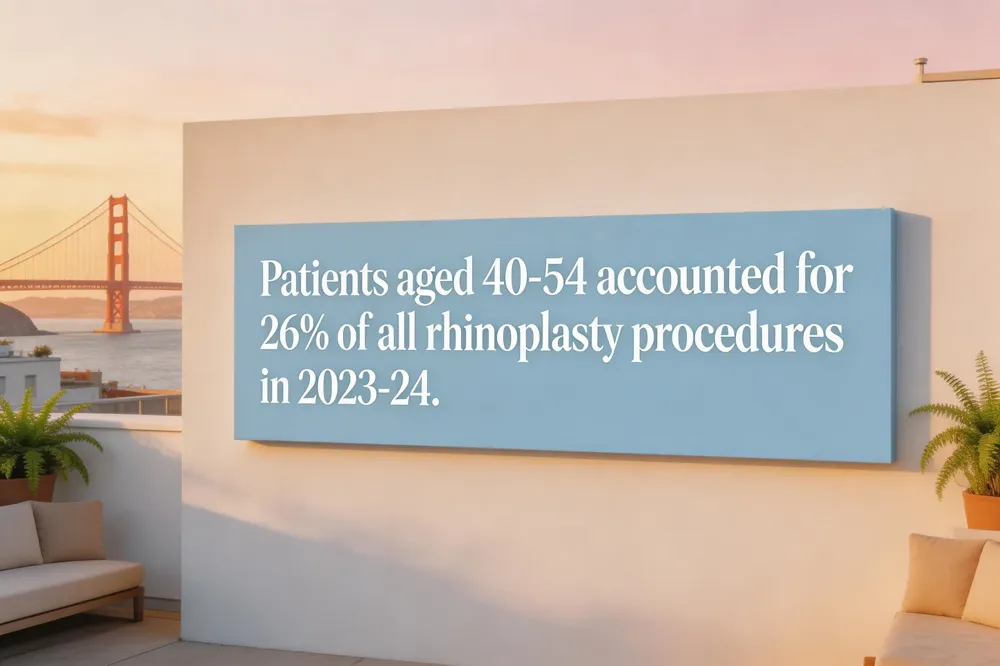 In 2023‑24, Patients aged 40‑54 accounted for 26% of rhinoplasty procedures in 2023‑2024, matching the 20‑34 cohort which also comprised about 26% of all cases across the United States.
2. Rhinoplasty Remains a Top‑Five Cosmetic Surgery per ASPS
 ASPS ranks rhinoplasty among the top five U.S. cosmetic surgeries, accounting for roughly 5‑6% of all procedures and over 210,000 annual cases nationwide in 2025.
180,000 Rhinoplasties Performed in 2024 – 3% Rise
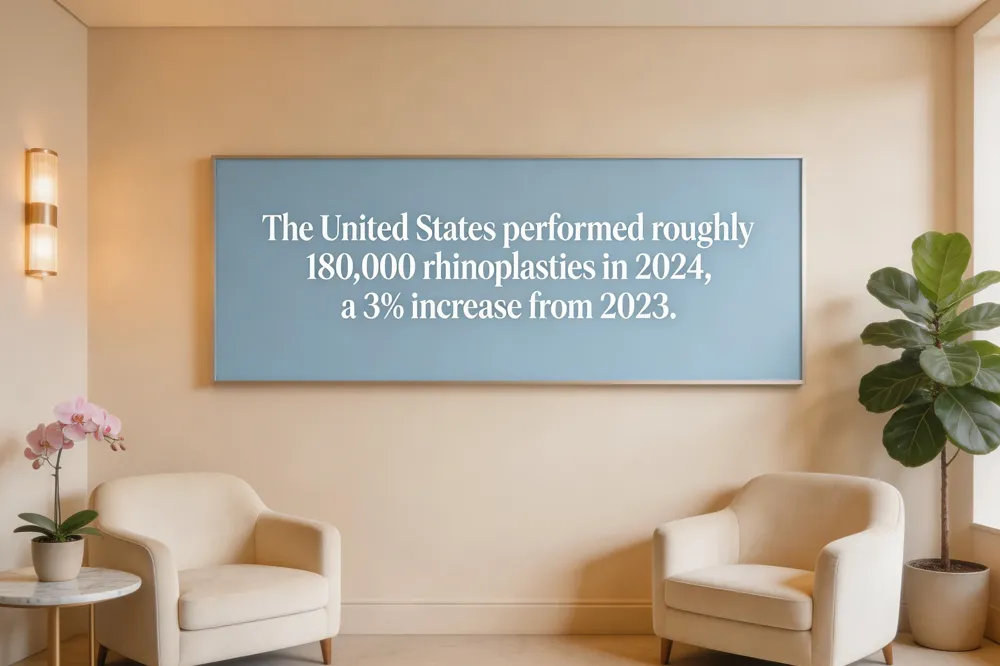 In 2024, the United States performed about 180,000 rhinoplasty procedures in 2024, marking a 3% increase from 2023—a steady rise in demand for facial aesthetic surgery overall.
4. Gender Split: 35% Male, 65% Female Patients
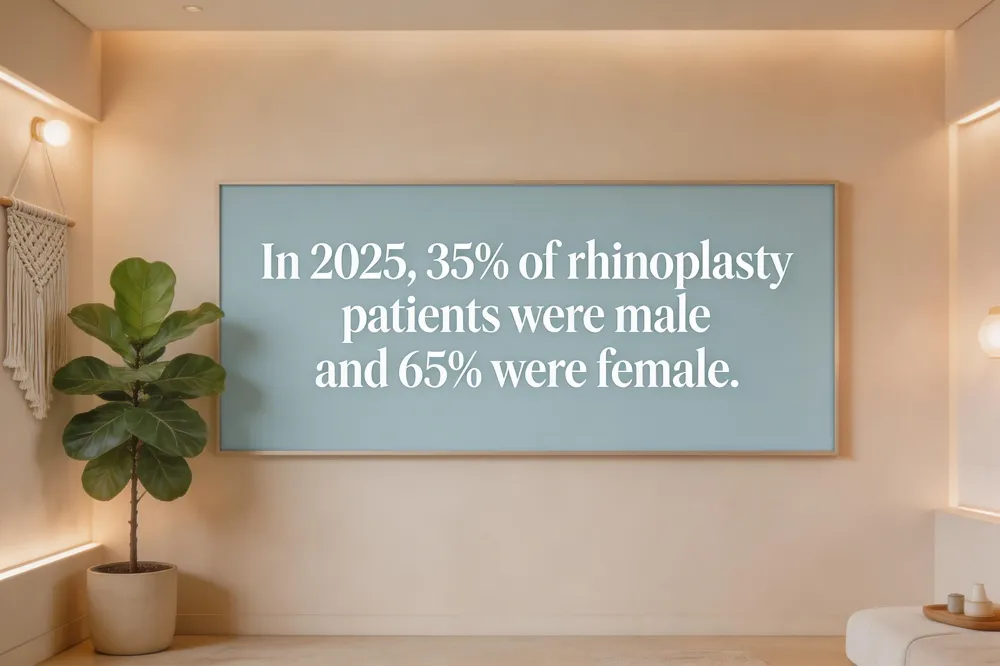 In 2025, <a href="https://www.allure.com/story/over-40-nose-job-trend-new-rhinoplasty-patient">Male patients represent 35% of rhinoplasty cases; females 65%</a> reflecting a continued female majority while male interest rises, especially among men over 50.
5. San Francisco Bay Area: 1,200 Rhinoplasties in 2024
 San Francisco Bay Area saw 1,200 rhinoplasties in 2024, representing 2.8% of U.S. cases and a 12% year‑over‑year growth, reflecting strong regional demand overall trend.
6. Average First‑Time Patient Age Rose to 38 in 2025
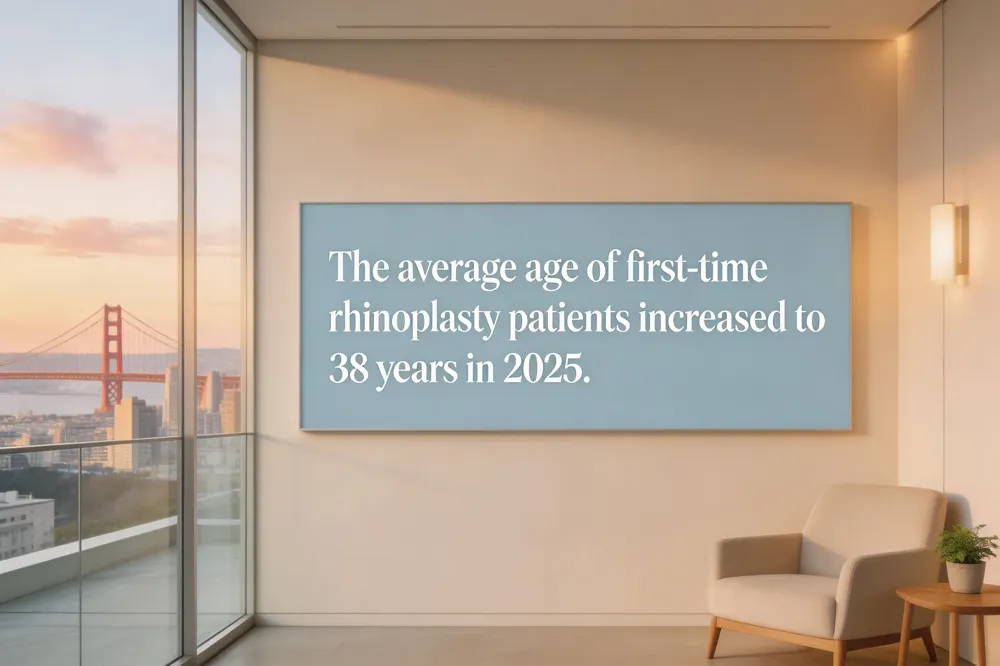 In 2025 the average age of first‑time rhinoplasty patients rose from 27 in 2010 to 38 in 2025 (up from 31 in 2024), reflecting maturing aesthetic priorities.
7. Over 60% Combine Rhinoplasty with Complementary Facial Procedures
 More than 60% of patients pair rhinoplasty with procedures like chin augmentation, brow lift, or eyelid surgery to achieve balanced facial harmony, boosting satisfaction scores by up to 20%.
8. Revision Rhinoplasty Represents 15% of All Nose Jobs in 2025
 In 2025, Revision rhinoplasty accounts for roughly 15 % of all nose jobs in 2025, compared with primary procedures that still dominate the market at about 85 % worldwide.
78% Seek Cosmetic Improvement; 22% Want Functional Breathing Fix
 Rhinoplasty’s main reasons: 78% seek cosmetic enhancement, while 22% need functional breathing correction; surgeons balance aesthetic goals with airway improvement for optimal outcomes in patients.
48% of California Patients Are Over 40 Years Old
 In California, 48% of rhinoplasty patients are over 40, reflecting a shift toward mature, function‑seeking demographics and increased demand for subtle, age‑appropriate enhancements procedures today.
11. Average Primary Rhinoplasty Cost in San Francisco $9,500
 San Francisco primary rhinoplasty averages $9,500, with a $7,500‑$13,200 range, higher than the U.S. average $7,000‑$12,000; elite surgeons may charge $14,000‑$30,000 for advanced techniques and procedures.
12. Insurance Covers Functional Rhinoplasty in About 40% of Cases
 Insurance typically covers functional rhinoplasty—such as septoplasty for breathing issues—in roughly 40 % of cases, while purely cosmetic nose jobs receive no coverage in the United States.
85% of Consultations Use 3‑D Imaging & Virtual Simulation
 In 2025, 85% of rhinoplasty consultations employ 3‑D imaging and virtual simulation, enhancing patient education, setting realistic expectations, and guiding surgical planning for optimal outcomes.
14. Facelift Combined with Rhinoplasty Boosts Satisfaction by 20% on FACE‑Q
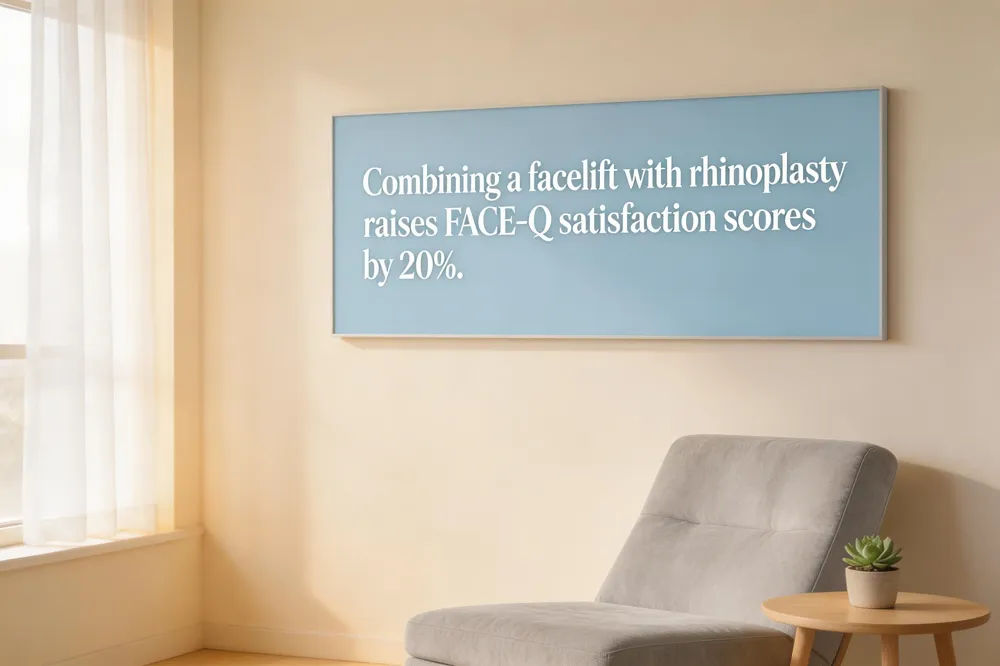 Combining a facelift with rhinoplasty yields a Patients combining rhinoplasty with facelift report 20% higher FACE‑Q satisfaction, reflecting higher overall patient satisfaction and harmonious facial results according to recent studies.
15. Median Downtime: 7‑10 Days Work, 4‑6 Weeks Full Social Return
 Patients typically resume non‑strenuous work after 7‑10 days, while full social activities, including exercise and public events, are comfortably resumed by 4‑6 weeks as swelling subsides.
16. Swelling Affects 90% of Patients, Resolves Within 3 Months
 Post‑operative swelling occurs in about 90% of rhinoplasty patients, typically peaking early and gradually subsiding, with most resolution by three months.
82% Report Nasal Obstruction Improvement After Functional Rhinoplasty
 Functional rhinoplasty delivers notable breathing gains; 82% of patients experience reduced nasal obstruction, confirming effective functional outcomes and enhanced airway comfort post‑surgery and long‑term overall.
18. Ultrasonic Piezo‑Technology Used in 30% of Cases in 2025
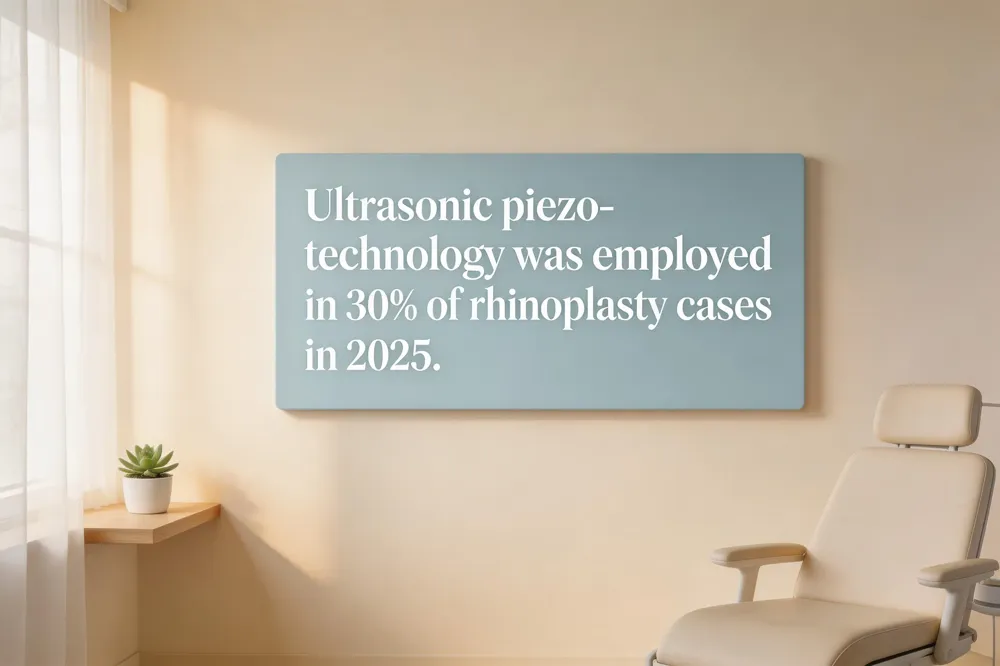 In 2025, ultrasonic piezo‑technology reshapes nasal bone with precision, reducing swelling and bruising, and now accounts for 30% of U.S. rhinoplasty cases nationwide.
19. Propofol‑Based Sedation Preferred for 60% of Outpatient Rhinoplasties
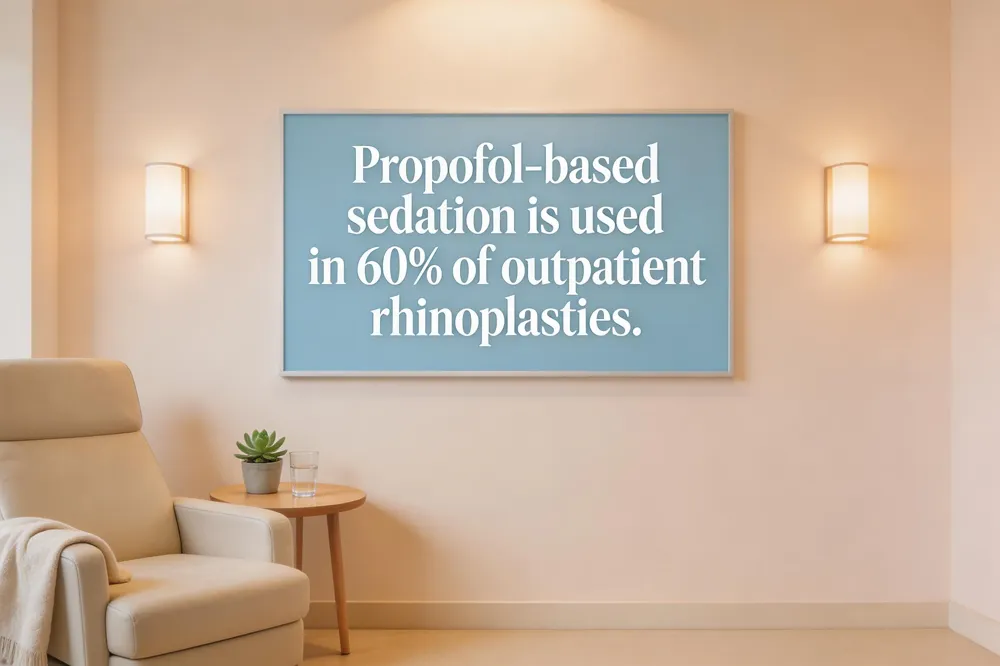 In 2025, 60% of outpatient rhinoplasties use propofol‑based sedation, reflecting a shift toward safer, faster recovery anesthesia compared to traditional general anesthesia in clinical practice.
20. Social Media Drives 25% Increase in Gen X Rhinoplasty Inquiries
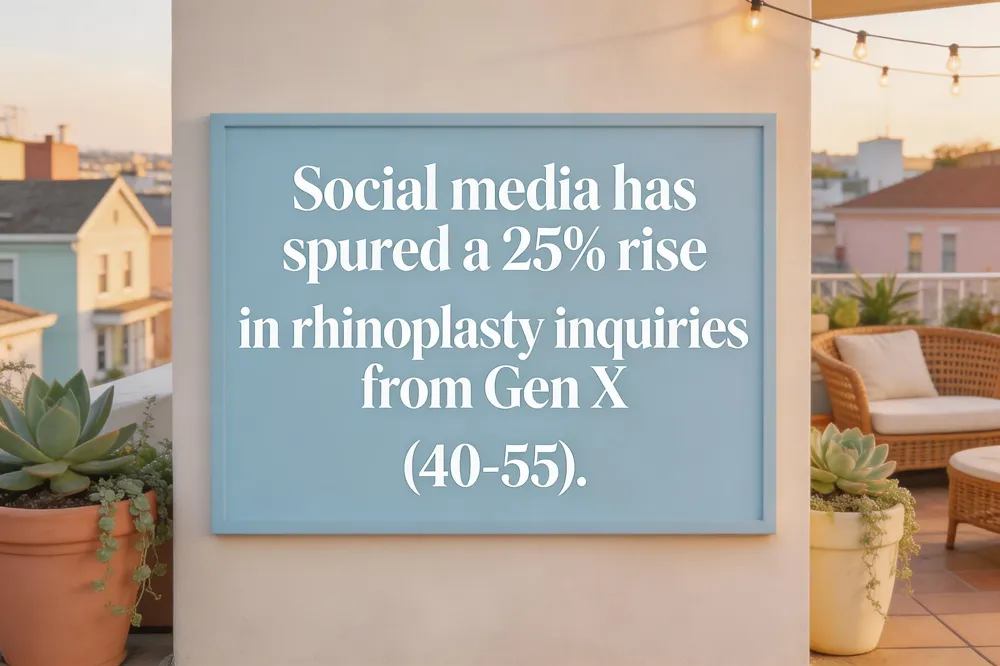 Instagram and TikTok have spurred a 25 % surge in rhinoplasty inquiries from Gen X (40‑55), as platforms drive visual trends and confidence in age‑appropriate refinements now.
70% of Patients Over 45 Prefer “Non‑Nose‑Job Nose Job” Subtle Refinement
 Seventy percent of patients over 45 now choose subtle, age‑appropriate refinements—dubbed “non‑nose‑job nose job”—over dramatic changes, mirroring the natural‑look trend and functional breathing care today.
22. Men Over 50 See 12% Annual Growth in Rhinoplasty Procedures
 Men over 50 are the fastest‑growing rhinoplasty segment, with procedures rising 12% each year, driven by heightened aesthetic interest, functional breathing needs, and improved confidence overall.
23. Dorsal Hump Re‑Emergence Cites 34% of Revision Issues
 Dorsar hump relapse leads revision cases, making up 34% of all rhinoplasty revisions. Surgeons correct it using osteotomies, grafts, and preservation methods for a bridge.
24. Cartilage Graft Usage Rose 18% in Adult Rhinoplasties
 In 2025, cartilage grafts appeared in 18% more adult rhinoplasties, boosting structural support, enhancing tip stability, and improving airway function while preserving natural aesthetics.
25. Average Patient Satisfaction Rating: 8.7/10 After Primary Rhinoplasty
 Patients report an 8.7/10 satisfaction score after primary rhinoplasty, reflecting high content. 3‑D imaging boosts scores to 8.9, while realistic expectations further improve patient outcomes.
26. UCLA AI Study Finds Women Appear Three Years Younger Post‑Rhinoplasty
 A UCLA AI study found women look three years younger after rhinoplasty, using facial‑recognition algorithms that measure subtle age‑related changes in skin texture and proportion.
9% of Rhinoplasty Patients Were Under 18 in 2025
Nine percent of 2025 rhinoplasty patients were under 18, a drop reflecting stricter pediatric guidelines, mandatory parental consent, and heightened safety protocols for young candidates.
28. Average Operative Time: 2.5 Hours (Primary), 3.2 Hours (Revision)
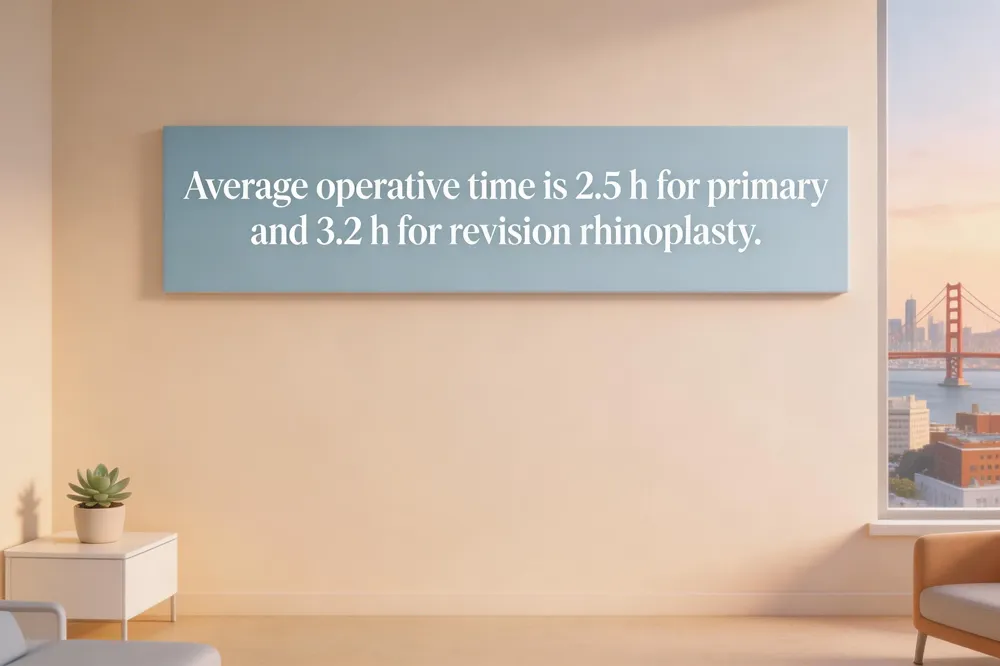 Primary rhinoplasty typically lasts 2.5 hours, while revisions average 3.2 hours due to scar tissue, grafting, and complexity, reflecting longer surgical duration and increased planning.
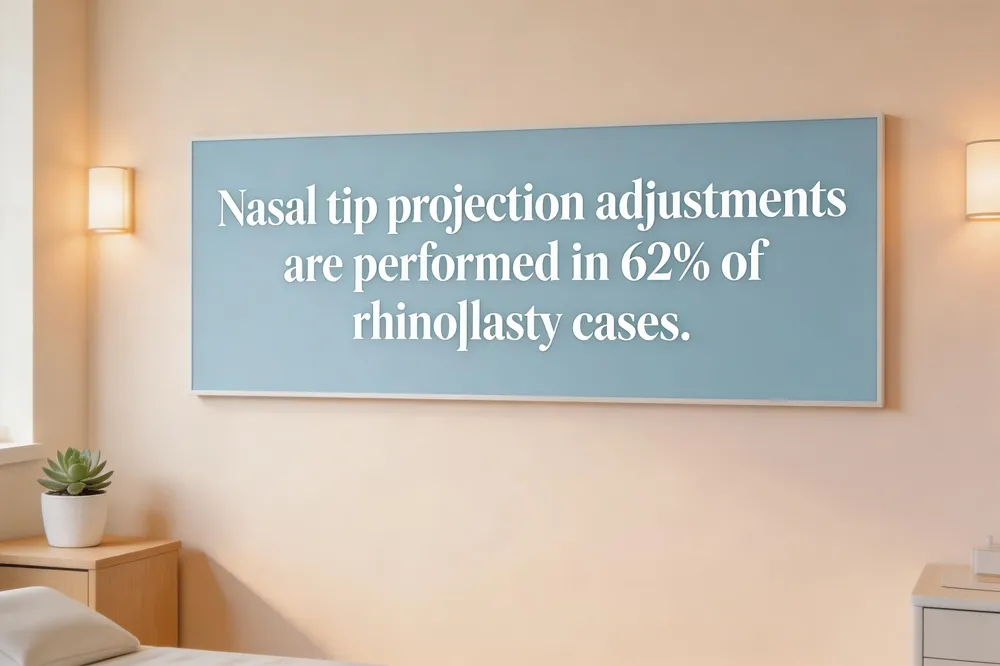
29. Nasal Tip Projection Adjustments Performed in 62% of Surgeries
30. Post‑operative Infection Rate Remains Low at 0.5%
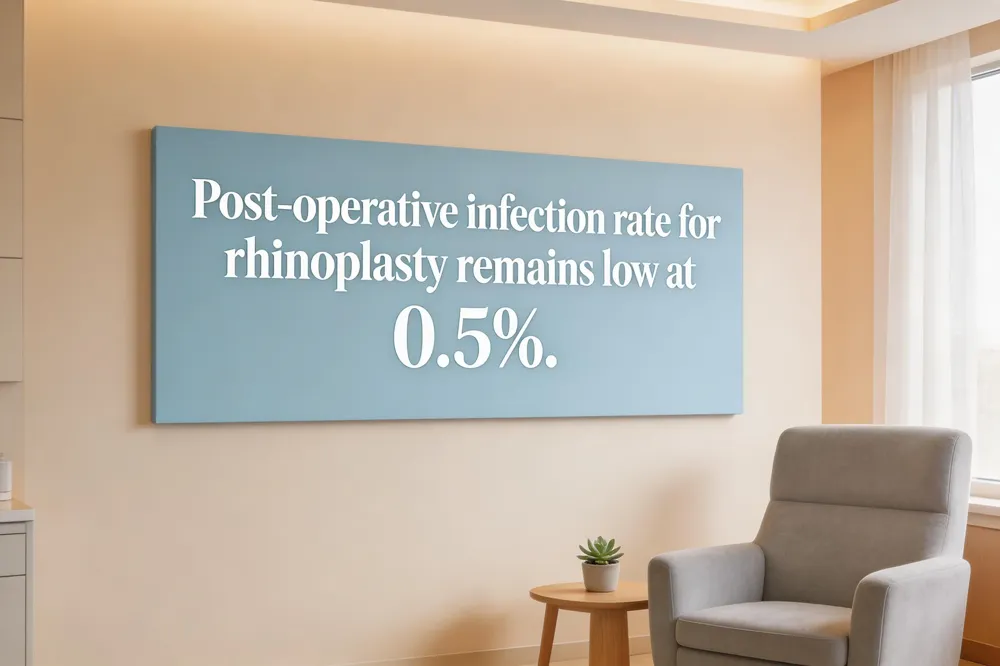 Rhinoplasty infection remains rare, with a 0.5% overall complication rate. Low infection rates reflect sterile techniques, accredited facilities, and postoperative compliance and efficient healing overall.
31. Smoking Cessation 4 Weeks Before Surgery Cuts Poor Healing Risk by 45%
 Surgeons require patients to quit smoking at least four weeks pre‑op; this reduces wound‑healing complications by 45% and improves overall recovery.
32. “Nose‑Job‑Plus‑Breathing‑Boost” Approach Used in 22% of Functional Cases
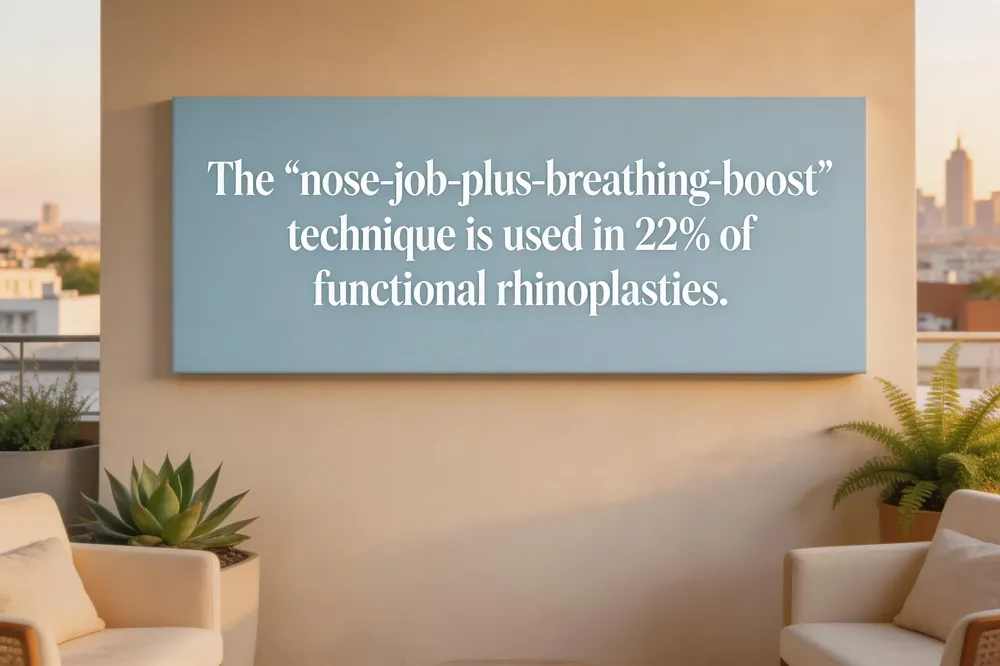 The “nose‑job‑plus‑breathing‑boost” technique blends cosmetic reshaping with septoplasty, and 22% of functional rhinoplasties now employ this combined aesthetic‑functional approach, improving nasal airflow while enhancing facial harmony, reflecting growing patient demand for dual‑benefit procedures.
33. Laser‑Assisted Scar Reduction Employed in 15% of Post‑Op Protocols
 Laser‑assisted scar reduction, used in 15% of post‑op protocols, minimizes incisions, speeds healing, and improves patient confidence after rhinoplasty and reduces pigmentation changes, promoting recovery.
34. Patients Attend an Average of Four Follow‑Up Visits in First Six Months
 Patients typically schedule four post‑operative visits within six months, allowing surgeons to monitor healing, address complications, and adjust after‑care for optimal outcomes.
40% Report a 15% Rise in Self‑Esteem Scores After Surgery
 Forty percent of rhinoplasty patients report a fifteen‑percent boost in self‑esteem, measured by FACE‑Q/ROE scores after surgery and reflecting heightened confidence and psychological well‑being.
36. Rhinoplasty Among Asian‑American Patients Grew 8% YoY in 2025
 In 2025, Asian‑American rhinoplasty cases rose 8% year‑over‑year, reflecting growing demand for culturally‑sensitive facial enhancements and increased market share across the United States and beyond.
37. SF Ethnicity Breakdown: 52% Caucasian, 23% Asian, 15% Hispanic
 In the San Francisco Bay Area, rhinoplasty patients are 52% Caucasian, 23% Asian, and 15% Hispanic, reflecting regional diversity and demand for tailored nasal aesthetics.
38. Combined Rhinoplasty‑Septoplasty Average Cost: $12,800
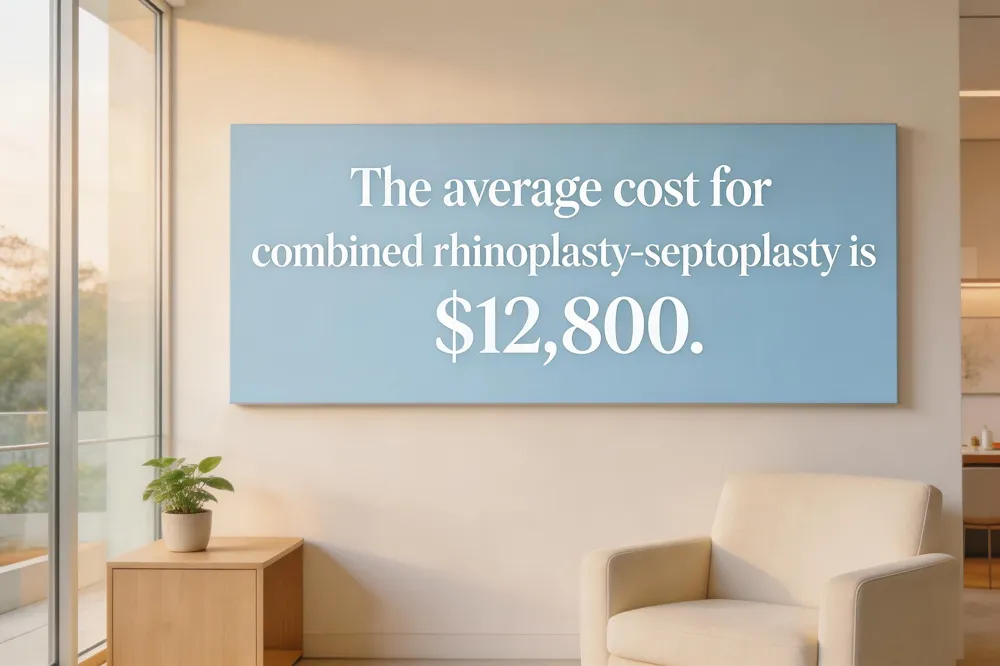 The average national cost for a combined rhinoplasty‑septoplasty is $12,800, ranging $10,000–$15,000 depending on surgeon expertise, technique, and geographic market, including facility fees and pre‑operative imaging.
70% of Surgeons Recommend a Nasal Brace for 48‑72 Hours Post‑Op
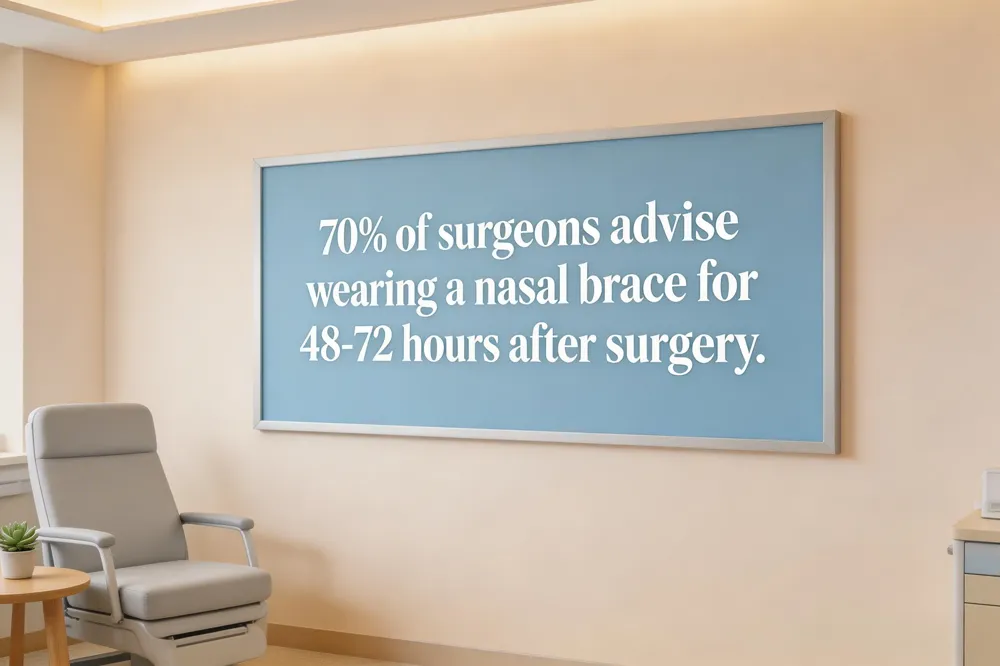 After rhinoplasty, surgeons advise a nasal brace for 48‑72 hours to stabilize shape, reduce swelling, and support healing; follow proper cleaning, ice, and activity restriction.
40. Bruising Requiring Medication Occurs in Only 3% of Cases
 Post‑operative bruising appears in most patients, yet only three percent require medication; ultrasonic osteotomies and minimally invasive techniques keep swelling mild for patients and self‑limited.
41. Telemedicine Pre‑Op Evaluations Up 40% Since 2020
 Telemedicine pre‑op evaluations have risen 40% since 2020, driven by virtual consultations that enhance patient convenience, reduce travel, and streamline surgical planning while improving communication.
42. Average Patient BMI 24.5; BMI > 30 Increases Complication Rate by 5%
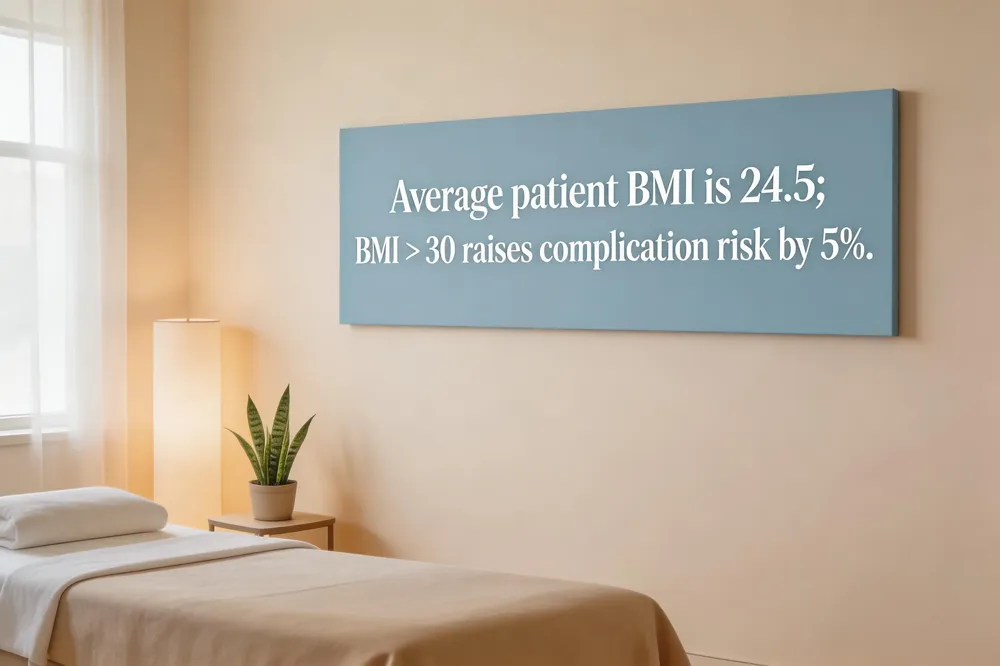 The typical rhinoplasty patient has a BMI of 24.5. When BMI exceeds 30, complication risk rises about five percent, underscoring importance of weight management pre‑surgery.
5% of Rhinoplasty Patients in 2025 Seek Gender‑Affirming Surgery
About 5% of 2025 rhinoplasty patients pursued gender‑affirming surgery, primarily transgender individuals seeking facial harmony; procedures include tip refinement, dorsal augmentation, and structural grafting techniques.
58% of Revision Surgeries Driven by Aesthetic Dissatisfaction
 Most revisions stem from aesthetic dissatisfaction—58% of cases—often due to persistent dorsal humps or tip irregularities that fall short of patients’ post‑operative refined expectations overall.
45. Acellular Dermal Matrix Grafts for Tip Augmentation Used in 12% of Cases
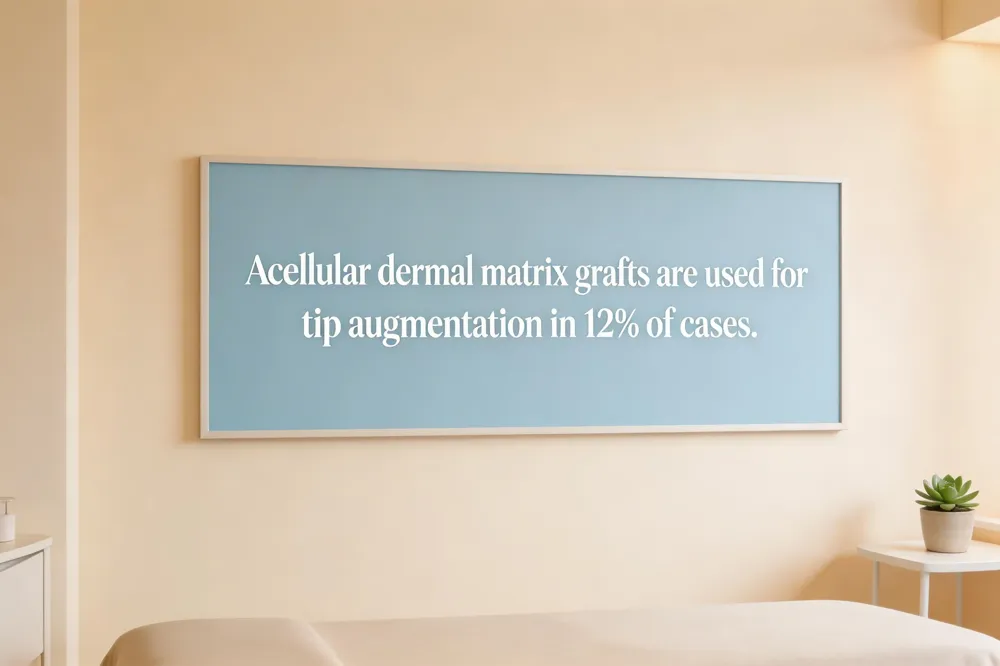 Acellular dermal matrix grafts now comprise 12% of tip augmentation procedures, reflecting a shift toward supports alongside rising cartilage graft use for nasal tip shaping.
46. Median Time to Final Aesthetic Result: 12 Months Post‑Op
 Most patients see final shape stabilize by twelve months; swelling typically subsides within three to four months, though edema may linger up to six months.
47. ASPS Reports 96% Overall Patient Satisfaction Across All Age Groups
 ASPS reports 96% of rhinoplasty patients are satisfied, with comparable rates among teens, 20‑34, 35‑54, and over‑55 age groups, confirming age‑group consistency nationwide across demographics.
What is an interesting fact about rhinoplasty?
 Rhinoplasty’s roots stretch back over 2,000 years: the ancient Indian text Sushruta Samhita describes nasal reconstruction using forehead skin flaps, and Egyptian papyri detail similar punitive‑nose‑restoration methods. Modern surgeons have built on that legacy with sophisticated, patient‑specific techniques—autologous cartilage grafts from ear, rib, or septum, 3‑D imaging for virtual simulation, and ultrasonic piezo‑electric bone cutting that reduces swelling and bruising. A typical primary rhinoplasty now lasts 1–2 hours, often performed under propofol‑based sedation, and most patients wear a small nasal splint for only 7–10 days. These advances keep rhinoplasty among the most common cosmetic surgeries in the United States, with hundreds of thousands of procedures performed annually.
Plastic surgery trends over the years
 U.S. plastic surgery has moved from the large, invasive procedures that dominated the 1990s to today’s focus on minimally invasive, highly personalized care. Over the past decade, non‑surgical facial rejuvenation—Botox, dermal fillers, laser resurfacing—has become the fastest‑growing segment, accounting for more than half of all aesthetic procedures reported by the American Society of Plastic Surgeons. Simultaneously, body‑contouring after weight loss, especially liposuction and the Brazilian Butt Lift, has surged as patients seek targeted sculpting with streamlined recovery. Advances such as 3‑D imaging, ultrasonic bone‑cutting tools, and preservation rhinoplasty have reduced operative time and swelling, while telemedicine and digital simulations improve patient education. These trends reflect a broader industry movement toward high‑precision, low‑risk interventions that align with the individualized, aesthetic‑focused philosophy of modern practices.
Plastic surgery statistics (2025)
 In 2025 the United States saw roughly 1.4 million surgical rhinoplasties, keeping the procedure among the top three facial surgeries alongside facelifts and blepharoplasties. Overall cosmetic surgery volume rose 3 % year‑over‑year, with about 210 000–225 000 rhinoplasties performed nationwide, a 3 % increase from 2024. Non‑surgical rhinoplasty with hyaluronic‑acid fillers continued its rapid growth, adding another 12 %‑28 % annual increase. Compared with other facial procedures, rhinoplasty accounts for roughly 15 % of all cosmetic surgeries and 5 % of total aesthetic operations. The trend toward natural, subtle results and combined facial rejuvenation—often with chin or eyelid surgery—has driven higher patient satisfaction and sustained demand across age groups.
Plastic surgery death statistics 2025
 In 2025 the mortality rate for elective plastic surgery in the United States remains exceedingly low—about 0.001 % (one death per 100,000 procedures). Most fatalities are linked to anesthesia complications, severe infections, or thromboembolic events, particularly in patients with high‑risk factors such as obesity, smoking, or multiple simultaneous procedures. Data from the American Society of Plastic Surgeons and FDA safety reports confirm that board‑certified surgeons operating in accredited facilities keep overall death rates well below 0.01 % for facial and body aesthetic surgeries. By contrast, CDC analyses of U.S. citizens undergoing cosmetic surgery abroad show a higher mortality burden, underscoring the importance of thorough pre‑operative evaluation, limiting concurrent procedures, and choosing qualified surgeons in vetted centers.
Most plastic surgery state per capita
Washington, D.C. consistently ranks the highest in the nation for cosmetic procedures per 100,000 residents, driven by a dense concentration of specialty clinics and an affluent patient base. California follows closely, with several metropolitan areas—especially Los Angeles, San Francisco, and San Jose—posting top‑tier per‑capita rates due to strong cultural acceptance of aesthetic medicine. Florida holds the third spot, buoyed by a large retiree population and a thriving market for both surgical and minimally invasive treatments. At the city level, Miami, FL, leads with the highest plastic‑surgeon density at 3.90 surgeons per 100,000 residents, underscoring its role as a regional hub for cosmetic care. These patterns reflect how wealth, demographic preferences, and the presence of high‑volume clinics shape per‑capita procedure rates across the United States.
How much is a nose job?
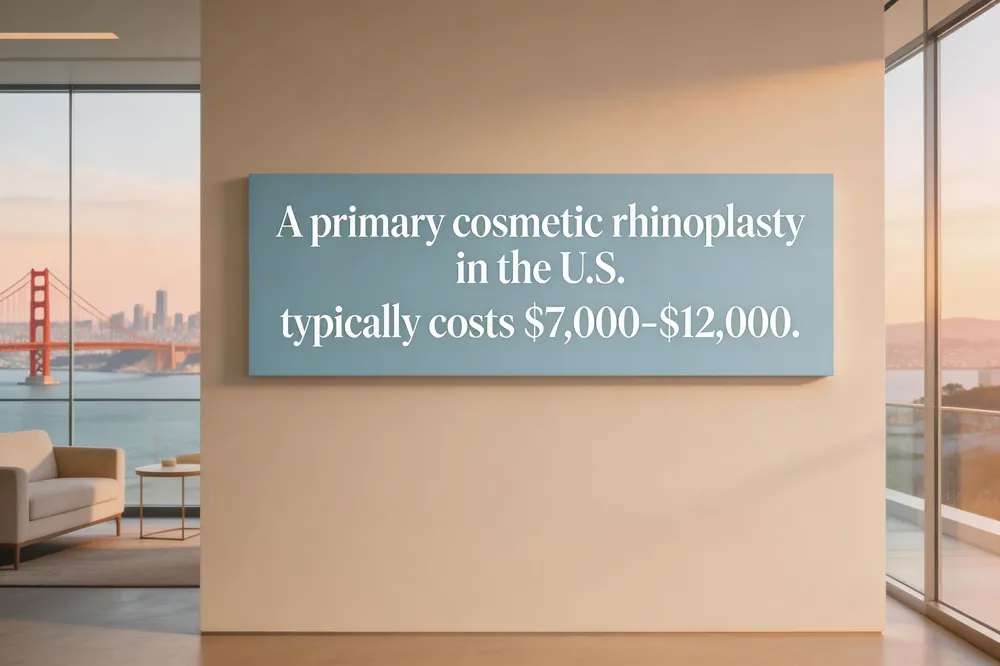 The price of a rhinoplasty (nose job) varies widely across the United States. In 2025 the national average cost for a primary cosmetic rhinoplasty ranged from $9,000 to $20,000, with a median price of roughly $8,750. In lower‑cost markets such as the Midwest and Southeast patients can often find primary procedures quoted between $9,000 and $15,000. In high‑cost coastal markets—particularly New York City, Los Angeles, and the San Francisco Bay Area—fees typically fall in the $13,800 to $30,000+ range; the average primary rhinoplasty fee in San Francisco was reported at $10,200, and many surgeons in the area charge $9,500‑$13,000 for a standard case.
Complex cases—revision surgery, extensive cartilage grafting, or combined functional procedures (e.g., septoplasty)—can push the price well above $15,000, sometimes exceeding $35,000 for very involved reconstructions. Functional rhinoplasty that addresses breathing issues may be partially covered by insurance, reducing out‑of‑pocket expenses to $3,000‑$10,000 for the functional component, while pure cosmetic work remains uninsured.
Financing options such as CareCredit, third‑party lenders, and health‑savings accounts (HSAs) or flexible‑spending accounts (FSAs) are widely offered. The surgeon’s fee makes up the largest portion of the total cost, followed by facility and anesthesia fees, which are typically bundled into the quoted price. Most practices—including our Aesthetic Surgery Center—provide a detailed cost breakdown during the initial consultation and can tailor payment plans to each patient’s needs.
How much does a nose job cost with insurance?
 Insurance coverage for rhinoplasty is generally limited to the functional component of the procedure. A purely cosmetic nose job is not covered, so patients must pay the full out‑of‑pocket fee, which typically ranges from $7,000 – $9,500 for a standard primary rhinoplasty in the United States and can exceed $15,000 for complex revisions or extensive structural work. When the surgery is deemed medically necessary—such as to correct a deviated septum, chronic sinus infections, or sleep‑related breathing problems—most major health plans will reimburse the functional portion (septoplasty, turbinate reduction, nasal‑valve repair). In these cases the insurer usually pays for the airway‑improving elements, while any additional aesthetic refinement is billed separately to the patient. Approval requires documentation of functional impairment, including physician notes, imaging, and objective breathing studies. After insurance pays its share, patients can expect to cover the remaining cosmetic fees, which vary by geographic location, surgeon expertise, and the complexity of the desired changes.
Celebrity plastic surgery 2025
In 2025, high‑profile celebrities are favoring minimally invasive facial tweaks over dramatic transformations. Liquid rhinoplasty and non‑surgical nose‑contouring with hyaluronic‑acid fillers have surged, offering quick recovery and subtle, natural results. Advanced 3‑D imaging and virtual simulation—used in 85% of leading aesthetic centers—allow stars to preview outcomes and set realistic expectations. The trend extends to other procedures: lightweight fat grafting, PRP/PRF rejuvenation, and discreet facial fat transfers replace bulky fillers, while refined, Motiva‑style breast implants provide a softer silhouette. Overall, celebrity aesthetics prioritize understated, harmonious enhancements that preserve individual facial identity and minimize downtime.
What percent of women get plastic surgery?
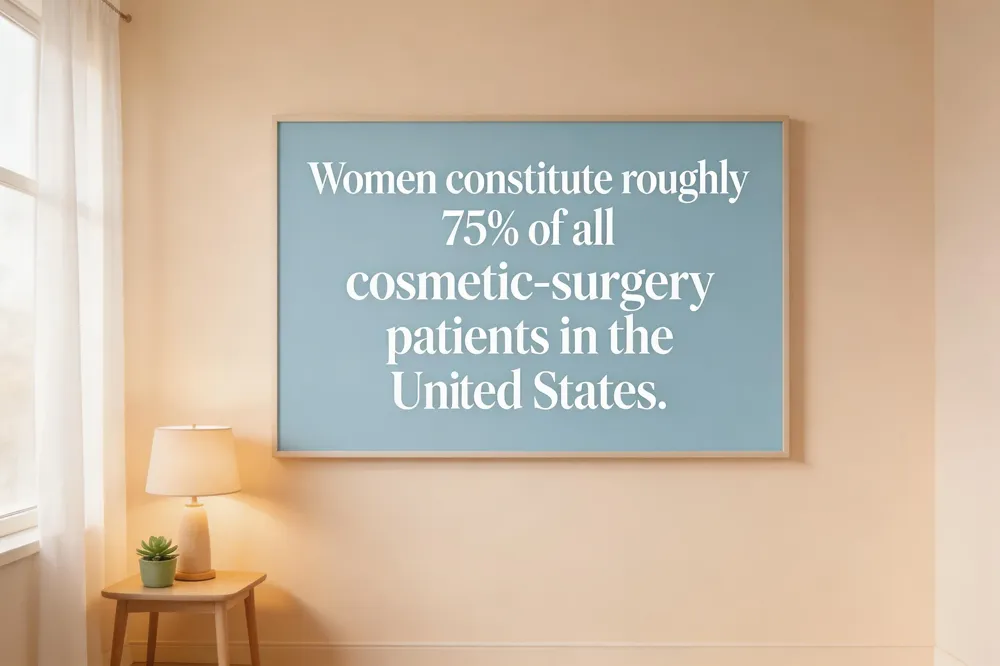 Women dominate the cosmetic‑surgery market in the United States. In rhinoplasty – one of the most common facial procedures – women represent roughly 78 % of all patients, while men account for about 22 % (ASPS, 2024‑2025 data). Across all cosmetic surgeries, the American Society of Plastic Surgeons (ASPS) reports that about 1.6 million surgical cosmetic procedures are performed each year, and the gender split mirrors the rhinoplasty trend, with women comprising the large majority of patients. Non‑surgical aesthetic treatments (e.g., Botox, dermal fillers) are even more heavily skewed toward women, accounting for about 70‑80 % of those procedures. Taken together, these figures indicate that roughly three‑quarters of cosmetic‑surgery patients in the U.S. are women, making them the primary demographic for both surgical and minimally invasive aesthetic interventions.
Plastic surgery trends 2024
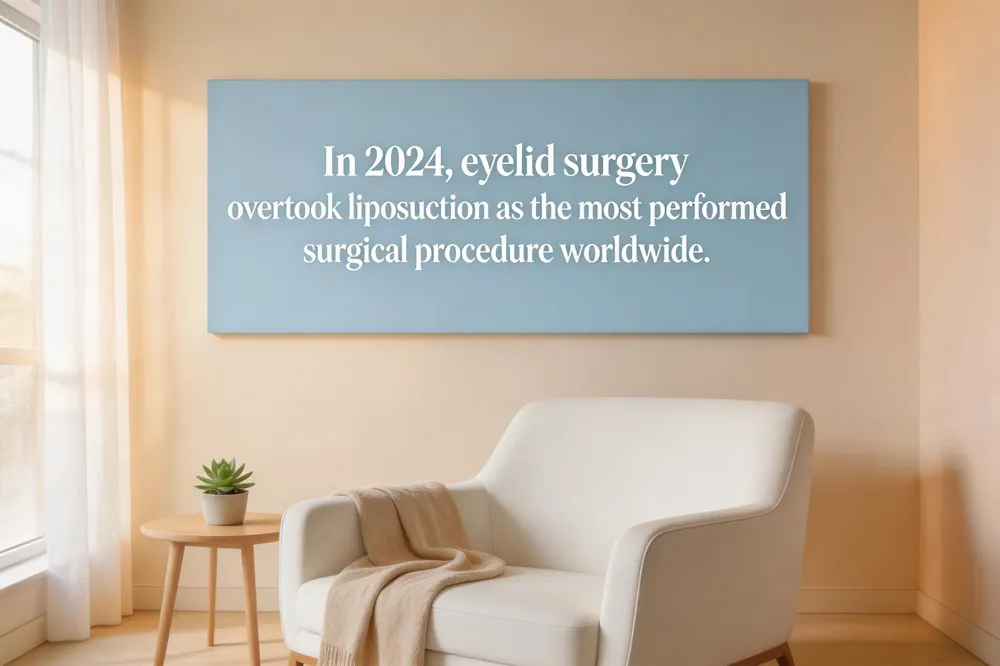 In 2024 eyelid surgery became the most performed surgical procedure worldwide, overtaking liposuction, while facial and head procedures grew by over 4 % and non‑surgical injectables such as botulinum toxin and hyaluronic acid fillers remained the top volume treatments. Minimally invasive body‑contouring, especially laser‑assisted lipolysis and non‑surgical fat reduction, saw a sharp rise as patients seek quicker recovery and lower risk. Advanced 3‑D imaging and virtual simulation were adopted more widely to create personalized surgical plans and improve patient‑surgeon communication. Combined “Mommy‑makeover” and multi‑area procedures that address both aesthetic and functional goals increased, reflecting a growing demand for comprehensive, personalized care. Overall, the United States continued to lead in procedure volume, contributing more than 6 million surgeries, while global growth outpaced the pandemic era by over 40 % since 2020.
How much is spent on plastic surgery each year?
 In the United States, the cosmetic‑surgery market was estimated at roughly USD 18 billion in 2025, covering both surgical and non‑surgical procedures, device sales and related services. North American plastic‑surgery spending alone reached US$13.8 billion in 2024 and is projected to climb to US$25.8 billion by 2033. Globally, the plastic‑surgery market was valued at USD 77.42 billion in 2024 and is expected to exceed USD 217 billion by 2034. The broader cosmetic‑surgery sector, which includes minimally invasive treatments, is forecast to hit USD 92.5 billion worldwide by 2033. These figures illustrate the substantial and growing annual outlay on aesthetic procedures both in the U.S. and around the world.
How many rhinoplasties are done each year?
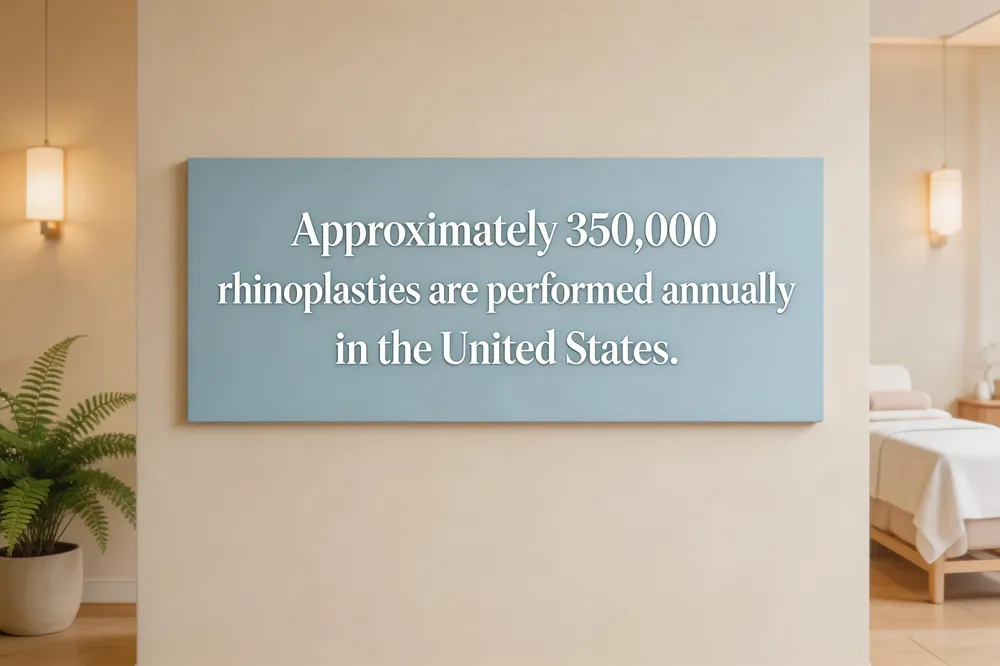 In the United States, rhinoplasty remains one of the most frequently performed cosmetic surgeries. Recent data show roughly 350,000 rhinoplasty procedures are carried out annually, placing it among the top three facial aesthetic operations nationwide. A large network of over 7,000 board‑certified plastic surgeons offers these services, with the median cost for a primary procedure around USD 6,324. Within the market, augmentation rhinoplasty represents about 18.3 % of cases, reflecting the growing demand for subtle, structure‑preserving enhancements. These figures underscore the enduring popularity and broad accessibility of nose‑job surgery across the country.
What is the trend in rhinoplasty in 2025?
 Rhinoplasty in 2025 is moving decisively toward subtle, natural‑looking refinements that preserve each patient’s unique facial harmony. Surgeons favor minimally invasive approaches—closed or microrhinoplasty, ultrasonic piezo osteotomies, and preservation techniques—to reduce scarring, swelling, and downtime. At the same time, functional integration is becoming standard: over 60% of cases now combine aesthetic reshaping with septoplasty or other airway‑enhancing procedures, delivering improved breathing alongside a balanced nose profile. Advanced 3‑D imaging and virtual simulation are used in about 85% of consultations, helping patients visualize the modest, age‑appropriate results that define the 2025 trend.
Key Takeaways for Prospective Nose‑Job Patients
Rhinoplasty demand surges, especially among 40‑54‑year‑olds seeking natural, functional results; safety, cost, insurance, and surgeon expertise matter, while 3‑D imaging and minimal downtime boost satisfaction and improve overall recovery experience.