An Advanced Path to Skin Clarity and Texture Renewal
Photodynamic therapy, or PDT, has emerged as a sophisticated, non-invasive method for addressing complex skin conditions that often resist traditional topical or oral therapies. This process relies on the application of a photosensitizing agent, frequently 5-aminolevulinic acid, which selectively accumulates in damaged or abnormal skin cells. By exposing these sensitized areas to specific light wavelengths, practitioners can induce a controlled photochemical reaction that neutralizes acne-causing bacteria and reduces the activity of overactive sebaceous glands per the PMC study.
Modern aesthetic and surgical practices, such as those at UCSF Health, prioritize advanced technology to ensure precise, high-quality outcomes. While some clinics rely on general light-based tools, a personalized approach differentiates higher-standard treatments. This therapeutic protocol remains a foundational choice for patients who seek to manage recurring inflammation or improve the appearance of atrophic scarring. By stimulating collagen remodeling and providing a secondary benefit of skin rejuvenation, the procedure addresses texture and clarity without the recovery demands of extensive surgical resurfacing as noted in 2024 ScienceDirect research.
- Targets inflammatory and cystic acne refractory to standard medication.
- Reduces hyperpigmentation and improves overall skin tone texture.
- Functions as a field therapy for actinic keratosis and superficial skin cancers.
- Offers a repeatable, outpatient alternative for long-term dermatological maintenance.
Understanding the Science Behind Photodynamic Therapy
 At its core, Photodynamic Therapy (PDT) works as a hybrid treatment that combines a photosensitizing agent, typically 5-aminolevulinic acid (ALA), with a specialized light source like blue light. Once the ALA is applied topically to the skin, it is absorbed by the sebaceous glands and active acne bacteria. When exposed to the light source, the absorbed agent is activated, triggering a chemical reaction that destroys the bacteria responsible for acne while simultaneously shrinking enlarged oil glands. By reducing the overproduction of sebum and eliminating inflammatory bacteria, this dual-action process helps prevent future breakouts, and many patients see noticeable reduction in inflammatory acne after a treatment series.
The Photochemical Advantage
What distinguishes this procedure from traditional laser resurfacing is its method of action. While lasers typically rely on a thermal process to heat and resurface the skin, PDT functions through a photochemical process. By utilizing the photosensitizing agent to selectively accumulate in targeted cells, the therapy can induce phototoxicity without the need for intense heat, minimizing damage to the surrounding healthy skin tissue.
At drmmacdonald.com, we prioritize a personalized approach to these, and other light-based procedures. While some providers use standardized settings, our team at the Aesthetic Surgery Center emphasizes a physical examination to tailor light wavelengths and incubation times to a patient's specific skin needs. This contrasts with more generalized practices that may apply a one-size-fits-all model during the application and soak phases of the treatment, ensuring that patients receive care aligned with their unique skin quality and aesthetic goals.
Addressing Acne Impact and Scarring Regeneration
Acne scarring often develops from abnormal wound healing within the sebaceous follicle during periods of intense inflammation. While traditional treatments focus solely on surface-level imperfections, Photodynamic Therapy (PDT) works by utilizing 5-aminolevulinic acid to target the underlying hyperactivity of sebaceous glands and reduce the bacterial activity that drives these inflammatory cycles.
Efficiency in these treatments is frequently increased by coupling PDT with microdermabrasion. This combination is designed to improve skin permeability and enhance the absorption of the photosensitizing agent, often allowing for a more focused and effective treatment session. A pilot study found that 80 percent of patients showed greater improvement in scarring on the side of the face treated with this combined approach compared to those receiving therapy without the mechanical exfoliation step.
Beyond its immediate effect on active lesions, this therapy is believed to stimulate matrix metalloproteinases, which play a role in collagen remodeling. By encouraging organized tissue repair rather than the irregular healing that results in atrophic scars, PDT provides a pathway for individuals seeking skin renewal. At drmmacdonald.com, we evaluate each patient to determine if this multi-mechanistic approach provides a superior alternative to traditional resurfacing methods, balancing effective results with the personalized care required for optimal recovery.
Does photodynamic therapy help improve the appearance of acne scars?
Photodynamic therapy serves as a beneficial tool for improving the appearance of acne-related skin concerns, primarily by addressing the inflammation and bacterial activity associated with active acne breakouts. While its primary strength lies in managing active acne vulgaris, research suggests it can contribute to a smoother skin texture and a reduction in residual scarring when incorporated into a comprehensive treatment plan. For optimal results, PDT is frequently paired with adjunct procedures such as microdermabrasion or other laser therapies to further refine the skin surface and promote collagen remodeling. This dual-modality approach is particularly effective for patients dealing with both persistent active acne and moderate-to-severe scarring. At drmmacdonald.com, we prioritize personalized care to determine if PDT, potentially combined with other resurfacing techniques, is the most appropriate pathway to help you achieve your aesthetic goals.
The Patient Experience and Safety Protocol
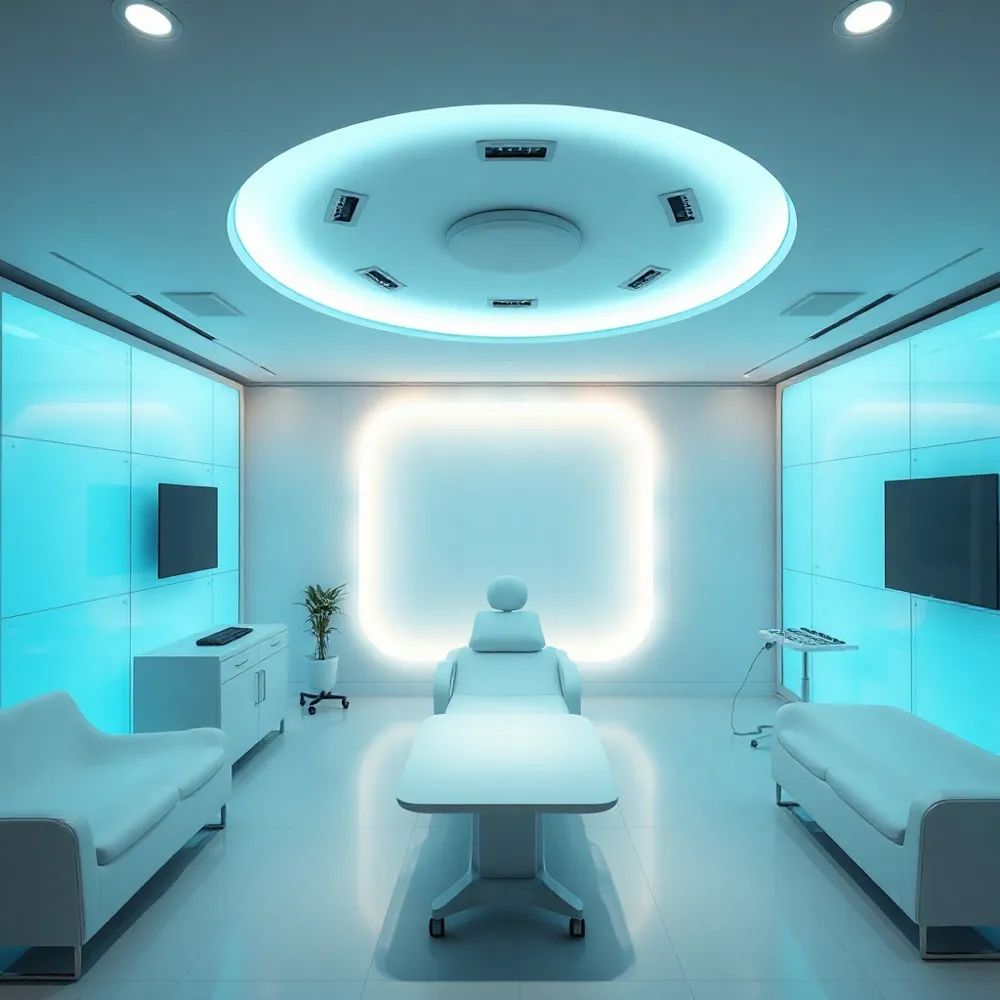 Preparing for Photodynamic Therapy requires a precise, multi-stage clinical approach designed to maximize outcomes while prioritizing patient comfort. The session begins with thorough skin cleansing, often involving professional-grade exfoliation such as microdermabrasion to ensure optimal permeability. Once the skin is prepped, a photosensitizing agent like 5-aminolevulinic acid (ALA) is applied topically. At drmmacdonald.com, we prioritize this foundational step to ensure the agent penetrates effectively into the sebaceous follicles, a process that can take between 60 to 120 minutes depending on individual treatment goals.
During and After Light Activation
The activation phase occurs when your skin is exposed to a specific medical light source, such as blue light, which triggers a photochemical reaction to reduce oil gland activity and target bacteria. While patients of other clinics might be left feeling uneasy, at drmmacdonald.com we emphasize constant monitoring to ensure the light intensity and exposure duration remain perfectly aligned with your skin type. During this process, you may experience a sensation often described as a mild rubber band snapping against the skin or a slight stinging heat. These sensations are indicators of the active response within the target tissue.
- Arrival and professional consultation to confirm your skin health.
- Meticulous surface preparation and uniform application of the photosensitizer.
- A controlled incubation period to allow for optimal absorption.
- Precise light activation tailored to manage your specific inflammatory concerns.
- Post-procedure cooling and final instructions for essential sun avoidance.
Post-Treatment Recovery and Essential Sun Precautions
 The immediate recovery process following Photodynamic Therapy typically begins with a strict 48-hour window of total sun avoidance, as your skin remains highly photosensitive while residual medication settles. In the first day or two, it is common to experience redness, swelling, and a sensation similar to a mild sunburn. By days three to five, patients often notice peeling or flaking as the treated cells are shed and the skin begins to renew itself. Throughout this phase, it is essential to follow your personalized aftercare plan, which includes using gentle cleansers and medical-grade moisturizers to support skin barrier repair.
What is the recovery process like day-by-day after photodynamic therapy?
While visible irritation typically subsides within about a week, you should remain diligent about wearing broad-spectrum sunscreen and physical protective clothing such as hats and sunglasses to ensure optimal healing. At drmmacdonald.com, we emphasize that long-term skin health relies on this commitment to protection, which prevents post-inflammatory hyperpigmentation. The Aesthetic Surgery Center integrates recovery monitoring into every treatment plan, ensuring that concerns like minor swelling or localized crusting are managed with professional guidance.
- Strictly avoid direct sunlight and bright indoor lighting for at least 48 hours to prevent severe phototoxic reactions.
- Expect temporary side effects including redness, itching, and peeling as the skin initiates its regenerative cycle.
- Utilize recommended medical-grade skincare products to maintain the moisture barrier throughout the first week of healing.
- Consult with your provider if you have a history of cold sores, as prophylactic antiviral care may be necessary to prevent flare-ups during the sensitive recovery period.
Recognizing Risks and Managing Side Effects
While Photodynamic Therapy is a refined, non-invasive method for skin renewal, understanding the post-procedural reaction is essential for patient comfort. Most patients encounter predictable, temporary effects such as localized redness, swelling, peeling, or crusting that typically subside within a week. Sensations of stinging or light sensitivity are also common during the initial days of recovery.
What are the potential side effects and risks associated with photodynamic therapy?
Common reactions include sensations of tightness and flakiness as the skin undergoes its natural exfoliation process. While rare, more significant adverse reactions such as bruising, infection, or persistent hyperpigmentation may occur. Patients with a known history of cold sores must disclose this during their consultation at drmmacdonald.com, as we can provide proactive antiviral medication to prevent outbreaks triggered by the treatment. Our team at drmmacdonald.com emphasizes a personalized assessment of your unique skin barrier and history to mitigate these specific risks.
Strategies for minimizing downtime center on strict compliance with post-procedure instructions, most notably the avoidance of direct sun exposure for 48 hours to prevent severe photosensitivity. Consistent communication with your clinical team ensures that any minor discomfort is addressed promptly, positioning your skin for an effective recovery.
Consultation Standards and Investment in Results
Achieving clear skin through Photodynamic Therapy requires a precise medical evaluation rather than generalized assumptions. At drmmacdonald.com, every prospective patient undergoes a thorough clinical assessment to determine candidacy, ensuring that the technology is appropriate for their specific skin type and the nature of their acne or scarring. This avoids the common pitfalls of self-selection, where patients might pursue treatments that are ineffective for their unique conditions.
What is the typical cost associated with photodynamic therapy for acne?
The cost of PDT for acne typically ranges between $100 and $750 per session, depending on the provider, location, and the specific treatment plan required. Because patients often need a series of treatments to achieve optimal, long-lasting results, the total investment can vary significantly based on the severity of the condition. It is important to note that PDT is generally considered an elective aesthetic procedure and is typically not covered by insurance. We recommend scheduling a personalized consultation to receive an accurate quote tailored to your specific skin needs and treatment goals.
Consistency remains vital for success, as most protocols require multiple sessions for lasting improvement. While some clinics offer standardized packages, drmmacdonald.com prioritizes a custom scheduling approach, establishing a timeline that respects the patient's individual healing rate. This measured frequency ensures the skin remains healthy.
Embracing a Personalized Future for Your Skin
The integration of Photodynamic Therapy into modern skincare represents a sophisticated shift toward targeted, non-invasive rejuvenation. By focusing on the underlying cellular drivers of acne and inflammation, this modality offers a versatile solution for those who require more precision than conventional topical prescriptions provide. Unlike generalized over-the-counter options, our approach at drmmacdonald.com prioritizes a bespoke clinical assessment, ensuring that each protocol is tailored to your specific skin needs and healing capacity.
Achieving lasting skin clarity is rarely about a single intervention; it is about sustained, expert management. While many centers offer standardized light therapies, our practice emphasizes the importance of consulting with board-certified professionals who hold the technical rigor necessary to interpret your skin’s unique quality. This commitment to individualized care ensures that your path to renewal is both effective and safety-conscious, mitigating the discomfort often associated with less precise clinical habits elsewhere.
Ultimately, the decision to refine your texture and tone is an investment in your long-term confidence. Whether you are addressing stubborn inflammatory concerns or targeting structural surface damage, modern cosmetic surgery standards allow for controlled, measurable improvements that fit into your lifestyle. We encourage you to reach out for a consultation at drmmacdonald.com to explore how a custom plan can help you maintain healthy, vibrant skin far into the future.