Introduction to Rhinoplasty Costs in 2025
Understanding Rhinoplasty and Its Costs in 2025
Rhinoplasty, commonly known as a nose job, is a surgical procedure designed to improve both the aesthetic appearance and functional aspects of the nose, such as breathing. This procedure addresses concerns like nasal bumps, asymmetry, or breathing difficulties caused by conditions like a deviated septum.
In 2025, the cost of rhinoplasty surgery in the United States typically ranges from $5,000 to upwards of $50,000, reflecting considerable variation based on several factors. Primary rhinoplasty averages around $15,000 to $27,000 at specialized centers, while revision rhinoplasty, which requires more complex correction, can range from $30,000 to $60,000 or higher.
The final expense includes surgeon’s fees, anesthesia, accredited surgical facility charges, and comprehensive postoperative care. Patient-specific elements such as the complexity of the procedure, the surgeon's experience and reputation, and geographic location significantly affect the overall price. Metropolitan areas like Los Angeles, San Francisco, New York, and Washington, D.C., tend to have higher costs due to demand and higher living expenses.
Choosing an experienced, board-certified surgeon is crucial, as expert skill not only influences the success and safety of the procedure but can also mitigate the chance of needing costly revisions. Geographic location and surgeon expertise are paramount considerations contributing to the rhinoplasty cost landscape in 2025.
Average Total Cost of a Nose Job Across the United States

What is the average total cost of a nose job in the USA?
The average rhinoplasty cost $7,637 in the United States in 2025 is approximately $7,637, according to the American Society of Plastic Surgeons. This typical pricing usually includes the rhinoplasty surgeon's fee, anesthesia fees for rhinoplasty, hospital or surgical facility costs, and postoperative care, which together form the comprehensive rhinoplasty pricing patients invest in for their procedure.
What expenses are included and how do they affect the total cost?
Included in the overall price are key components like surgeon fees for rhinoplasty, anesthesia fees for rhinoplasty, and facility fees for rhinoplasty—covering the accredited operating room and required medical personnel. Postoperative care, which includes follow-up visits and medications, is also part of the rhinoplasty follow-up care costs. However, additional costs may emerge from medical tests related to rhinoplasty, post-surgery garments for rhinoplasty, and any rhinoplasty prescription costs.
What factors influence rhinoplasty costs in the US?
The final rhinoplasty cost varies significantly due to several factors:
- Surgeon experience and expertise: Highly skilled and board-certified surgeons typically charge more, reflecting their expertise and track record of successful outcomes.
- Procedure complexity: Primary rhinoplasty tends to cost less than revision surgeries, which involve correcting previous results and require advanced techniques.
- Geographic location: Metropolitan areas like Los Angeles, San Francisco, New York, and Washington D.C. generally have higher costs, ranging up to $20,000 or more for complex cases.
Patients are advised to seek thorough consultations to understand individual cost implications based on their goals, anatomy, and the surgeon's approach.
| Cost Component | Typical Range (USD) | Details |
|---|---|---|
| Surgeon Fee | $3,000 - $16,500 | Depends on surgeon expertise and demand |
| Anesthesia Fee | $1,500 - $2,500 | Varies by anesthesia type and duration |
| Facility Fee | $1,000 - $4,000 | Accreditation and surgical center costs |
| Postoperative Care | Included in package | Follow-up visits, medications, testing |
This breakdown highlights the multifaceted nature of rhinoplasty pricing, ensuring patients understand the full scope of costs involved.
How Much Should You Save for Your Nose Job? Planning Your Budget

Typical Cost Range for Primary Rhinoplasty
The cost of primary rhinoplasty in the U.S. typically ranges from $3,000 to $15,000, with averages often between $7,000 and $12,000 depending on the surgeon's expertise, procedure complexity, and geographic location. High-end practices, especially in major cities, may charge $15,000 or more due to advanced techniques and comprehensive care. See more details about the Rhinoplasty cost range $3,000 to $15,000 and Rhinoplasty cost in the United States.
Additional Expenses Beyond Surgery Fees
Beyond the surgical fees, patients should anticipate additional costs such as consultation charges, anesthesia, facility fees, preoperative medical tests, post-op supplies, and follow-up visits. Some surgeons charge consultation fees ranging from $250 to $500, which are usually separate from surgery expenses. Recovery needs like medications, nasal dressings, and garments can also add to the budget. These Rhinoplasty cost components and Factors influencing rhinoplasty cost offer in-depth information.
Importance of Choosing Experienced, Board-Certified Surgeons
Selecting a board-certified and highly experienced facial plastic surgeon is crucial for safety and achieving natural, balanced results. Their expertise often correlates with higher fees but reduces the risk of revision procedures which can be more expensive. Prioritize quality and surgical skill over cost to ensure the best aesthetic and functional outcome. Read more about Importance of Surgeon Experience and Expertise of Rhinoplasty Surgeons.
Financing Options and How to Plan Financially
Many practices offer financing plans such as CareCredit and Alphaeon Credit, making rhinoplasty more accessible by spreading payments over time. It is advisable to obtain a detailed cost estimate during consultation and consider these financial options early to plan your budget effectively. Remember to include extra funds for unforeseen expenses and travel if necessary. Learn about Rhinoplasty financing plans and CareCredit financing for rhinoplasty.
| Cost Factor | Typical Range | Notes |
|---|---|---|
| Primary Rhinoplasty | $3,000 to $15,000+ | Varies by location and surgeon experience; see Primary rhinoplasty price |
| Consultation Fee | $250 to $500 | Separate from surgery fees; Consultation fees for rhinoplasty |
| Anesthesia and Facility | $1,000 to $3,500 | Depends on surgery length and facility quality; Anesthesia fees for rhinoplasty |
| Post-Operative Supplies | $200 to $600 | Medications, dressings, nasal splints; Post-surgery garments for rhinoplasty |
| Financing Options | Varies | CareCredit and others to manage payments; Financing options for rhinoplasty |
Revision Rhinoplasty: Why It Costs More and What to Expect
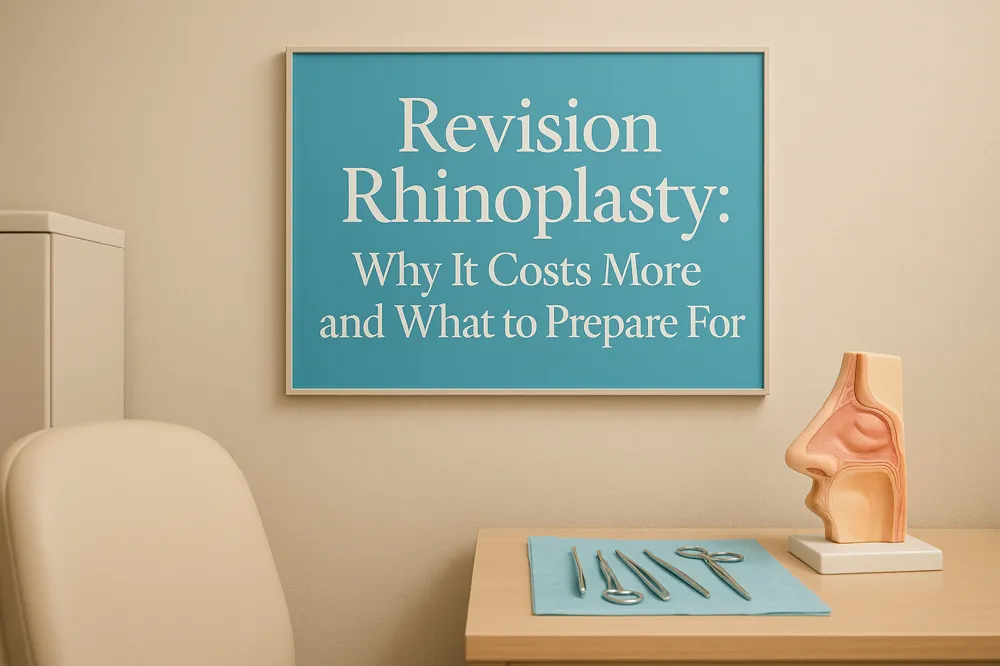
What is Revision Rhinoplasty and Why is it More Complex?
Revision rhinoplasty refers to a secondary surgery performed to correct or improve the results of a previous rhinoplasty. This procedure is inherently more complex due to factors like existing scar tissue, altered nasal anatomy, and sometimes compromised cartilage or bone structures. These challenges require advanced surgical skills and often additional techniques such as cartilage grafting to restore both form and function (Revision Rhinoplasty Cost, Revision rhinoplasty complexity, Revision rhinoplasty complexity, Revision rhinoplasty complexity.
How Much Does a Revision Rhinoplasty Cost?
The cost of revision rhinoplasty typically ranges from $15,000 to $35,000 or higher, depending on the extent of correction required and the surgeon's expertise. At specialized centers like The Naderi Center, revision surgeries can cost upwards of $35,000 to $50,000 due to their increased complexity. These prices often include the surgeon’s fee, anesthesia, facility charges, and comprehensive postoperative care, but consultation fees and travel expenses are generally separate (Revision Rhinoplasty Cost, Revision rhinoplasty cost).
Why is Surgeon Expertise Crucial?
Given the complexity and delicate nature of revision rhinoplasty, selecting a highly experienced, board-certified surgeon is vital. Expertise in managing scar tissue and customizing techniques to each patient's unique anatomy significantly influences the surgical outcome and patient satisfaction. Surgeons with specializations in facial plastic surgery and ethnic rhinoplasty are better equipped to deliver natural and balanced results (Expertise of Rhinoplasty Surgeons, Choosing a Double Board-Certified Surgeon, Experienced rhinoplasty surgeons).
Personalized Consultation and Pricing
Because revision rhinoplasty cases vary widely, patients are encouraged to schedule a consultation where the surgeon evaluates their specific needs, discusses realistic expectations, and provides an individualized cost estimate. This consultation is essential for understanding the scope of surgery and any underlying functional improvements that may also be addressed (Consultation for Rhinoplasty Pricing, Personalized Preoperative Planning).
| Aspect | Details | Notes |
|---|---|---|
| Procedure Complexity | High - scar tissue, altered anatomy | Requires advanced skills (Factors Affecting Rhinoplasty Cost) |
| Cost Range | $15,000 - $50,000+ | Varies with case complexity (Revision Rhinoplasty Cost Estimates |
| Surgeon Expertise | Essential - board-certified, experienced | Impacts outcomes (Importance of Surgeon Experience |
| Included in Price | Surgeon fee, anesthesia, facility, postop care | Consultation often separate (What Does Rhinoplasty Cost Include? |
| Patient Evaluation | Personalized consultation recommended | Critical for accurate estimate (Consultation for Rhinoplasty Pricing |
Insurance and Rhinoplasty: What Is Covered and When?
Is rhinoplasty covered by insurance?
Insurance coverage for rhinoplasty primarily depends on the surgery's intent. When the procedure addresses functional issues, such as correcting a deviated septum, resolving breathing difficulties, or repairing trauma-related defects, it is often deemed medically necessary and thus eligible for insurance coverage. This type of functional rhinoplasty aims not only to enhance nasal function but also to improve the patient's overall quality of life.
Medical necessity criteria for insurance coverage
To qualify for insurance reimbursement, patients must typically undergo thorough medical evaluations and provide documentation substantiating the medical need for the surgery. This can include diagnostic tests, physician assessments, and reports that detail breathing impairments or structural abnormalities. Insurers generally require preauthorization before approving coverage. See more about authorization for reconstructive rhinoplasty.
Functional rhinoplasty versus cosmetic procedures
Functional rhinoplasty involves surgeries that improve nasal function and airway obstruction. In contrast, cosmetic rhinoplasty focuses on aesthetic changes to the nose's shape and size, which are usually elective and excluded from insurance benefits. Even when functional improvement is combined with cosmetic enhancement, insurance commonly covers only the medically necessary portions.
Documentation and preauthorization requirements
Obtaining approval from insurance providers demands comprehensive documentation, including medical history, clinical notes, imaging studies, and sometimes trial treatments. Surgeons and patients must collaborate closely with insurers to fulfill these criteria, often involving a detailed preauthorization for rhinoplasty coverage.
Typical costs covered under insurance and what remains out of pocket
Insurance can cover costs related to surgeon fees for rhinoplasty, anesthesia fees for rhinoplasty, hospital or surgical facility fees, and post-operative care when surgery is medically necessary. However, cosmetic parts of the surgery, consultation fees, travel expenses, and any enhancement-related procedures generally remain the patient's financial responsibility. On average, medically indicated rhinoplasty procedures can cost approximately $7,450 or more, varying based on complexity and geographic location. Learn more about factors influencing rhinoplasty cost and National Average Rhinoplasty Cost 2025.
This distinction ensures that patients receive needed functional repair while understanding which aspects of their surgery are elective and self-funded.
Regional Cost Variations and Their Impact on Rhinoplasty Prices
How does cost differ across major metropolitan areas?
Rhinoplasty prices vary widely by region in the United States. For example, in San Francisco, costs typically range from $15,000 to $50,000, reflecting both the procedure’s complexity and local demand. Similarly, in Los Angeles, patients can expect to pay between $8,000 and $18,000, with Beverly Hills commanding the higher end of this spectrum due to its concentrated market of high-profile specialists. New York and Washington D.C. also see ranges from $18,000 to $40,000, influenced by the high cost of living and medical services in these areas.
What influences local market demand and surgeon specialization?
Regions with a denser population and more competitive aesthetic markets often see increased prices. Highly specialized surgeons with artistic reputations and board certifications in these premium markets typically charge more. The emphasis on minimally invasive and advanced techniques in areas like San Francisco and Beverly Hills contributes to the higher fees, with patients valuing personalized care and natural results.
Examples of pricing ranges in premium markets
| Location | Primary Rhinoplasty Range | Revision Rhinoplasty Range | Notes |
|---|---|---|---|
| San Francisco | $15,000 – $50,000 | Up to $60,000+ | Includes advanced imaging, preservation methods |
| Los Angeles | $8,000 – $18,000 | $12,000 – $50,000+ | Higher in Beverly Hills due to specialist expertise |
| New York / D.C. | $18,000 – $40,000 | $30,000 – $60,000+ | Reflects high facility and surgeon fees |
How does geographic location affect facility and anesthesia costs?
Facility fees and anesthesia costs tend to be higher in metropolitan areas due to the overall higher operating costs of accredited surgical centers and anesthesiologists’ fees. Coastal cities like San Francisco and Los Angeles often have elevated expenses to match local economic conditions, directly impacting the total price patients pay. These factors are bundled with surgeon fees and postoperative care costs but can add significantly to the bill compared to less urban or rural locations.
Overall, geographic location plays a crucial role in rhinoplasty pricing. Patients in metropolitan and premium markets should be prepared for higher expenses but can also expect access to surgeons with advanced skills and superior facilities, contributing to better outcomes and patient satisfaction.
Non-Surgical Rhinoplasty and Additional Cost Considerations
What Are the Costs and Limitations of Non-Surgical Rhinoplasty?
Non-surgical rhinoplasty, often called liquid rhinoplasty pricing factors, typically costs between $600 and $2,500, with some cases reaching up to $5,500. This procedure uses dermal fillers to make temporary aesthetic enhancements to the nose. While it offers a lower-cost and less invasive alternative to surgery, the results are temporary and limited compared to surgical rhinoplasty. It cannot address functional issues such as breathing difficulties or significant structural changes.
What Additional Costs Should Patients Expect Beyond Surgery?
Beyond the surgical fees, several additional costs are involved in the rhinoplasty process, including:
- Consultation fees, usually ranging from $250 to $500
- Pre-operative medical tests like physical exams, ECGs, and blood work
- Prescription medications for pain management and infection prevention
- Post-operative garments, dressings, and nasal care supplies
These costs ensure comprehensive care but can increase the overall financial investment as detailed in Rhinoplasty cost components and Additional rhinoplasty costs.
How Does Surgeon Expertise and Surgical Facility Impact Cost?
Choosing a highly experienced, board-certified surgeon adds to the overall cost but significantly enhances safety and aesthetic outcomes, as explained in Choosing a Double Board-Certified Surgeon and Importance of Surgeon Experience. Similarly, the selection of an accredited surgical facility with qualified anesthesiologists may raise fees but ensures quality care, covered under Facility Fees for Rhinoplasty and AAAASF-Certified Surgical Suites. These factors influence not only the financial expense but also the satisfaction and longevity of results.
What Are the Typical Recovery Timelines and Their Impact on Indirect Costs?
Recovery usually lasts about one to two weeks, involving swelling, bruising, and nasal splints. Patients commonly take about one week off work, with full results refining over several months. These recovery periods may result in indirect costs related to time off work and potential travel for follow-up appointments, which patients should consider in their budgeting, as discussed in Rhinoplasty recovery timeline and Rhinoplasty Recovery Process.
Conclusion: Making an Informed Decision on Rhinoplasty Costs
Understanding the Costs of Rhinoplasty
Rhinoplasty costs vary widely, typically ranging from $5,000 to over $50,000 depending on factors like the procedure type—primary or revision—surgeon expertise, geographic location, and surgical complexity. Additional fees include anesthesia, facility charges, medical tests, and post-operative care.
Choosing the Right Surgeon
Selecting an experienced, board-certified surgeon is crucial for successful outcomes. Highly skilled surgeons often charge more, but their expertise reduces the risk of complications and the need for revision surgeries, ultimately benefiting patient satisfaction.
Insurance and Financing Options
While cosmetic rhinoplasty is usually not covered by insurance, functional procedures addressing breathing issues might qualify. Financing plans such as CareCredit® offer flexible payment solutions, helping patients manage costs effectively.
Planning for Long-Term Satisfaction
Patients should thoroughly research costs, surgeon qualifications, and recovery expectations. Carefully planning and investing in quality care ensures durable, natural results and improved confidence, making the rhinoplasty journey worthwhile.